Then King David went in and sat [in prayer] before the LORD, and said, “Who am I, O Lord GOD, and what is my house (family), that You have brought me this far? (2 Samuel 7:18 Amplified Version of The Holy Bible)
What an incredible year it has been for me and my family! The lows, the highs; the pain, the joy; the love, the heartbreak; the loss, the gains; and all that is in-between plus more. Yet, I remain ever grateful to God for how far He has brought me. Yes, it is He who has brought me this far and not just my own doing. I’ve come to see myself as a vessel in the Lord’s hand, an ingredient He uses in His great recipe of life, a cog in the wheel He sets in motion to accomplish His great many plans. Oh what great delight it is to know that He has use of the skills and talents He gave me in the first place. Oh what peace I have even amidst the painful loss and fractures I experience in life. Oh what great grace abound toward me even when I err through sins of commission and sins of omission. Oh what love the Lord showers on me and what strength He gives me to live through the good, the bad and the ugly consequences of my own choices and the circumstances I can’t control. The year 2024 has been incredible in many ways. Were the oceans ink and all trees of the earth of paper made, it will not be enough to write out all the things I am grateful for. Thus I will stick to just the highlights of a December to Remember.
In early December we had The Calabash Onder the Bigi Bon which was a wonderful commemorative celebrations of the wrap-up of my I have a VENI! 3 year research project funded! The activities included me leading a revamped Wageningen guided walking tour, a Djembe drumming workshop, a multicultural buffet dinner and the premiere screening of the film documentary I made about the research project – The Embodied Absence of the Past: tourism’s intersection with slavery and colonial heritage memories in the Ghana-Suriname-Netherlands triangle. All these activities took place at the Visum Mundi (the old Aula building of Wageningen University & Research). I look back with fond memories of an exciting day (a short video summary and impression of the day will be released soon). I remain grateful to the many family, friends, colleagues and collaborators who travelled far and wide to be part of the day. One of the key highlight of the entire programme for me was the unveiling of a plaque by the stained-glass window of the the old Aula building of Wageningen University & Research.

This plaque, unveiled by the Mayor of Wageningen (Floor Vermeulen) and President of the Executive Board of Wageningen University & Research (Sjouke Heimovaara), calls attention to the colonial roots of the university (in Dutch) and has a QR code that can be used to access the English version and further information. Arriving to this moment of having such a plaque has taken the work of many people inside and outside Wageningen University and the city of Wageningen itself whose work and activism made for a fertile ground. I’m glad that through my research we could mark a further step towards coming to terms with our entangled colonial past. Having this plaque is a tangible outcome of the ongoing work of so many people.
Mid-December also saw me head to Ghana, Land of my Birth where I had an intense but amazing 2 weeks. I got to premiere the research documentary to the wonderful tour guides at Elmina Castle. This screening was also attended by the manager of the Elmina Java Museum. This was followed up the next day with a screening of the documentary on the campus of the nearby University of Cape Coast.
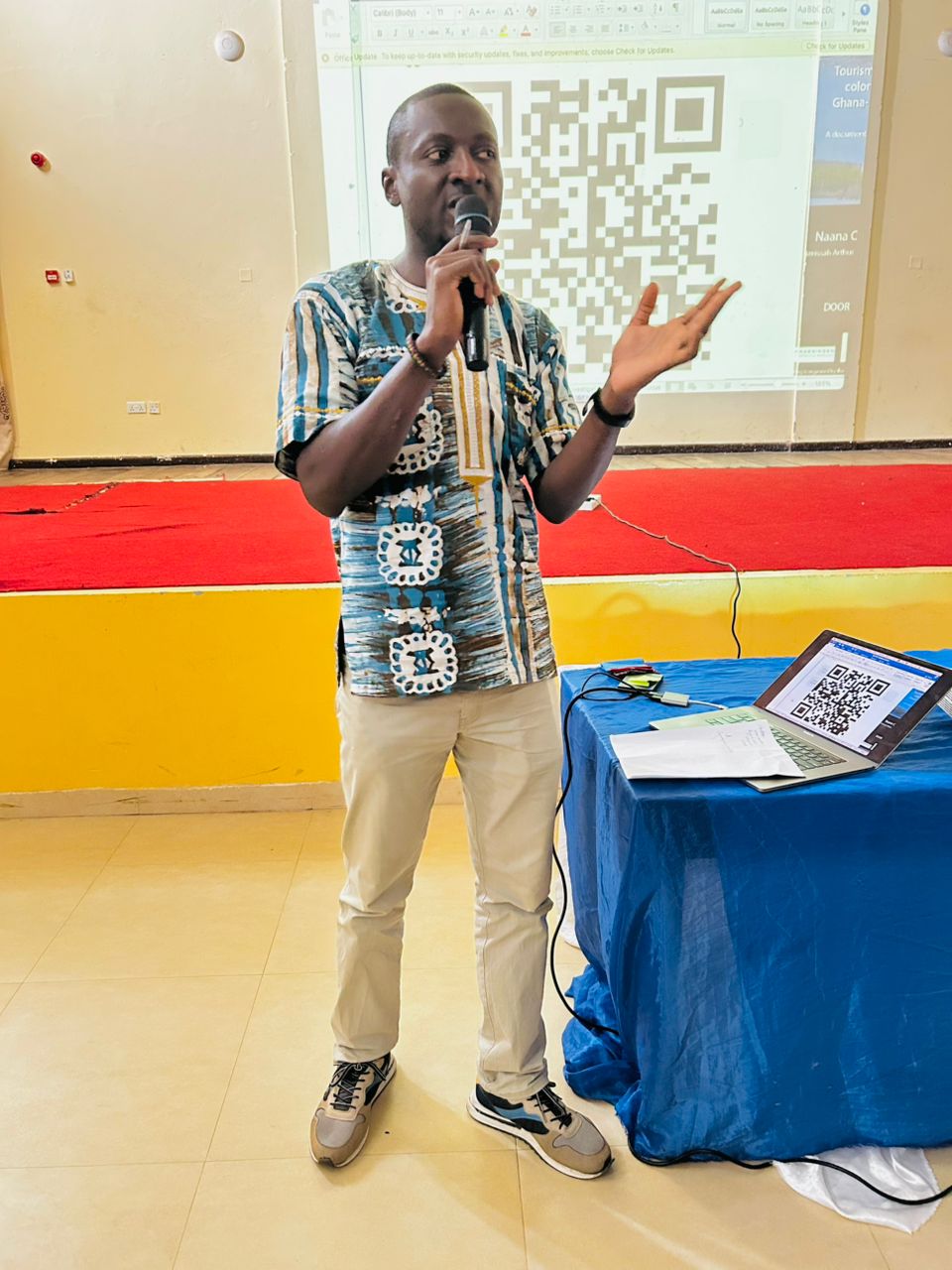
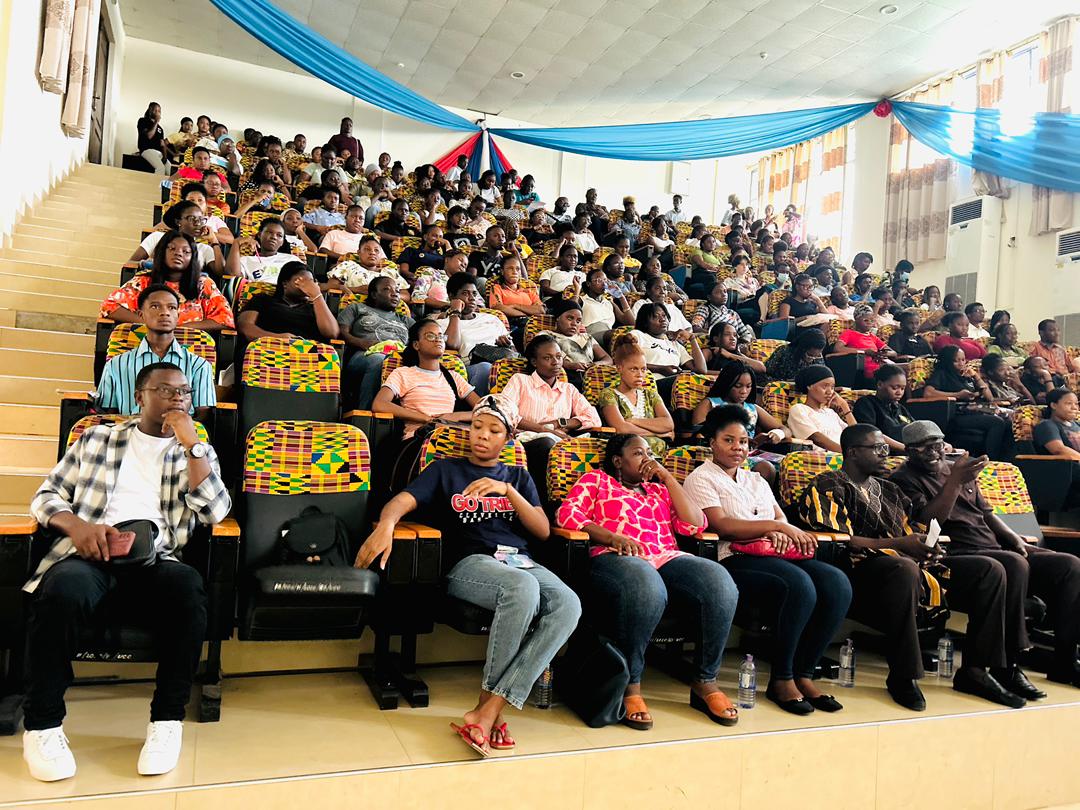
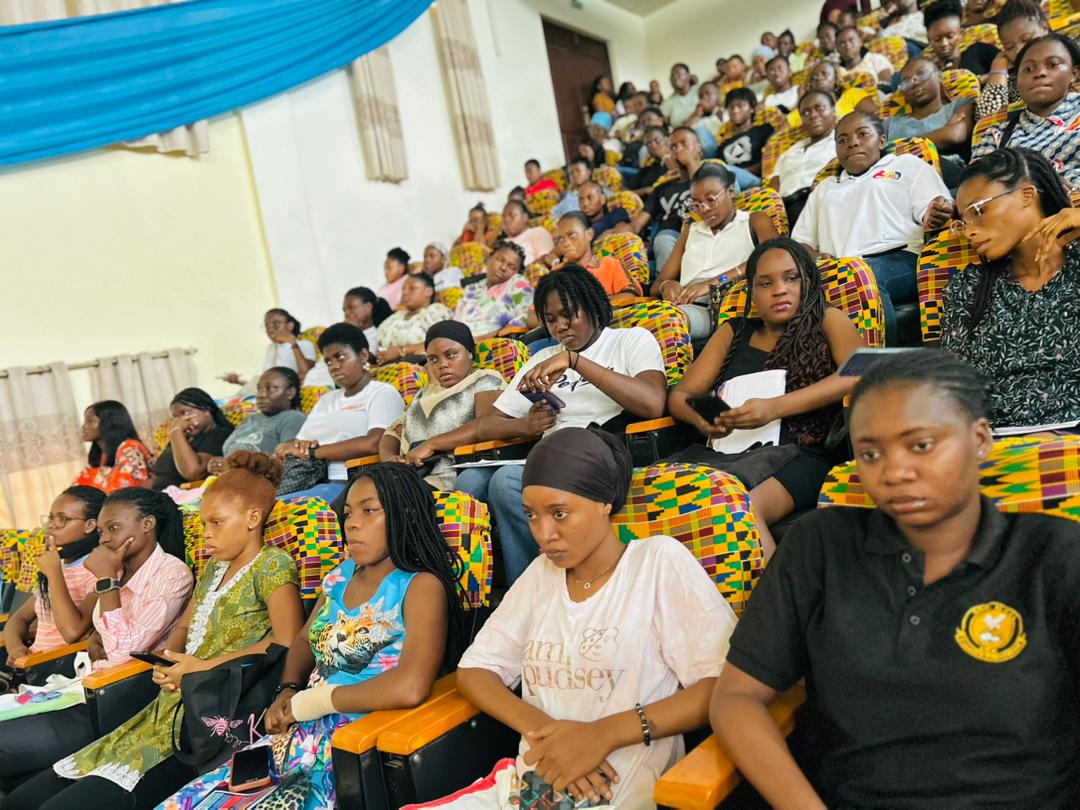

Hosted by the Department of Hospitality and Tourism Management , the screening took placed in a completely filled up space of the Prof. Naana Jane Opoku-Agyemang Auditorium. In the audience were hospitality and tourism management students, students from the film studies department, staff from across the university, the manager of the Anomabo Tourist Information Center and the Central Regional Director of the Ghana Tourism Authority among many others. The screening was followed by an engaging Q&A discussion that gave me more questions to ponder over.
For the first time since 2016, I got to experience a bit of the Ghanaian Christmas season of Afehyia Pa greetings. Spending Christmas in my not-so-little-anymore town of Dunkwa-On-Offin had a different flavour given the absence presence of my late mum. Yet it was delightful to spend time with my Dad, some of my siblings and a host of nephews and nieces. I also got to see and spend time with some of my friends. The time flew by too quickly and I couldn’t see all of my regulars but I made enough wonderful memories to last me a while.

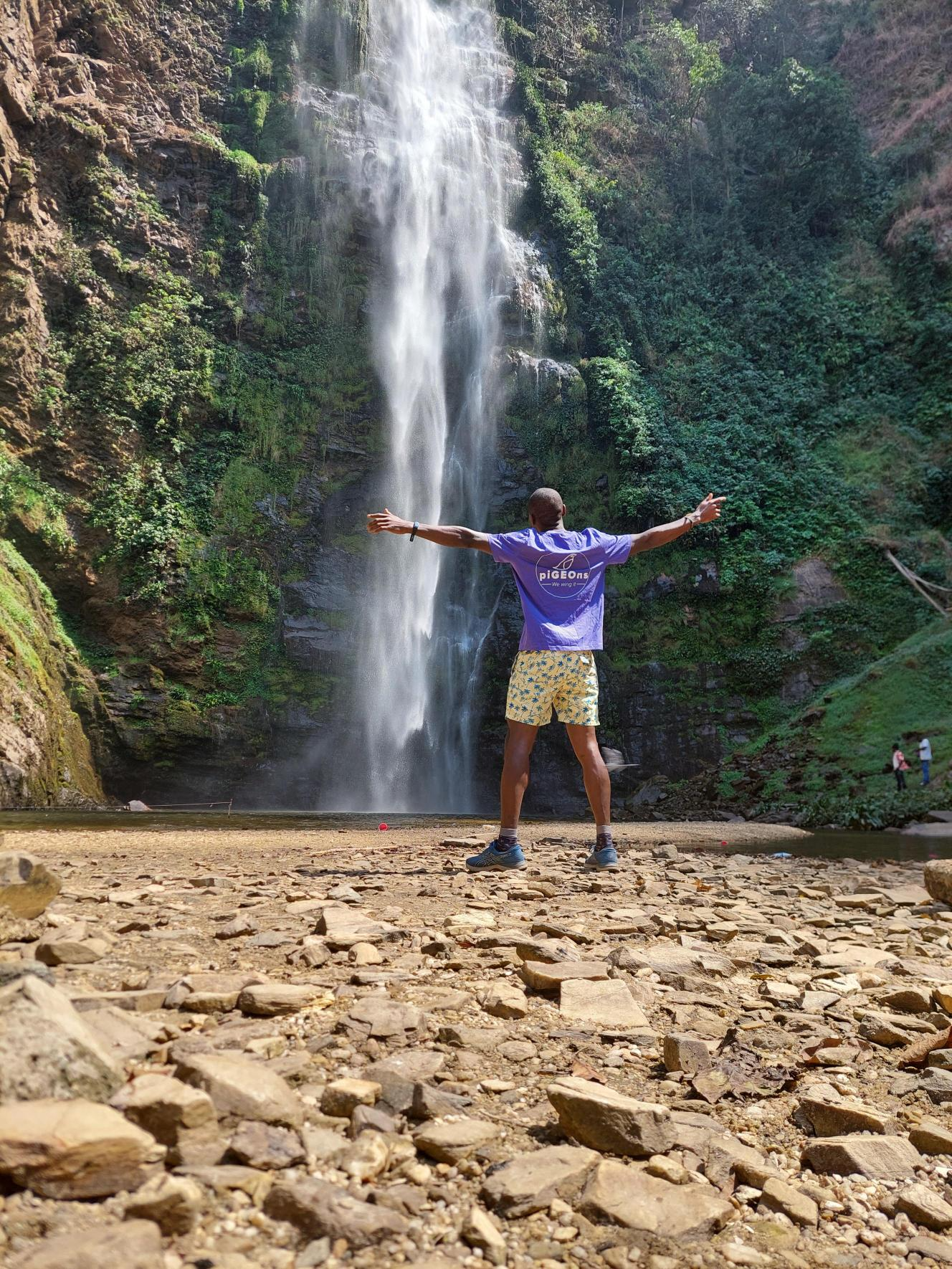
Not to forget that I got the chance to hike up Ghana’s highest free standing mountain – Mt. Afadjato ( 885m) – and also visit Wli Waterfalls which happens to be West African’s tallest waterfall. Of course, I did go for a swim in the very icy cold stream and went all the way to the rock face to feel the full force of the about 500m tumbling waterfalls.
For good or better, I even managed to get back from Ghana to the Netherlands before the end of the year. In the process, I swapped the daily minimum of 30°C in GH for the paltry daily maximum of 8°C in NL – but that’s a story for another day. As we say in Ghana at this time of the year – “Afeyhia Paa ooo: Afe nko beto yen”
 Emmanuel Akwasi Adu-Ampong
Pingback: Associate Professor: storytelling and the tourism geographies of slavery and colonial heritage | Emmanuel Akwasi Adu-Ampong
Pingback: FRICTIONS starts today!: lift-off time for my ERC Starting Grant project (Frictions of space: the generative tensions of slavery and colonial heritage tourism) | Emmanuel Akwasi Adu-Ampong
Pingback: Namib Notes IV: When the field becomes personal and the personal becomes the field | Emmanuel Akwasi Adu-Ampong
Pingback: The (mini) Calabash 2025: Documentary Screenings for Keti Koti Month | Emmanuel Akwasi Adu-Ampong
Pingback: “I came, but can I see?”: The NWO Vidi grant application journey (#NWOVidi2025diaries) | Emmanuel Akwasi Adu-Ampong