This past weekend, I have been on a scoping research visit to Berlin exploring the transformative memory work of tourism in relation to slavery and colonial heritage. It was exciting for me heading to Berlin after 12 years. My first visit to Berlin was in 2012 as part of a study trip during my Erasmus Mundus MAPP programme at the International Institute of Social Studies, of the Erasmus University of Rotterdam in the Netherlands. We were visiting knowledge institutions related to governance, public policy and public administration. I even added a few extra days to the study trip to be sightsee a bit with my dear Marre. Of course back then I stayed within the standard tourist circuit and did not venture beyond the well beaten path. My visit this time was rather different….
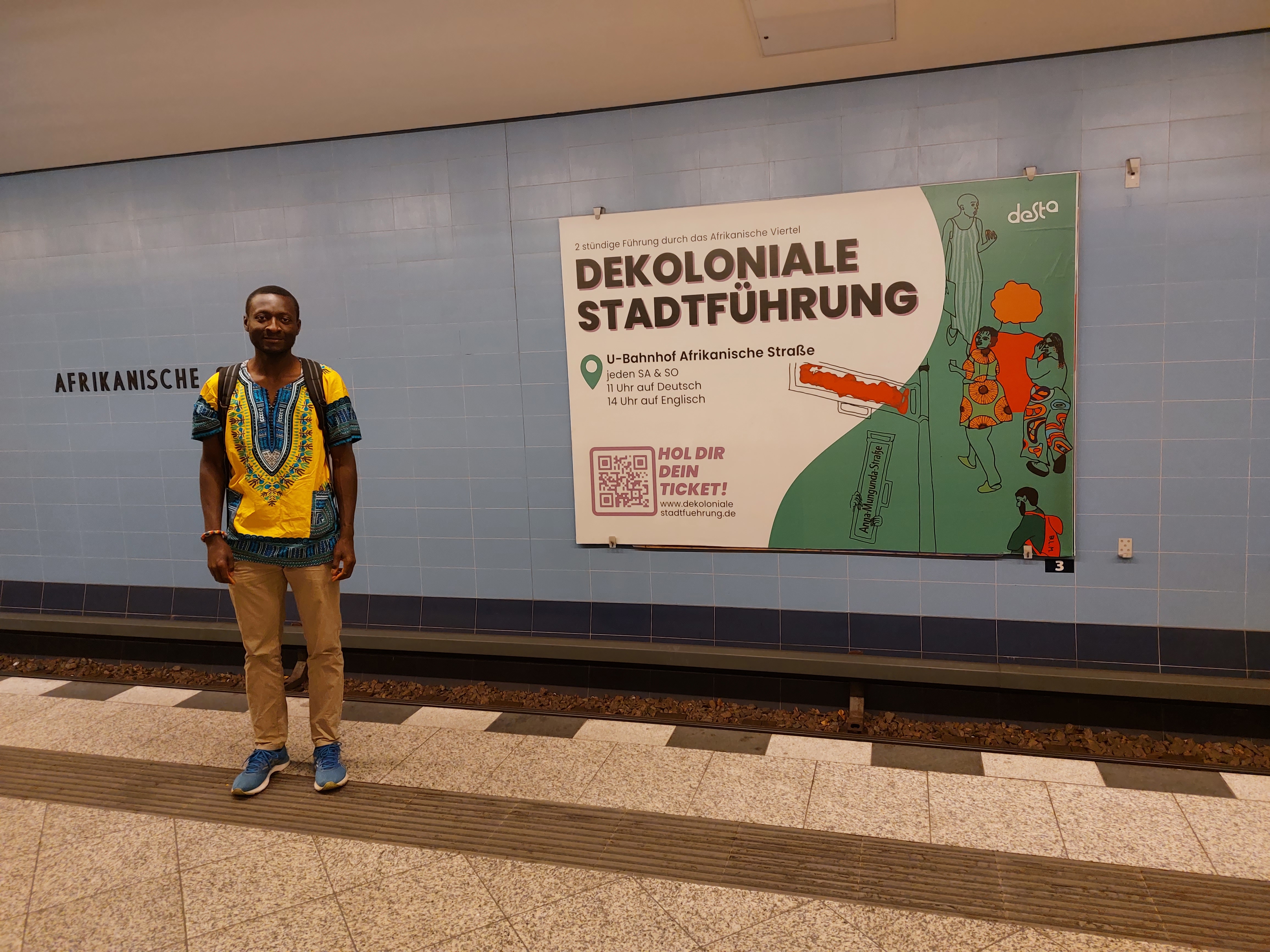
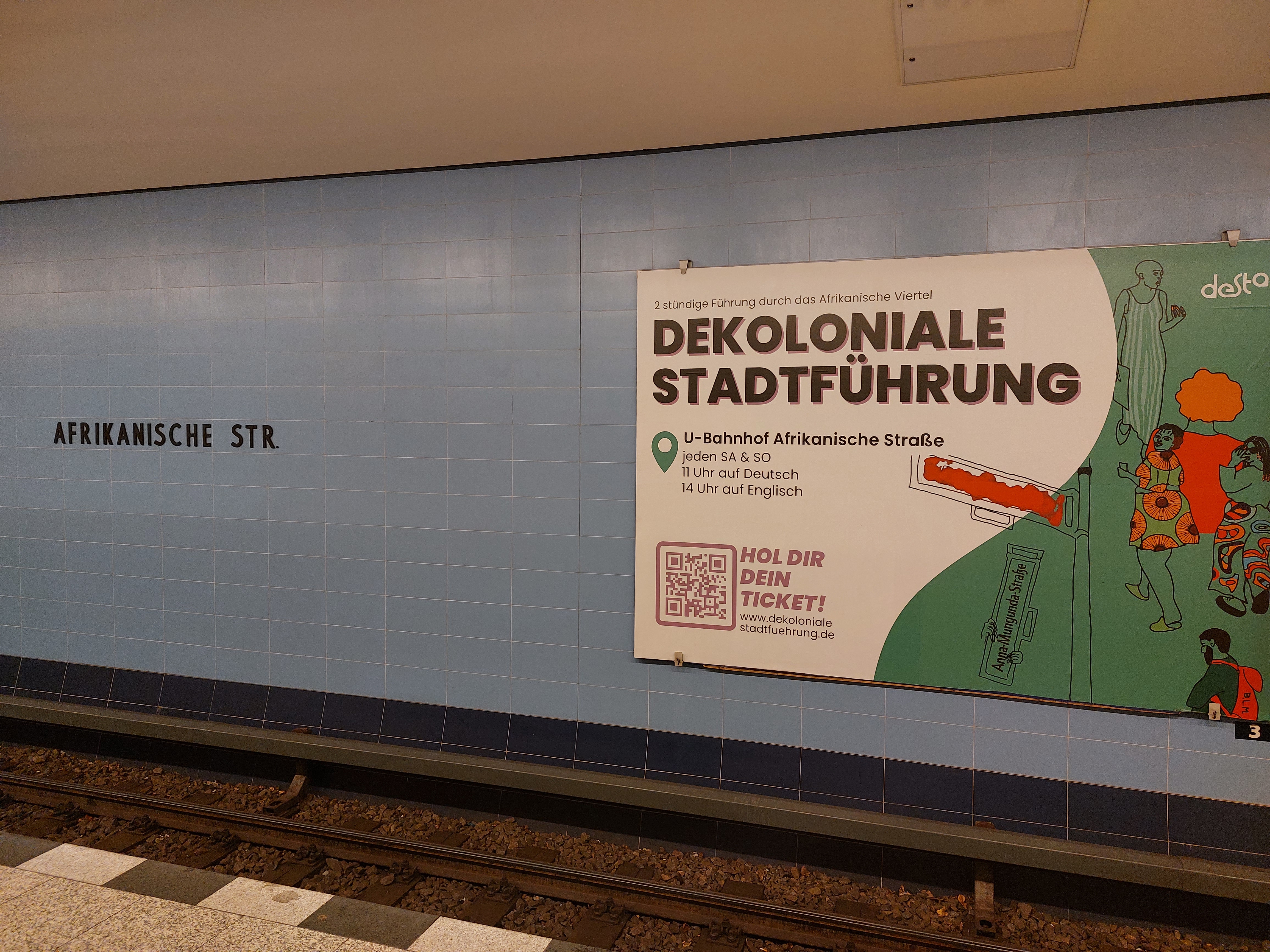
As part of a wave of ongoing decolonisation process across many European countries and their major cities, the Dekoloniale Stadtführung (Decolonial Tour) Berlin emerged about 2 years ago. With the motto “Walk the past, Change the future”, this Historical Tour of the African Quarters in Berlin’s Wedding (Mitte) area, aims to give insight into the often forgotten German colonial history. It is a 2-hour walking tour that takes place on Saturdays and Sundays with German tours at 11.00 and English tours at 14.00. For my scoping research, I signed up for the English tour on Saturday and the German + English tour on Sunday. In the end, I went on only the 2 English tours available this weekend as the German tour on Sunday morning was cancelled.
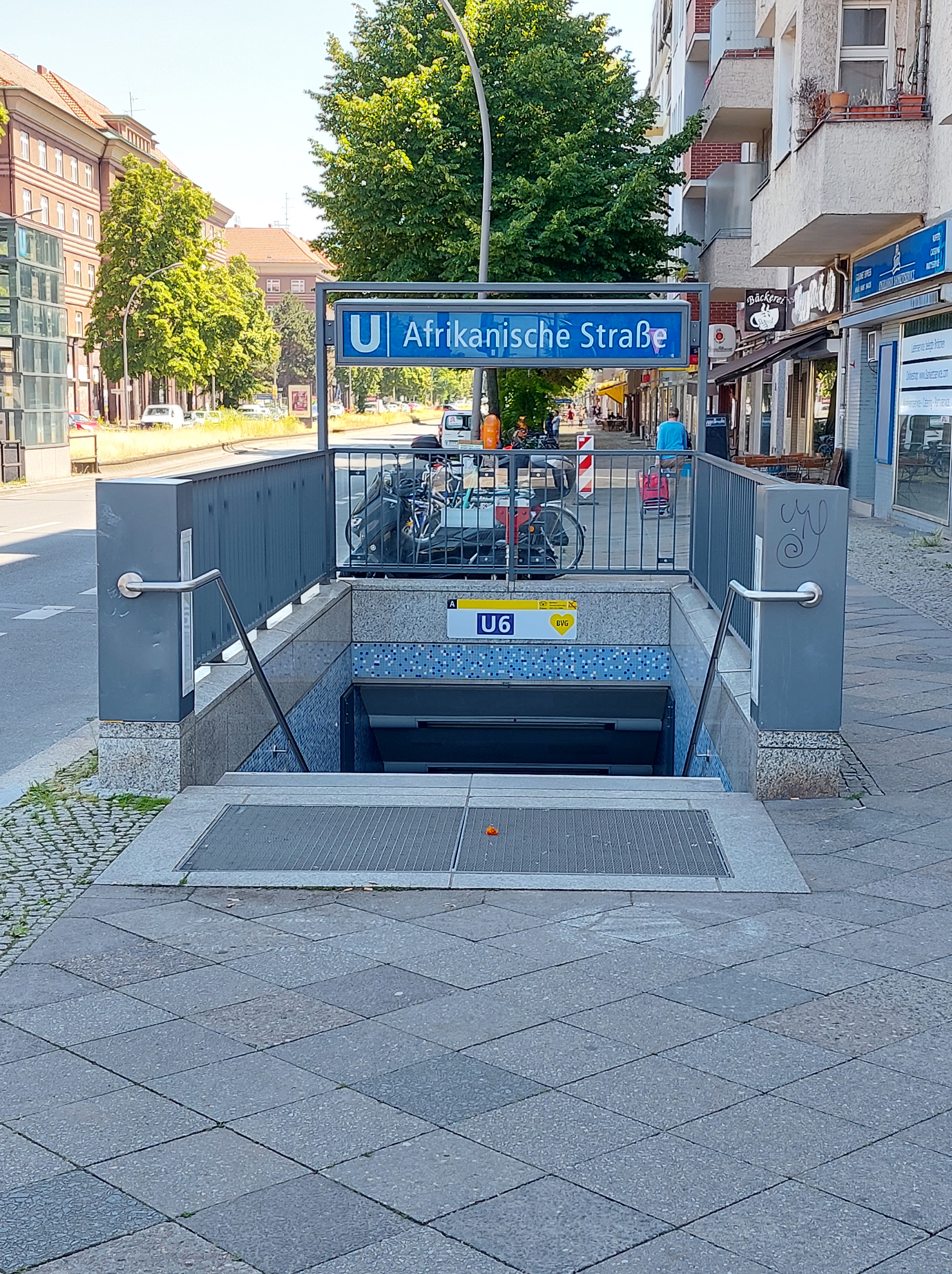
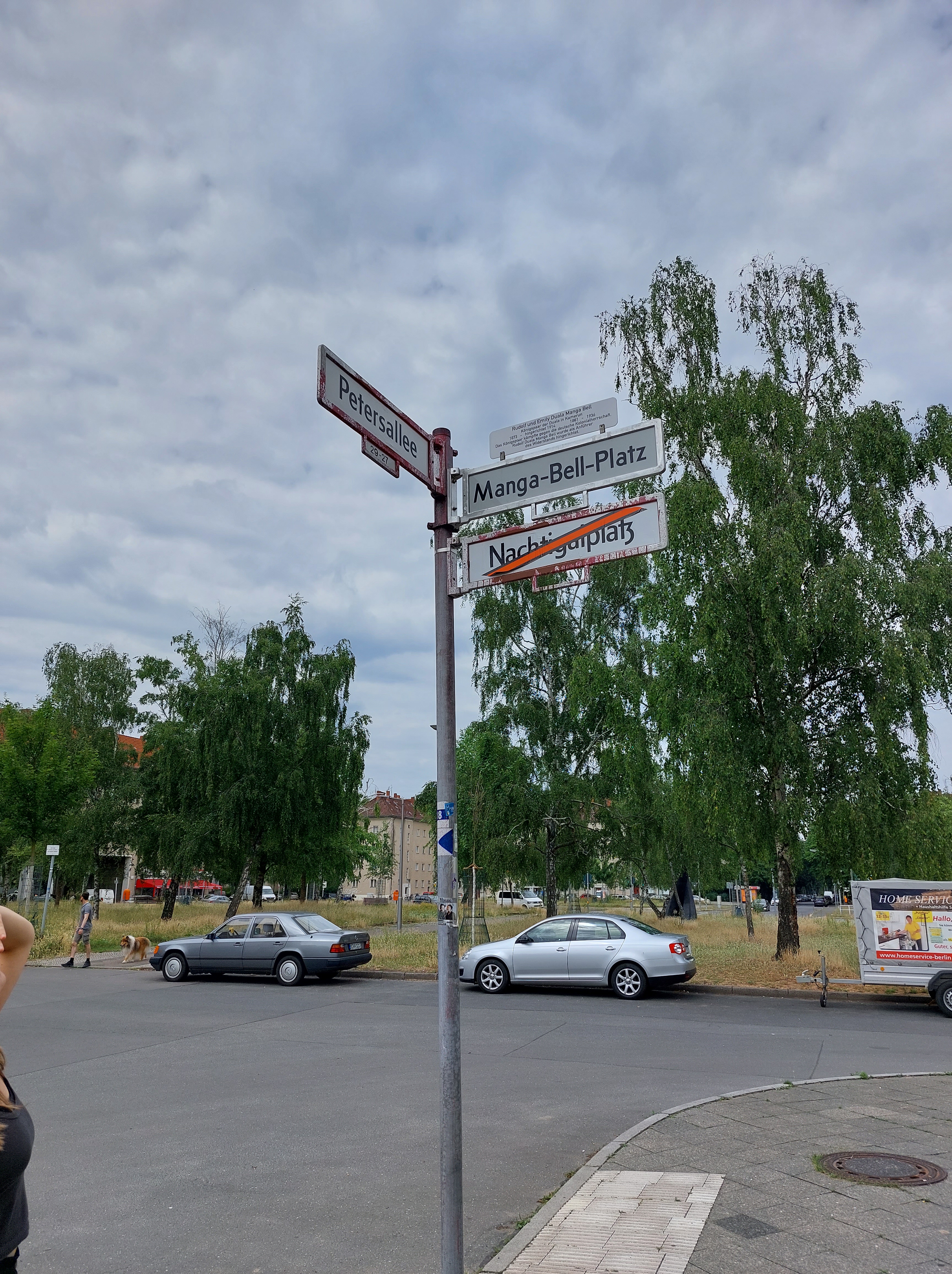
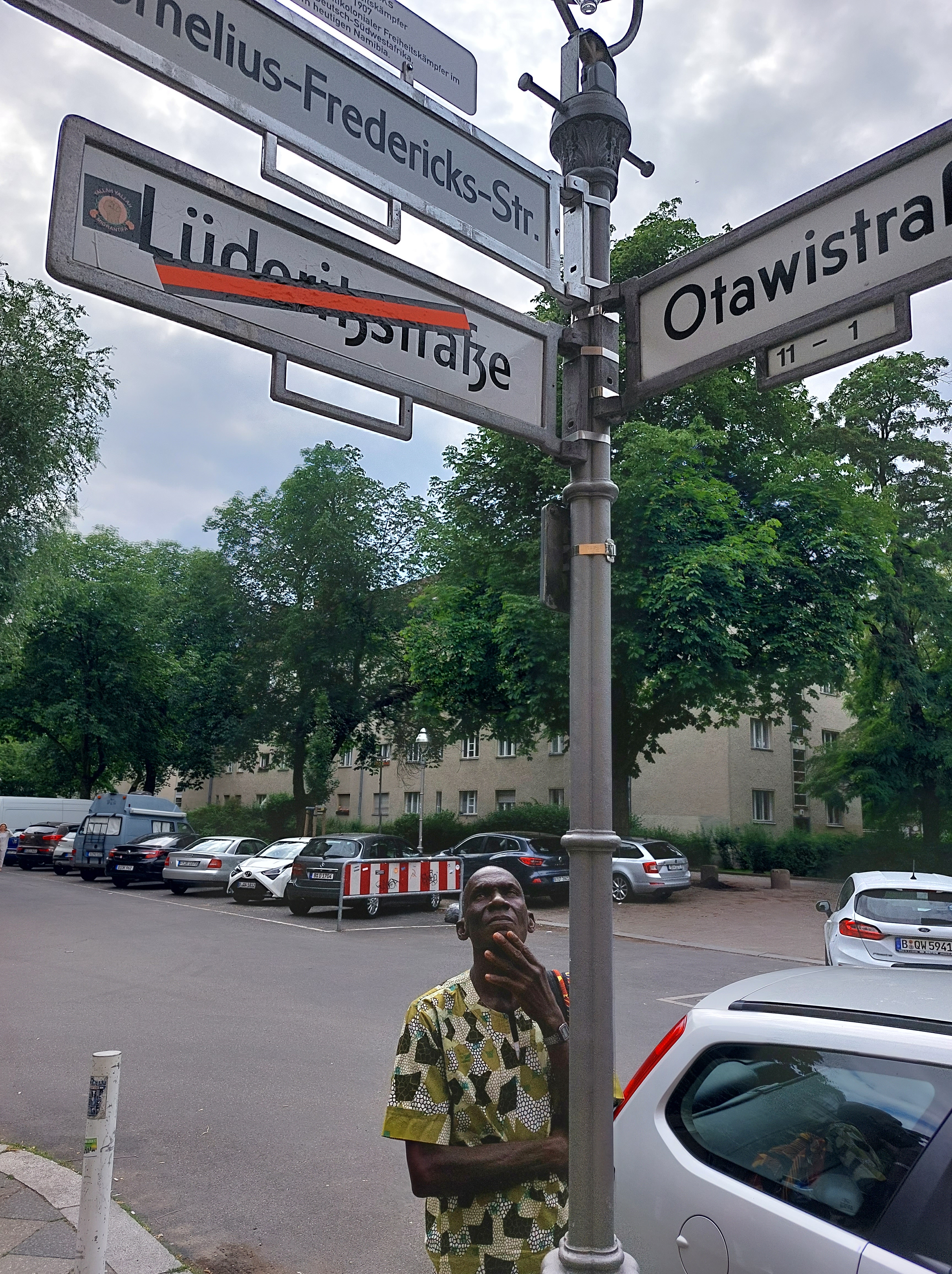
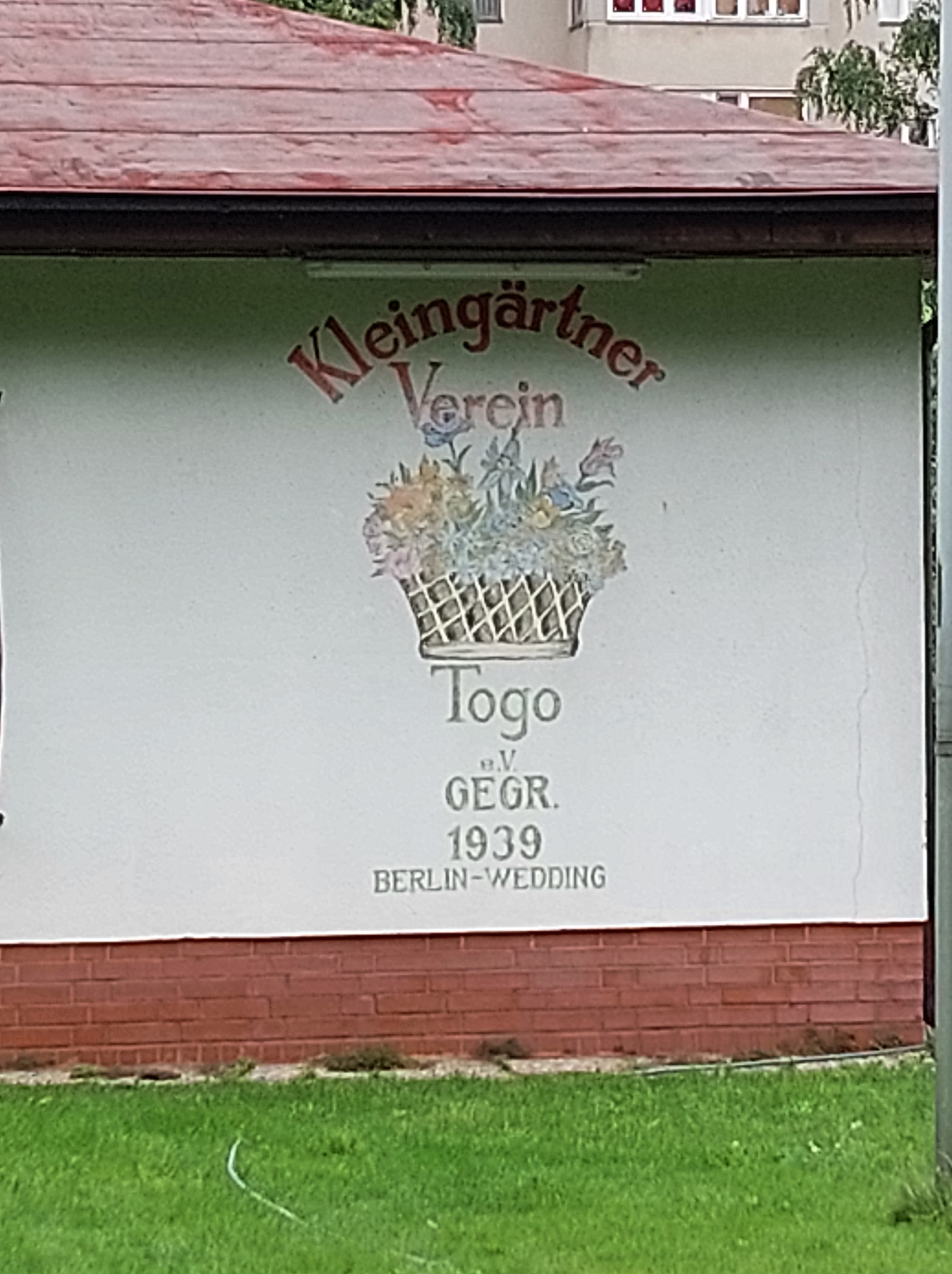
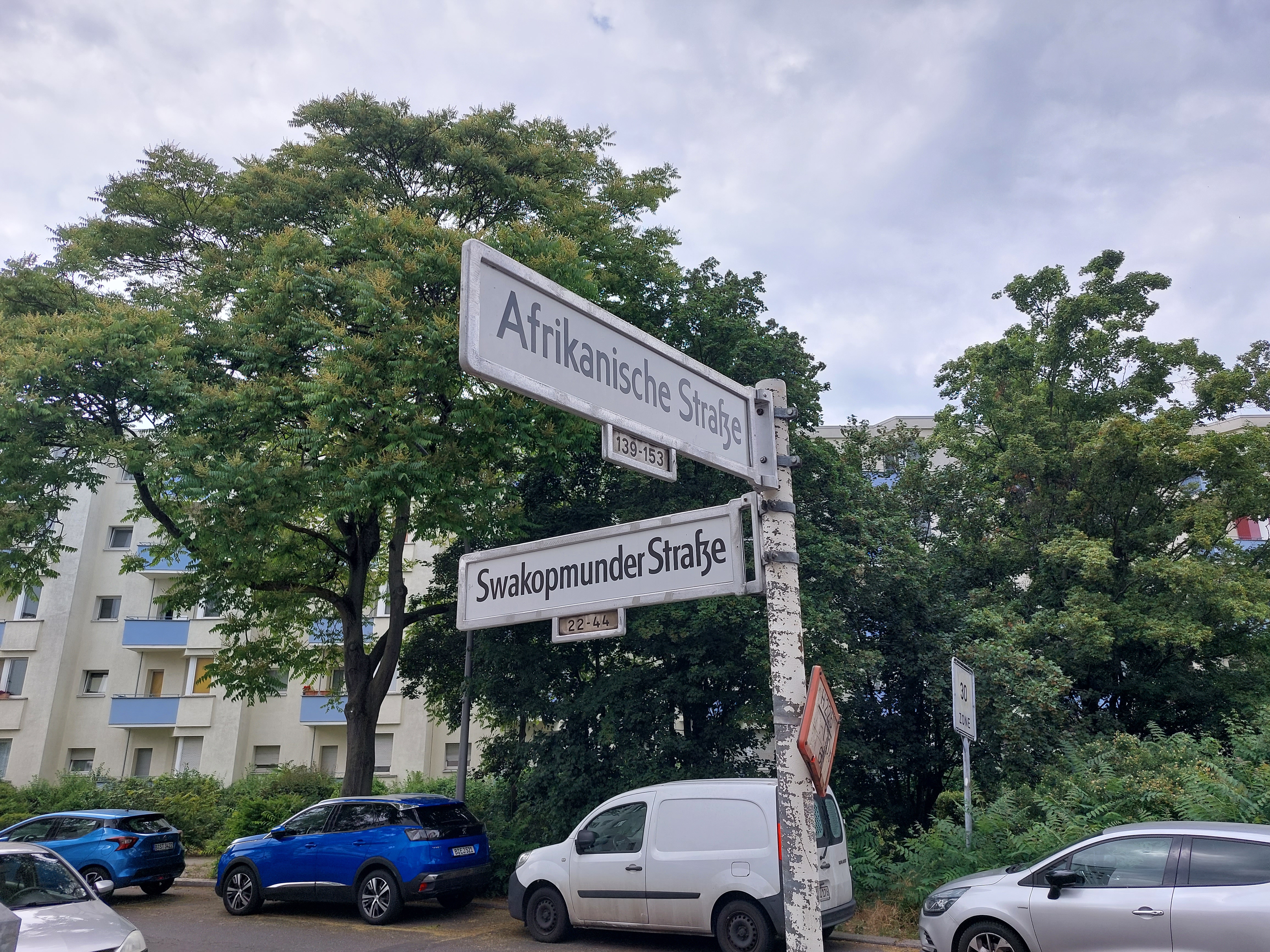
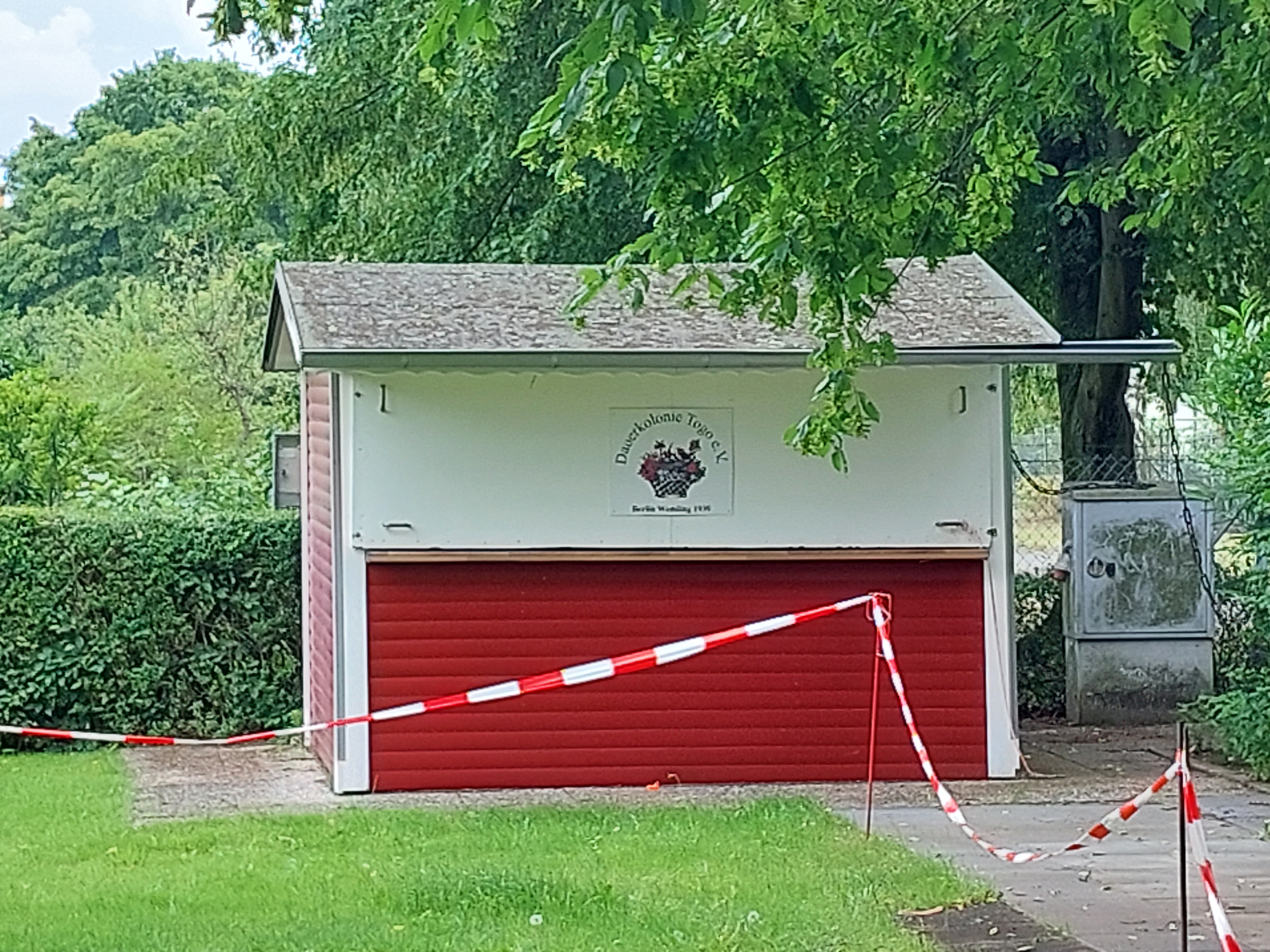
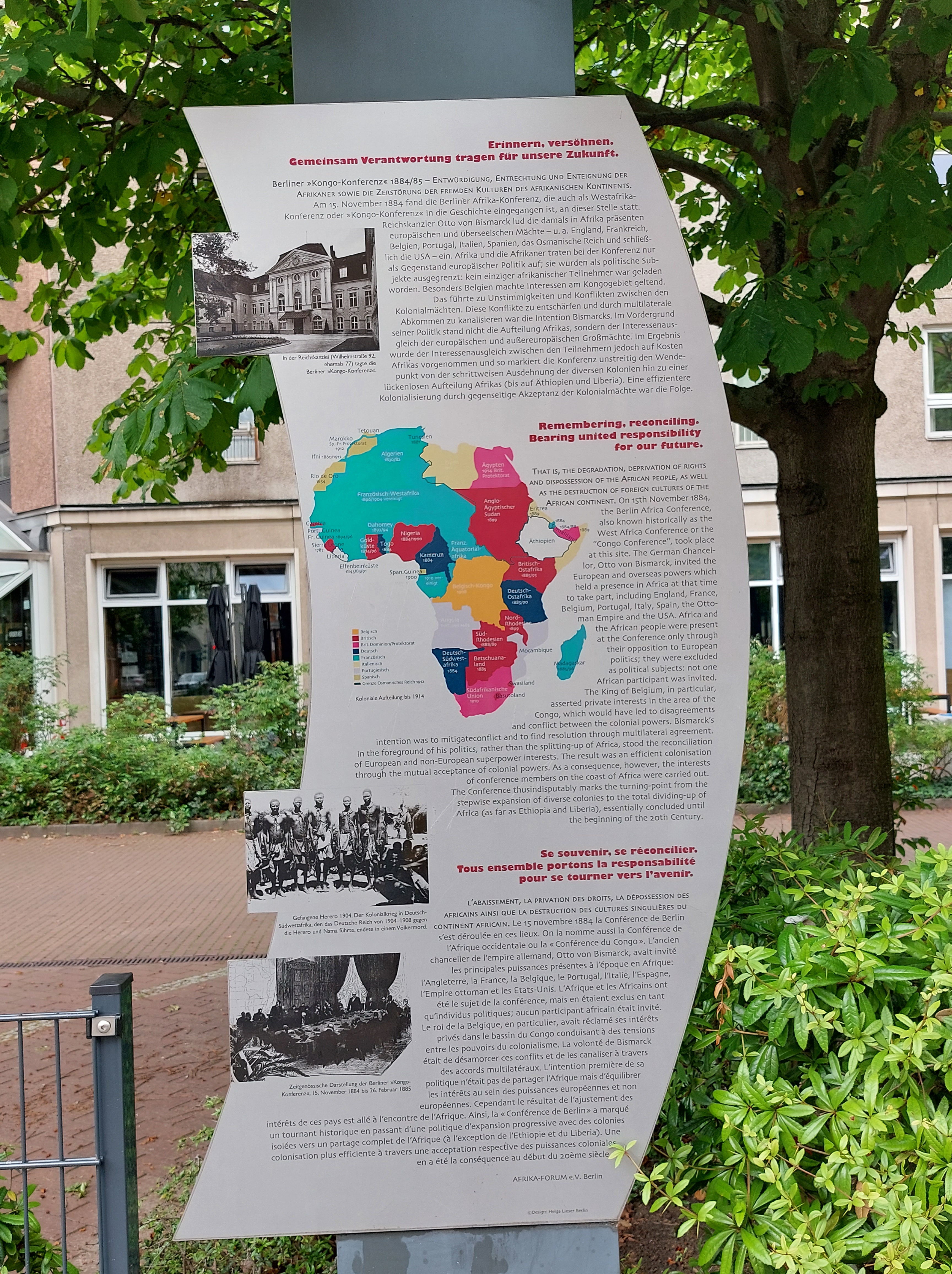
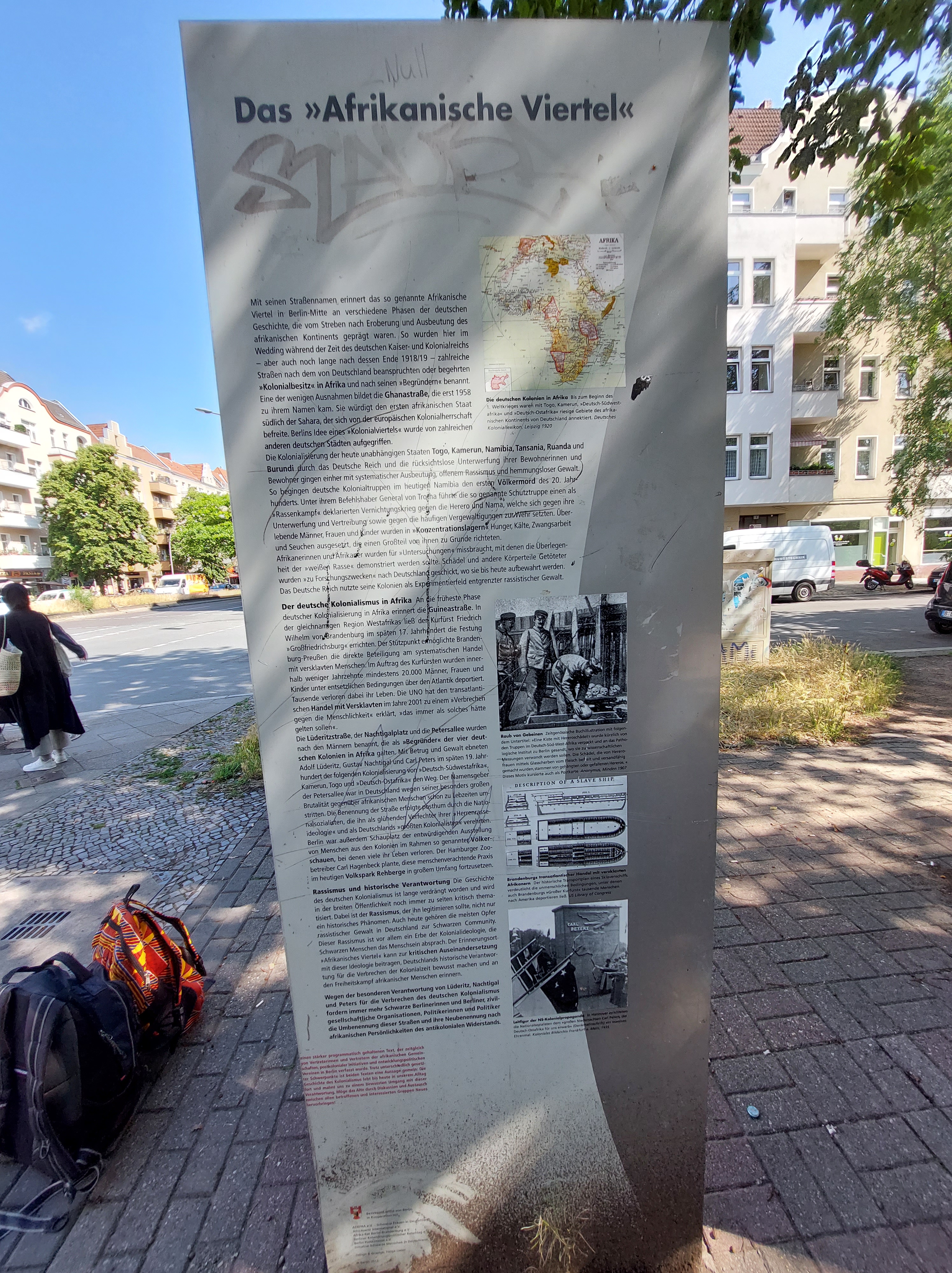
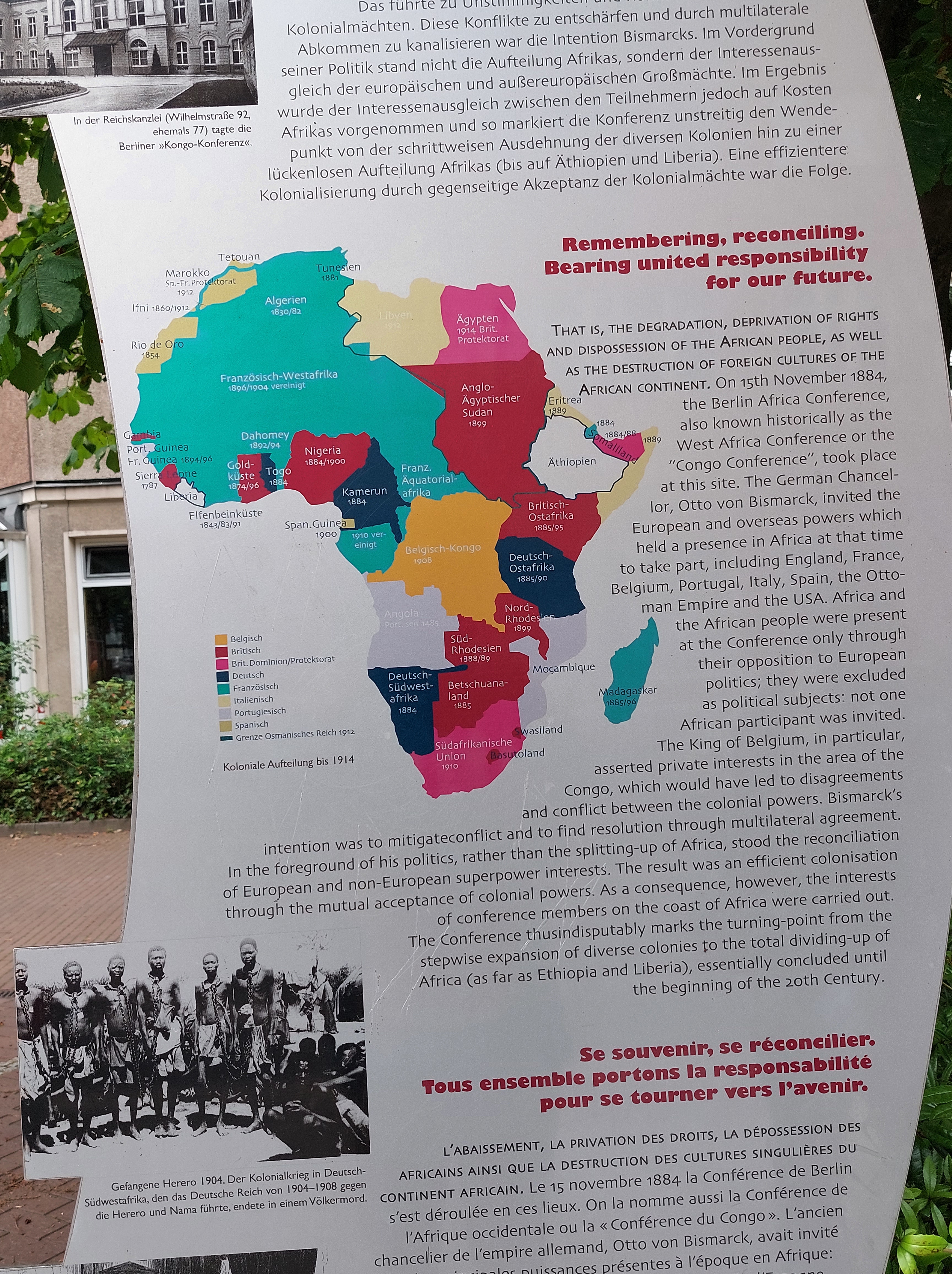
From the Mohrenstraße in the center of Berlin to the Afrikanische Straße, the Swakopmunder Straße, the Ghanastraße and the Togostraße, through to the Windhuker Straße, Dauerkolonie Togo, and Dauerkolonie Klein Afrika all in Das Afrikanische Viertel (African Quarters) of Berlin, the traces of German colonial history and heritage is visible to see in the street names. This was an insightful and enriching research visit in which I saw the over 10 years of struggle for street name change to the Manga-Bell Platz and the importance of such name changes to the decolonial process. As the tour guide stressed repeatedly, with these changes to the names of the Heroes of the decolonial and resistance struggles we get to tell the same history but this time from the perspective of and fronting the heroes. I got to learn about the mundane process of guiding this tour, hearing the narrative of the tour guide and the interaction with the visitors on the tour. I was able to engage the participants in a focus group discussion at the end of each tour learning about their motivations for joining the tour, their experience during the tour, the insights gained, the value of the tour relative to among others, the cost per person and how the plan to make use of the new knowledge and insights once the tour ends.
There were some interesting findings in terms of tour group composition and motivation: 1) on both the Saturday and Sunday tours, there were a group of 3 university lady friends who signed up for the tour as a birthday present for one of them. One explanation offered was that as ‘social science university students we want to give a memorable learning experience as a gift instead of material items’; 2) on Saturday there were 2 visitors from England (one who studied Social Anthropology in Manchester but lives/works in London and currently working remote for some 10 days in Berlin and the other studying in Bristol in Berlin for a 6 months internship); 3) on Sunday, there were 2 visitors from the Netherlands and funny enough one of them was – well actually still is a student at Wageningen University & Research on our MSc International Development Studies (MID) programme who still need to finish her internship but has moved to Berlin for a change of scene after some 5 years in Wageningen. The other Dutch person is a PhD student at Leiden study the process of decolonisation in Dutch Indonesia. Aha!…and the other funny thing was on Sunday one of visitors had applied for and gained admission to the MID programme at WUR but chose to go elsewhere while another visitor had done her study abroad at Utrecht University in the Netherlands. So, here I was in Berlin surrounded by so many Dutch connections. This also gives an insight into the demography attracted by the tour but it’s still early days to make any strong analytic statements.
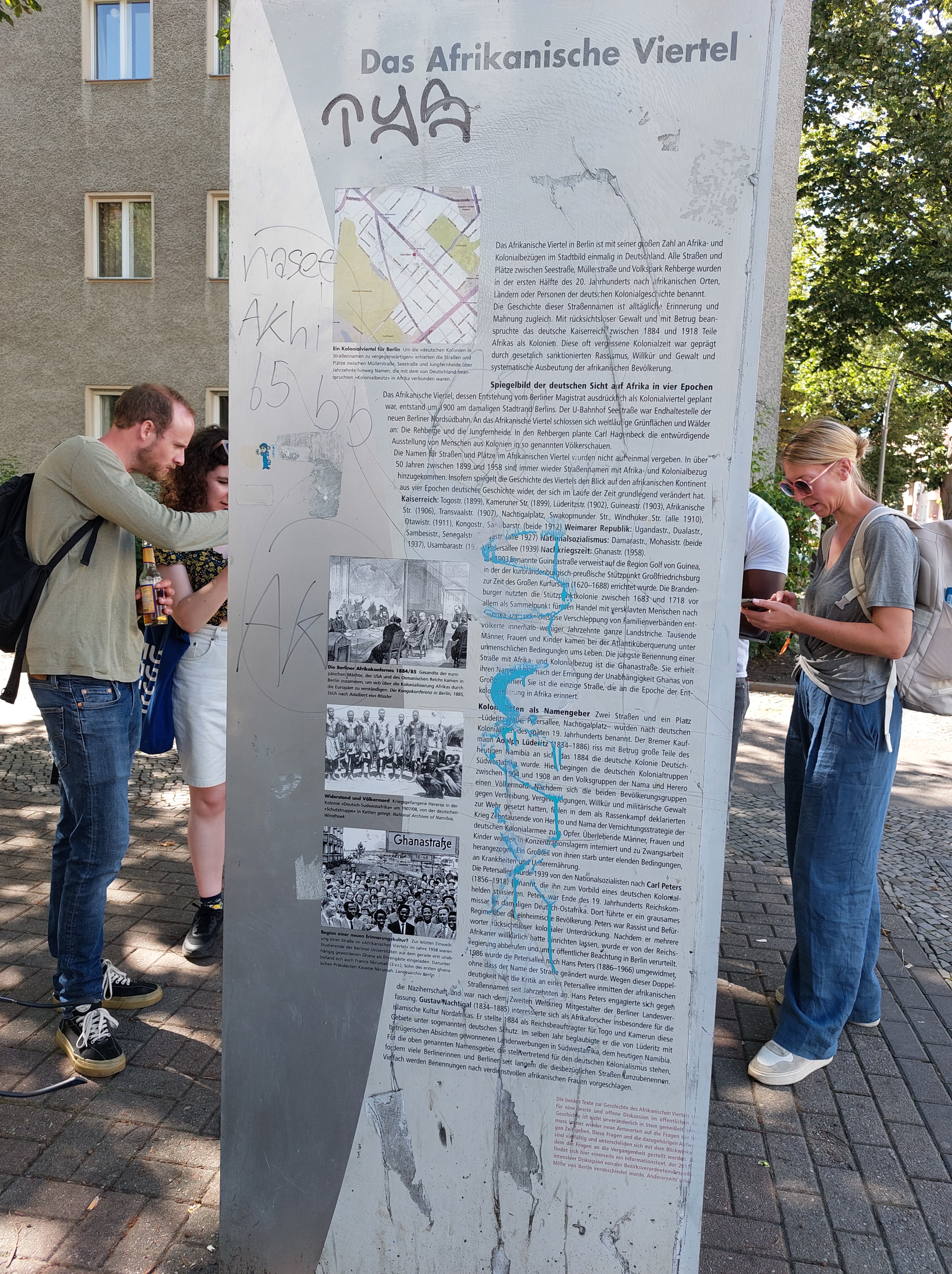

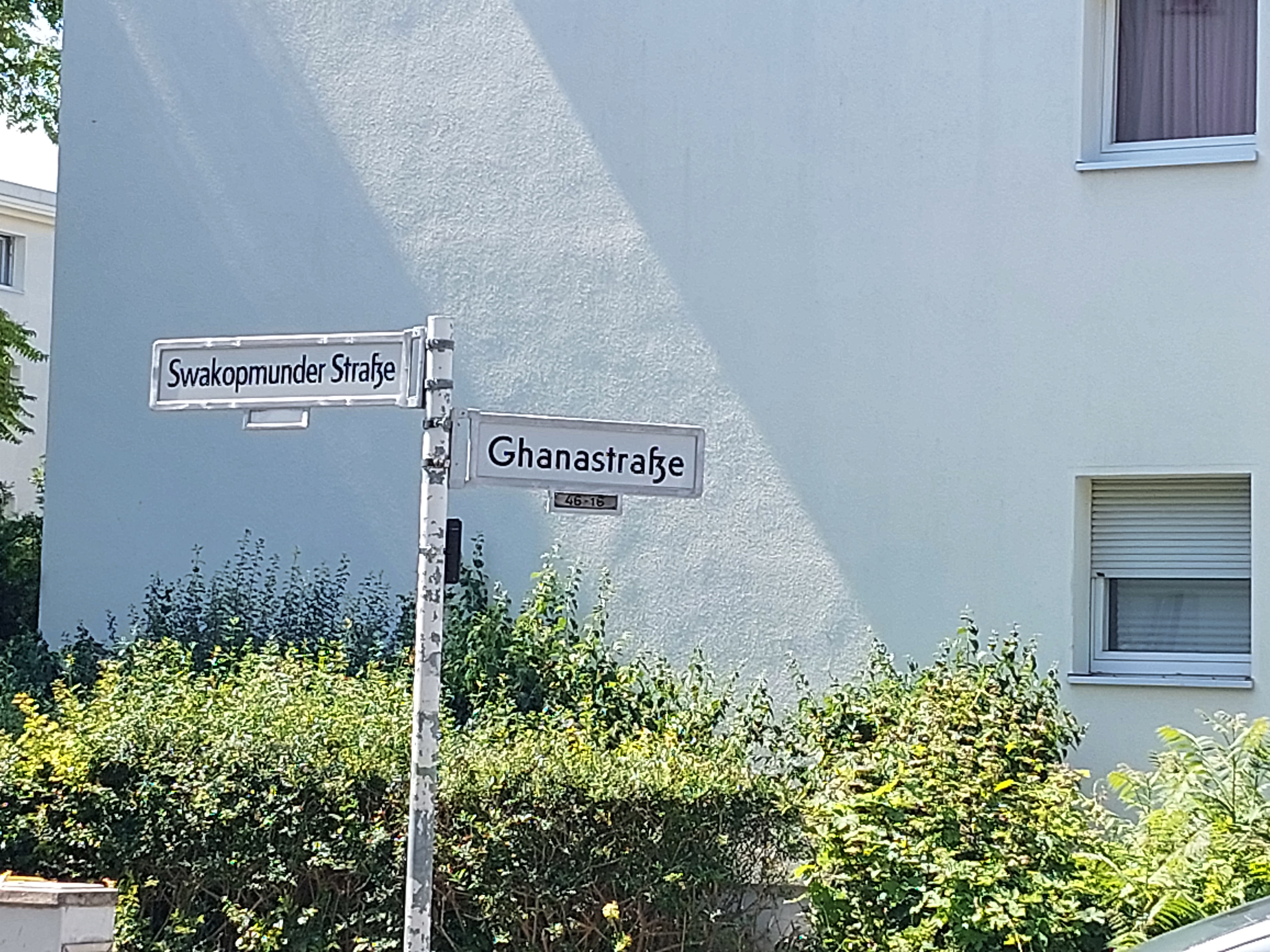
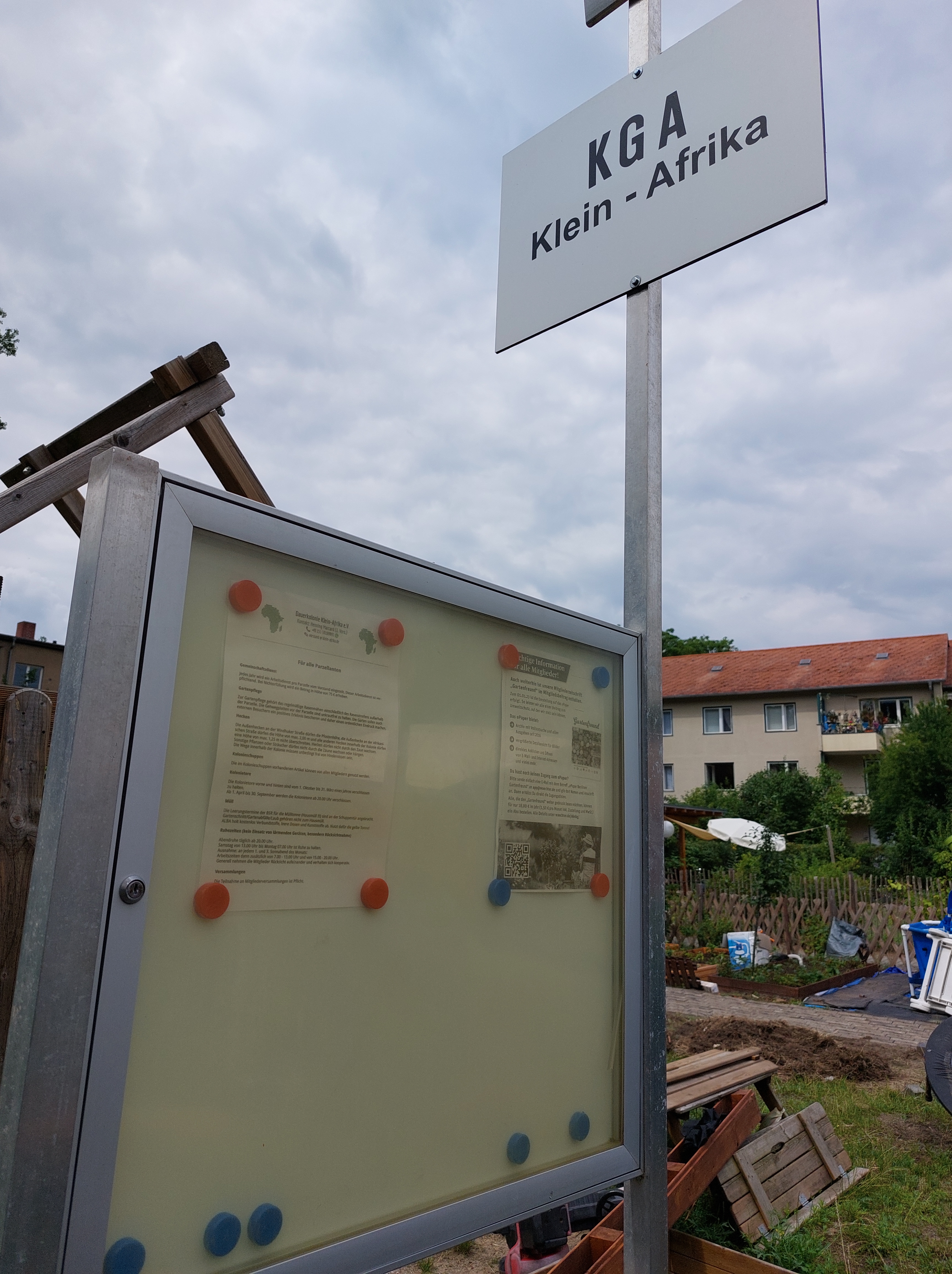
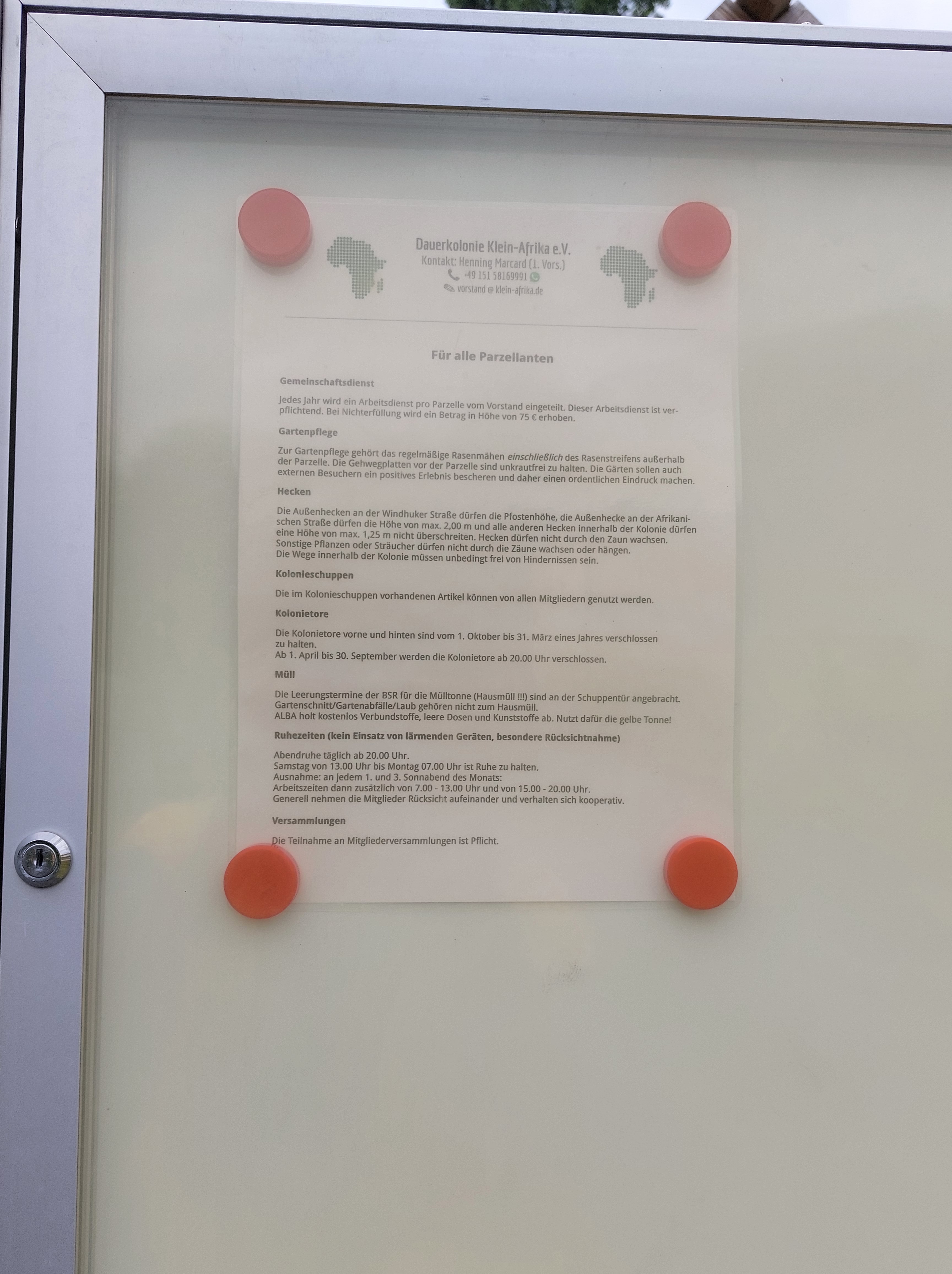

There is so much to unpack from this weekend of fieldwork. Even as I sit on the train heading back to the Netherlands, I am already looking forward to heading back to Berlin again for further fieldwork. I want to explore how this tour connects to the other many decolonial initiatives taking place across Berlin and the rest of Germany, and even across Europe in general.
 Emmanuel Akwasi Adu-Ampong