Tourism, memory and heritage
emotional geographies of cultural production, memory-making and commemoration
1-3 June 2026
Amsterdam & Wageningen
The Netherlands
Keynote Speakers
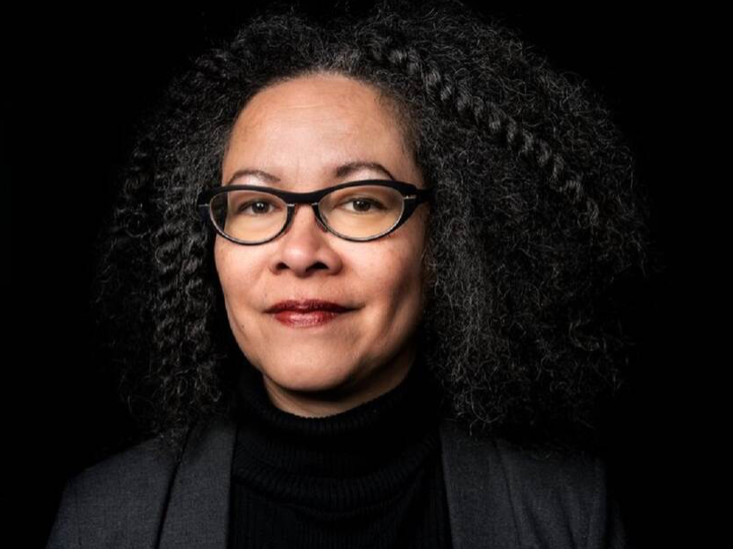
Nancy Jouwe is a Netherlands-based cultural historian and works as a freelance researcher, lecturer, writer and curator. She is part of a Papuan refugee community in the Netherlands. Her father hails from West Papua and Papua New Guinea, and her mother has roots in Indonesia, Germany and The Netherlands. As an activist she was involved in West Papuan human rights issues, the squatters- and anti-racist women’s movements.
Before freelancing, Jouwe worked in management positions for 20+ years within Dutch philanthropy, arts and heritage sectors and sat in (supervisory) boards and committees. Jouwe is a crown member of the Dutch Council for Culture. She studied Gender Studies and Cultural History at Utrecht University and York University (UK) and has taught courses at Utrecht University, Amsterdam University College and the Council on International Educational Exchange. She is currently an external PhD candidate within the Social and Cultural Anthropology department at Vrije Universiteit, Amsterdam. Her topic is on how the Papuan diaspora came into being, while using the lens of Blackness. Her research topics involve cultural heritage, arts and culture, transnational women’s movements, colonial history, slavery and its afterlife and social and cultural movements in the diaspora, using interdisciplinary, intersectional, and decolonial methods.
In 2013 she co-initiated public history project Mapping Slavery, involving book publications, a video- and podcast series and public speaking in the Netherlands, Europe, Indonesia, South Africa, and the US. As a curator she started working on slavery and its afterlife in 2010, co-producing a slavery walking tour in Utrecht in 2011, and initiating a slavery walking tour in her birth town Delft. She has co-edited several books, including Gendered Empire (2020), De Slavernij in Oost en West. Het Amsterdam onderzoek (2020), Slavernij en de stad Utrecht (2021), RevisualisingSlavery. Visual sources on slavery in the Indonesian Archipelago & Indian Ocean (2021), Caleidoscopic Visions. The Black, Migrant and Refugee women’s movement in the Netherlands (2025), The Gloria Wekker Reader (2026) and four bi-lingual Mapping Slavery guides on Amsterdam (2014), The Cape (2025), New York (2017) and the Netherlands (2019).
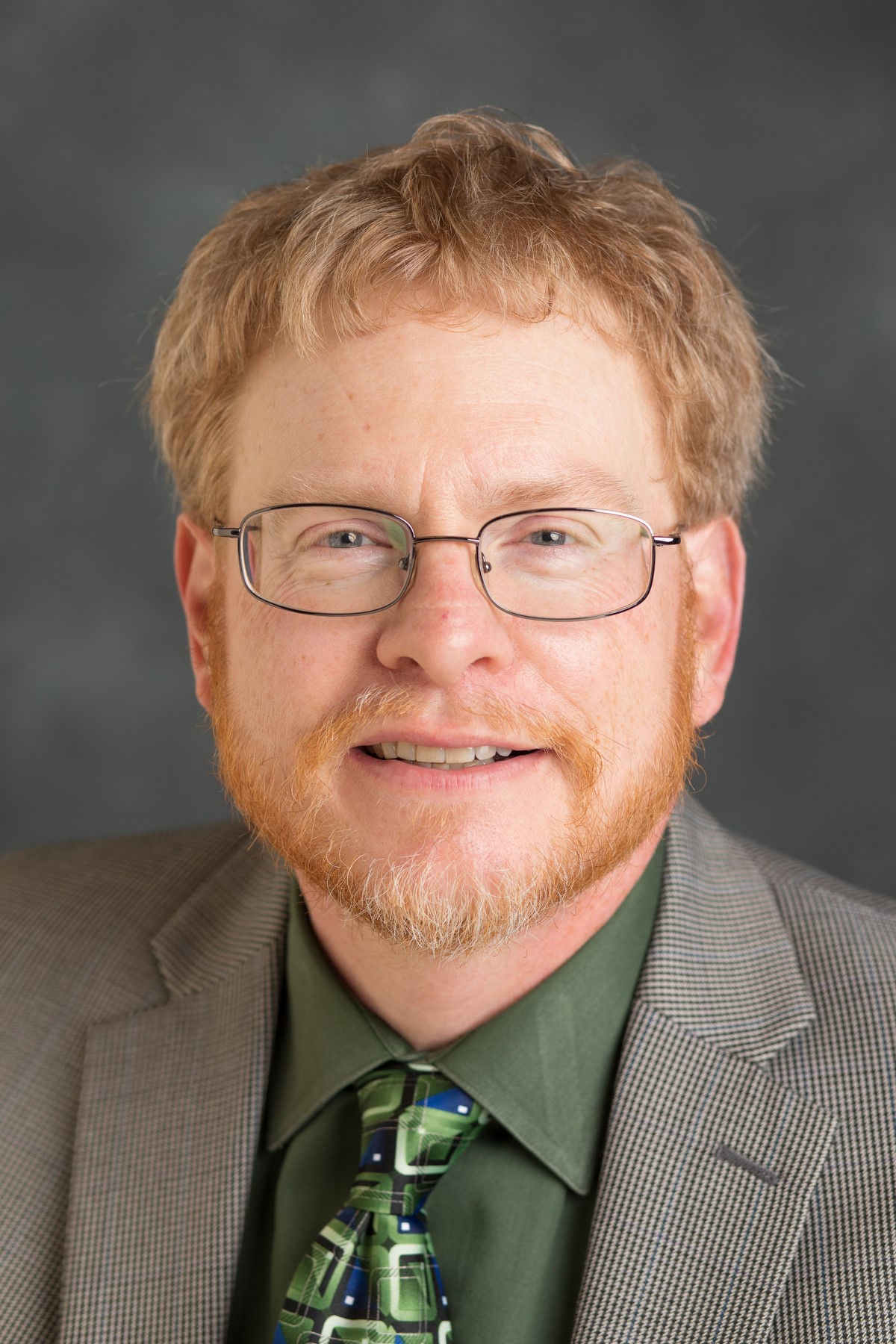
Derek H. Alderman is a Chancellor’s Professor of Geography at the University of Tennessee and an internationally recognized scholar of cultural geography whose work explores the connections between place, memory, and social justice. For nearly thirty years, his research has centered on how the contested histories of the African American Freedom Struggle are remembered, interpreted, and emotionally experienced through tourism, museums, monuments, and everyday geographies of street/place names. Alderman is well known for community-engaged research that combines academic inquiry with public impact. He has collaborated with civil rights groups, museums, activist communities, local governments, and the U.S. Department of the Interior to promote more inclusive approaches to memorialization, naming, and place-making. His work, which includes over 180 articles, book chapters, and essays, is published in top scholarly journals and public outlets such as The Conversation and is often cited by scholars, educators, policymakers, and media. To date, Alderman has been quoted in or contributed to more than 330 news stories, documentaries, radio and TV broadcasts, blogs, and podcasts. His co-authored book, Remembering Enslavement: Reassembling the Southern Plantation Museum (University of Georgia Press), represents a significant intervention in debates over how plantation museums (mis)represent slavery, emphasizing the emotional, ethical, and political importance of reforming heritage interpretation and visitor experiences.
Alderman is a Fellow and Past President (2017–2018) of the American Association of Geographers, and has received some of its highest honors, including the Media Achievement Award, the Susan Hardwick Excellence in Mentoring Award, and, in 2026, the Gilbert F. White Distinguished Public Service Award. He is a co-founder of Tourism RESET, an international, interdisciplinary initiative that examines tourism and travel as a source of racial injustices and, historically, a means of Black resistance and self-determination. Most recently, Dr. Alderman’s focus has turned to The Living Black Atlas, an initiative that highlights Black-led mapping, storytelling, and knowledge production as acts that challenge the politics of memory, place, and belonging. Going beyond the violent cartographies of racism and colonialism, The Atlas encourages us to rethink what a map is, who creates maps, and the work that maps should do to affirm freedom.
Tourism, memory and heritage
emotional geographies of cultural production, memory-making and commemoration
1-3 June 2026
Amsterdam & Wageningen
The Netherlands
Call For Participation:
What happens on a guided tour of Auschwitz? Which narratives emerge on an organized visit of a former slave plantation? Which stories get told by guides in a museum that curates colonial objects? What are the outlines of the emotional geographies that shape the tour(ism) encounter in such settings? Pain? Pride? Sadness? Nostalgia? Guilt? Shame? Trauma? Empathy? How do such emotions relate to the cultural memories of the past that are (re)activated in such encounters? What are the frictions and generative tensions that emerge from these processes in which tourism intersects with cultural memory politics over contested pasts?
This second edition of the ‘Tourism, Memory and Heritage’ conference is set in the context of the ongoing European Research Council (ERC) funded project Frictions of Space: the generative tensions of tourism in slavery and colonial heritage tourism (Grant agreement ID: 101165300). The starting point for this edition of the conference is a focus on the emotional geographies of the tour(ism) encounter at/in/around contested heritage such as the Holocaust, slavery, (civil) war, colonialism and racial oppression. The sites, monuments, museums and artifacts associated with such contested heritage are often spaces of tension. This is because they evoke different memories, meanings and preferred uses and ways of preservation by different visitors and community stakeholders. Increasingly, however, these spaces are being transformed into emotionally charged places of cultural products and productions such as guided tours, remembrance festivals, art performance shows, exhibitions and public art installations, among others. These cultural products and productions offer visitors visceral and narrative mechanisms for (re)activating cultural memories and making meaning of the contradictions of the past, present and future of this contested heritage.
We seek for contribution and participation from a wide range of academic disciplines, professional practices and wider societal actors. As a transdisciplinary gathering, this conference seeks to explore the conceptual, empirical, practical and policy questions of the role of tourism in (re)activating cultural memories and the resulting contemporary implications in society. A number of driving questions underline this conference and while we take a particular focus on the tour(ism) encounter, we welcome submissions that deal with conceptual issues like:
- The (emotional) assemblage of the visitor encounter at contested heritage sites;
- The embodied role of tour guides; and
- The affective politics in activating cultural memories associated with contested heritage.
Empirically, we welcome submissions dealing with, among others, questions such as:
- How does the past become transformed as (contested) heritage?
- How does contested heritage tourism practices and performances become a platform for discussing wider societal issues of remembering, forgetting and commemorating the (un)shared past?
- What is the relationship between emotions and experiences at contested heritage sties?
- How does guided tours shape the heritage (re)creation process in terms of local place identities, meanings and collective memory?
- How does tourism, in its diverse cultural practices and performances, transform and narrate the past through particular forms of representation that engage the senses, emotions and imagination of visitors?
- How are emotions (re)produced and performed in the context of contested heritage sites?
- How do visitors experience and engage with tourism-related cultural (re)productions?
- How do debates about coming to terms with contested heritage and their ongoing impact in contemporary society circulate, translate and travel between academia, cultural institutions and the general public?
- What is the role of guided tours in the entanglements of competing and/or multidirectional cultural memories?
- How does tourism feature in contemporary processes of heritage and memory formation and museum practices?
We encourage submission for papers, posters and other creative contributions exploring such questions and themes from both historical and contemporary perspectives. We welcome research examining the intersections of tourism, memory and heritage through a wide range of cultural practices and performances: (guided) tours, museum exhibitions, films, documentary, travel writing, literary works, photographic exhibitions and more. We expect a transdisciplinary gathering bringing together societal actors in the fields of guided tour(ism), memorial-making, museums and heritage management with scholars from cultural geography, (critical) tourism studies, (cultural) memory studies, (critical) heritage studies, cultural studies and historical studies. In addition, the conference is open to scholars from adjacent fields such as literary studies, performance studies, and art and media studies, among others.
Conference set up:
Monday 1 June 2026: Half day afternoon (14.00 onward) participation in Memre Waka (Memory Walk) in Amsterdam followed by joint group dinner
Tuesday 2 June 2026: Full day conference activities at Wageningen University & Research, Wageningen
Wednesday 3 June 2026: Final full day of conference at Wageningen University & Research, Wageningen
Submission Details
If you would like to participate in the conference, please submit expressions of interest in the form of a document including your name, institutional affiliation (if applicable), a short bio, and an abstract (max. 350 words) of your planned contribution . For those who would like to participate without necessarily presenting, please also submit a document including your name, institutional affiliation (if applicable), a short bio, and an explanation of why you want to participate (max. 150 words).
Expressions of interest by all potential participants should be sent to frictions@wur.nl
Abstract (EOI) submission deadline: Friday 30 January 2026
Notification of selection decision: On a rolling basis due to limited number of space available
Conference date: 1-3 June 2026
Feel free to direct any questions or queries to frictions@wur.nl
Highlights from the 2023 inaugural edition of the conference
The inaugural edition of the conference in 2023 was held in the context of the Dutch Research Council (NWO) Veni Grant (VI.Veni.201S.037) with additional funding from the Royal Netherlands Academy of Arts and Sciences (KNAW) Early Career Partnership Grant (KNAW WF/1089 : KNAWECP2023-0).
You can read and watch an overview of the conference in 2023 through these links:
 Emmanuel Akwasi Adu-Ampong