In the first instalment of “the slow hard work of societal impact”, I focused on my coordinating role with the tapestry work piece. In this second instalment, I want to reflect briefly (although being brief is one of my learning goals) on screens and screenings as an avenue for societal impact. I refer in this instance to the research documentary I made on my NWO Veni research project. The premiere of the (then uncompleted) documentary was in December 2024 at the “Calabash Onder de Bigi Bon” event. After the event I went back to the drawing board with my chief producer and editor Michael Kunke of Brand Elmina.
Before talking about going back to the drawing board, it is worth mentioning, even if it’s just in passing, that the amount of hours that went into the first cut of the documentary that we premiered in December 2024 was incredible. Herh! It too so much slow time. There were times during that period that I seriously considered putting a pause on the whole documentary making plan. Afterall, it was not a promised output of my NWO Veni grant. It was just my own free choice idea and long held dream (inspired also by the wonderful and brilliant Dr Afua Twum-Danso Imoh – Associate Professor in Global Childhoods and Welfare at Bristol University – who made a research documentary on her project). I just felt that it would be cool to make a research documentary so that I can visually take people to the places I research. I did wonder to myself along the way about the opportunity costs of all the hours I was sinking in to the documentary making process. How many journal articles could I have drafted with those hours, I asked myself. But I pressed on. Who knows!? Maybe it was just my subconscious need to make up for not pursuing a career in TV journalism as I once upon a time dreamed of as a child. Anyhow, I didn’t quite fully think through the slow hard work involved in terms of hours spent poring through mountains of video files from Ghana, Suriname and the Netherlands. The decision of what to include and what to exclude was a difficult one even as my editor had a fixed total run time for the documentary. We slightly run out of editing time in the lead up to the premiere so after the first screening we went back to the drawing board.
On the drawing board of finalising the documentary, we adjusted a few of the visuals by cutting back in some areas and adding some new materials. The biggest time usage related to making the English and then later the Dutch subtitles. The English subtitles were relatively not too cumbersome to finalise as I already had a script written. It was only the speeches of the tour guides that still needed transcription. The English subtitles were then added to the visuals in the right synchronised timed-sequence. It was the Dutch subtitles that were quite some work. First, through a mix of Google Translate, DeepL and ChatGPT, the English subtitles were translated into Dutch which I proofread. I had to do this all by myself – well, I didn’t have a budget to hire someone to do this work. Thankfully, I had Marvin Hokstam Baapoure – Editor in Chief of the AfroMagazine – to do a second check of the Dutch subtitles. Since my video editor is no Dutch speaker or reader, I had to undertake the painstaking task of cutting up the translated Dutch subtitle text into their small length-size pieces in order to synchronise by the second with the visuals and audio. Well, you can imagine how fun that was. But it had to be done and one of my mottos is: if it must be done, it must be done well. So I put in the time-shift to get it sorted. There were many a WhatsApp video calls with my long-suffering editor Michael at various odd hours for live collaboration through the editing process. He didn’t want to send me a draft and hear me say, “it looks good but….”. It was a wonderful collaborative process and I learned a lot of “dos and donts” about the world of documentary making from him.
Maybe you should have view of the trailer of the documentary before we continue:
Actually, what I had wanted to reflect on was the series of screenings I organised and the impact I felt it may have made based on the Q&A and conversations that followed each screening. Let’s keep it short, shall we? The first thing to say about lessons learnt is this: I should have given thought to my target audience for the documentary from the very beginning. As it was, I had conceived of the documentary as a “visual academic journal article” that would be mainly interesting for academic audiences. This meant my voice over narrative had long sentences and the language was overly too dense. But now I know better and that’s what learning is all about. In the end, the documentary has done more for societal impact than any research article I might even write. I can confidently say that my total academic citations at this point come no where close, as a measure of ‘impact’, to what the screening of the documentary has accomplished – in terms of generating societal conversations, raising awareness, increasing knowledge about the past, present and future of the slavery and colonial heritage (tourism).
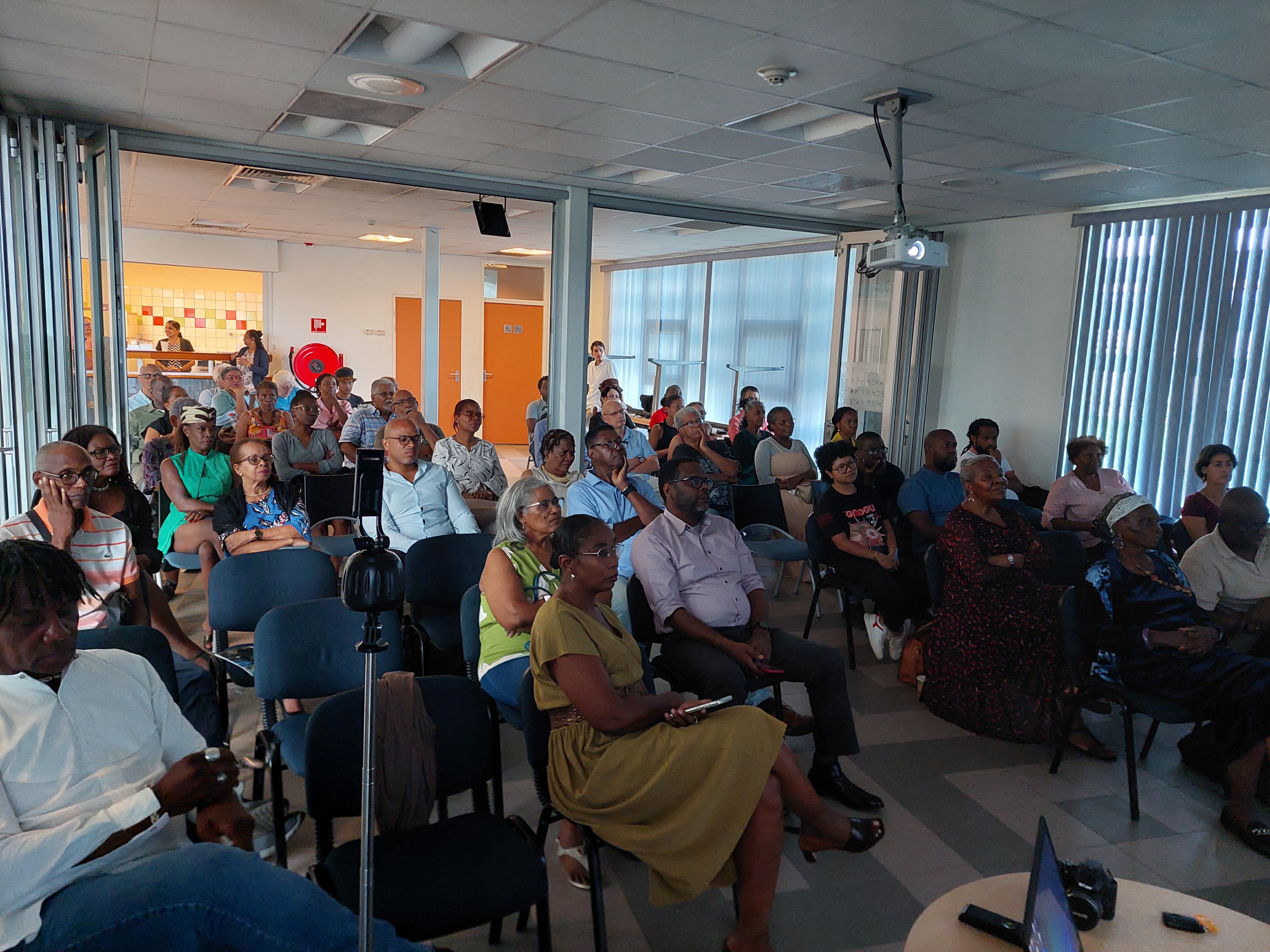
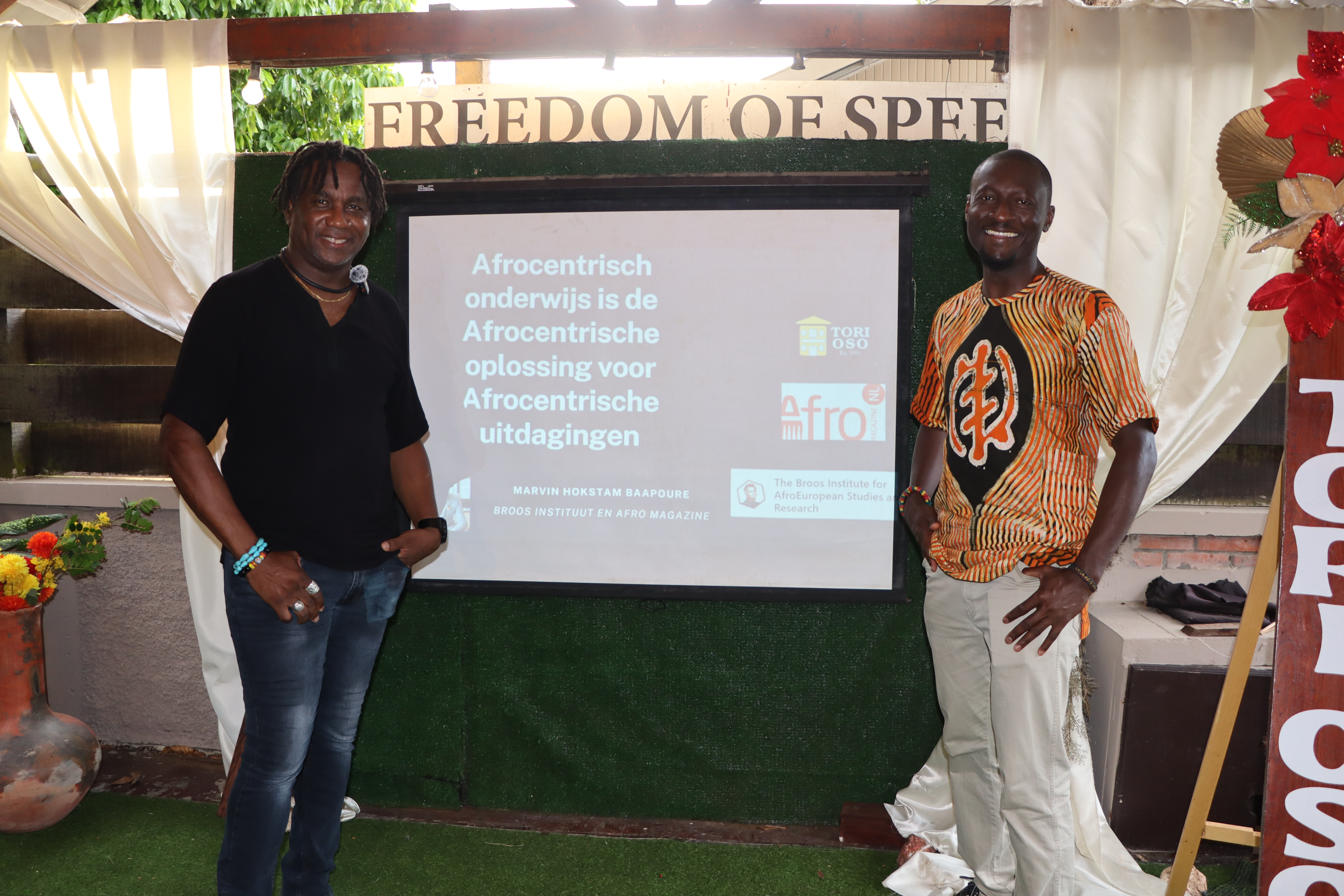
I am grateful for the many planned and serendipitous ways that this documentary have reached a much wider and diverse audience through public and private screenings. I am glad that I could bring the documentary to the doorsteps of the communities that were part of the research project and where important conversations on the subject are still ongoing. In Suriname for instance, we held a second public screening and discussion at Tori Oso due to popular demand after the first screening at the National Archives proved very popular. There in Suriname, I also experienced the power of radio as a knowledge dissemination platform. The morning before the first public screening, Marvin had arranged for a live radio promotional interview for the both of us on ABC Radio. It was during the screening that a number of people during discussions informed us that they had come because they heard of the event during our radio interview in the morning. Another wonderful thing that happened with the screenings in Suriname is that it brought us in contact with the then Chair of the Vice President’s cabinet who also showed up to the first screening after hearing about it on the radio in the morning. Long story short: through this connection, the documentary got a screening on national Suriname TV on 1 July 2025 as part of Keti Koti commemoration. It is tempting to make it a numbers game but this is certainly not a numbers game. It is about the qualitative non-quantifiable (potential) societal impact of the documentary in providing a platform for conversation, awareness creation and sowing seeds that will germinate to bear all sorts of fruits.
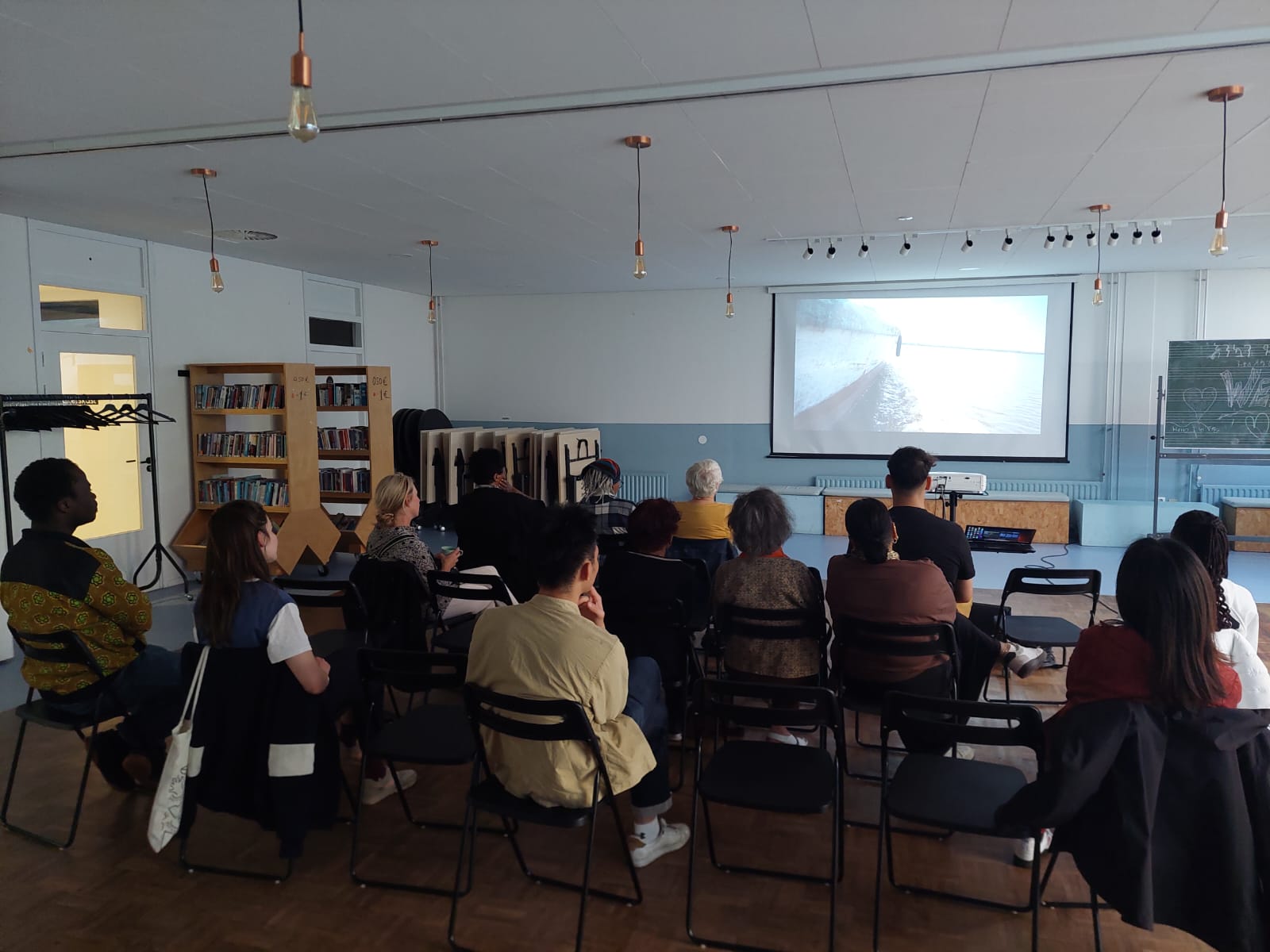
In the Netherlands, the slow hard work of societal impact with the documentary has focused mainly in Wageningen. With one screening in the city centre as part of the Wageningen Keti Koti commemoration, the majority of the screening took place on the campus of Wageningen University & Research. I tied the documentary screening with the embroidery project work because they both deal with the same theme. It was also an attempt to advertise and recruit more people for the embroidery project. It did seem to work quite well. It was a bit of a screening tour across different buildings on campus – the Leeuwenborch, Impulse and multiple times in GAIA 1 & 2. The impulse to count the number of people who showed up for the various screenings was there but I had to consciously resist this inclination to quantify. I told myself it’s about awareness creation, generating conversation and receiving feedback critique on my work. These I received in abundance during the Q&A at the end of each session. Such interactions are unlike to happen from the more standard journal article where people might “mis-interpret” or “mis-quote” you with no option for you to respond immediately in a conversational, relational manner.
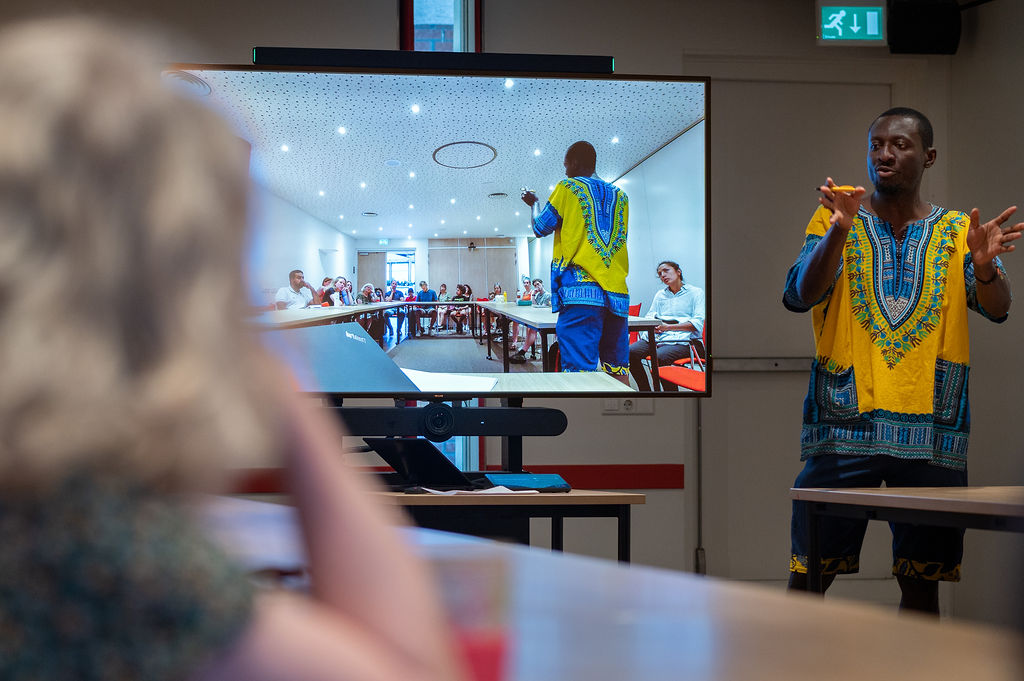
Now I ask myself if it was still worth the hours invested in making the documentary and the opportunity cost of less publications. The answer is unequivocally YES. Yes, it has been more than worth it. The myriad ways in which the documentary has generated societal conversation is beyond what I could have anticipated. The insightful and probing questions that have been posed to me during these screenings have pushed my own thinking on the subject. Suggestions for future documentary have been offered and noted. This post feels a bit like rumbling but that’s what blog posts are for – to rumble at my own leisure and style. But the main point has been that it takes the slow hard work taking time to develop alternative research project outcomes in order to make the tiny steps towards societal engagement (and hopefully some impact). Let’s see how the FRICTIONS project evolves and what other creative outputs we might manage to develop for deeper societal engagement. In the meantime, I will continue to explore other venues and avenues to keep screening the documentary and initating societal conversations. Reach out if you want to help out with organising a screening in your community, at your university or in your classroom or at your conference.
 Emmanuel Akwasi Adu-Ampong
Pingback: “I came, but can I see?”: The NWO Vidi grant application journey (#NWOVidi2025diaries) | Emmanuel Akwasi Adu-Ampong