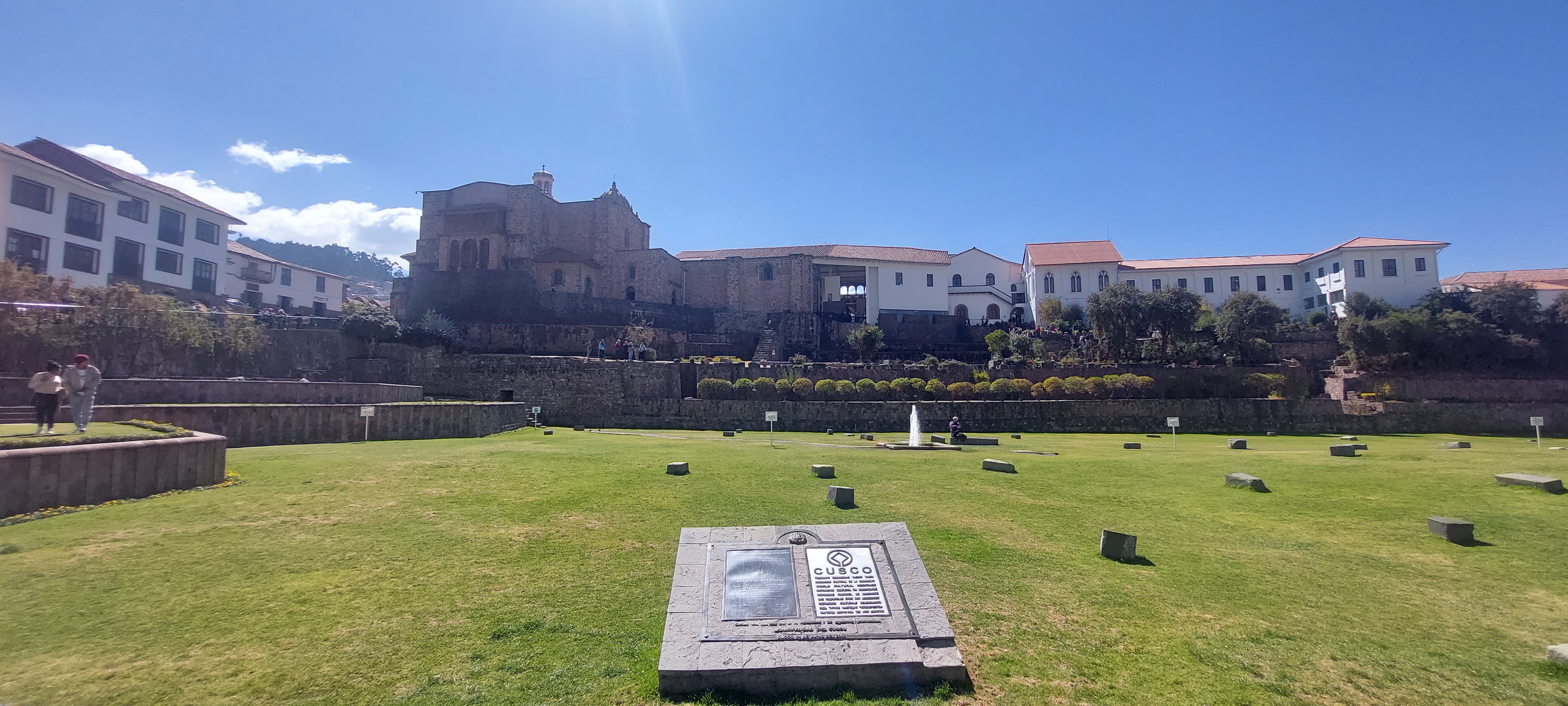
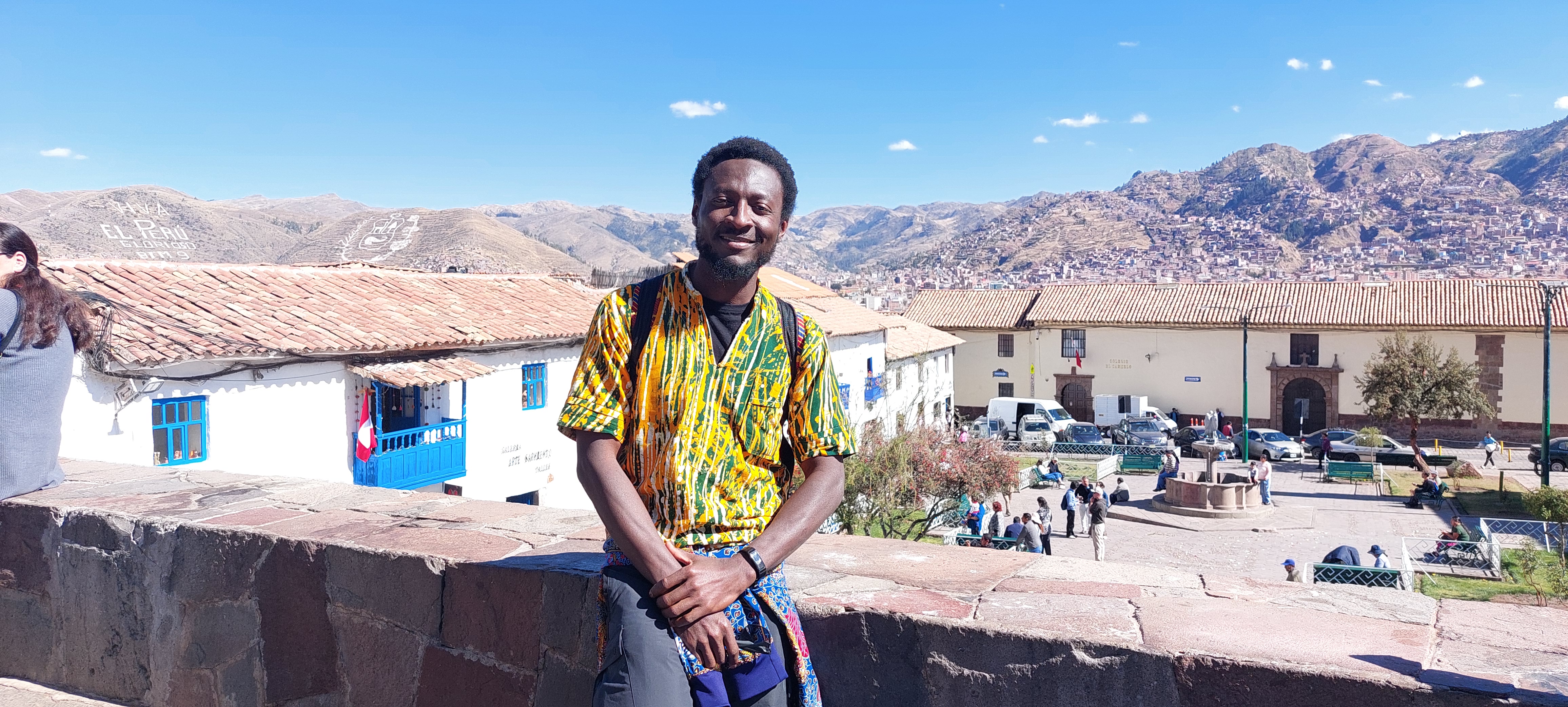
Qusqu or Qosqo or Cuzco or Cusco, once the capital of the great Inca Empire, was a lovely city to experience for a few days. The traces of the grandeur and ingenuity of the Incas are there to be seen everywhere – beneath, besides, around and above the destruction and impositions wrought by the process of Spanish colonisation. I was able to explore many parts of this city on foot as I got myself acclimatised to the high altitude of about 3,399 meters above sea level. In contrast, the highest point in the Netherlands is about a paltry 323 meters above sea level while the highest point in Ghana is Mount Afadjato at 885 meters above sea level. Thus, I had quite some acclimatising adjustment to make before the epic 4-day trek on the Inca Trail that was ahead of me. In addition to the altitude acclimatising, I also had the ‘winter’ season in Peru to contend with. Evening temperatures immediately after sunset took a steep drop reaching freezing levels overnight. Fortunately, day time sunshine meant a lovely temperature range that was enjoyable – if sometimes too hot.
A major observation I made in Cusco took me almost by surprise. I’ve been teaching this for a long time and I’ve tried to constantly remind my students about it, but somehow I almost fell for it. Perhaps it was the sudden shift in high altitude, my shortness of breath due to reduced oxygen availability and the rather cold weather that had me there for a second. It took me a while to figure it out after conversations with other research colleagues before it sunk in for me. I hear you ask: what almost took you by surprise? What did you almost fall for and what finally sunk in for you? Well, let me tell you 🙂 I used to teach a course on our BSc Tourism programme called, Tourism Destination Management. On this course we explored 3 distinct theoretical perspectives on destinations: 1) Destinations as a combination of tourism products, services and experiences 2) Destinations as networks and 3) Destinations as imagined and lived places. In Cusco, it was very clear to see how the tourism products, services and experiences were being combined and offered. I could also clearly see how Cusco/Peru was part of a South American/Latin American network of destinations as some backpackers traverse many countries in a relatively short time span ranging from a few weeks to a couple of months. It was the last approach that almost took me a while to remember as I was somehow overly focused on the imagined idea of Cusco as a destination ‘stripped’ of its messy everyday lived realities and in which everything is focused on the tourist experience.
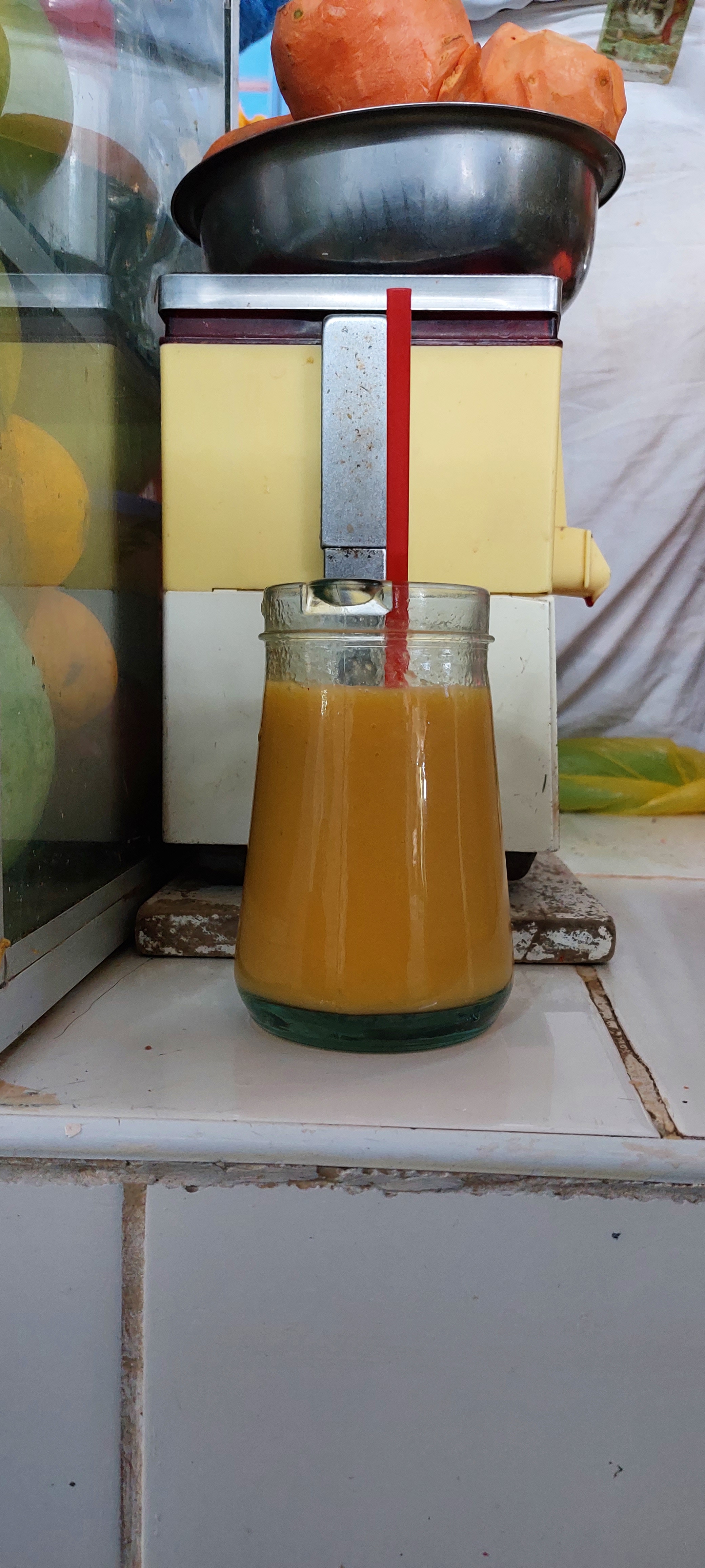
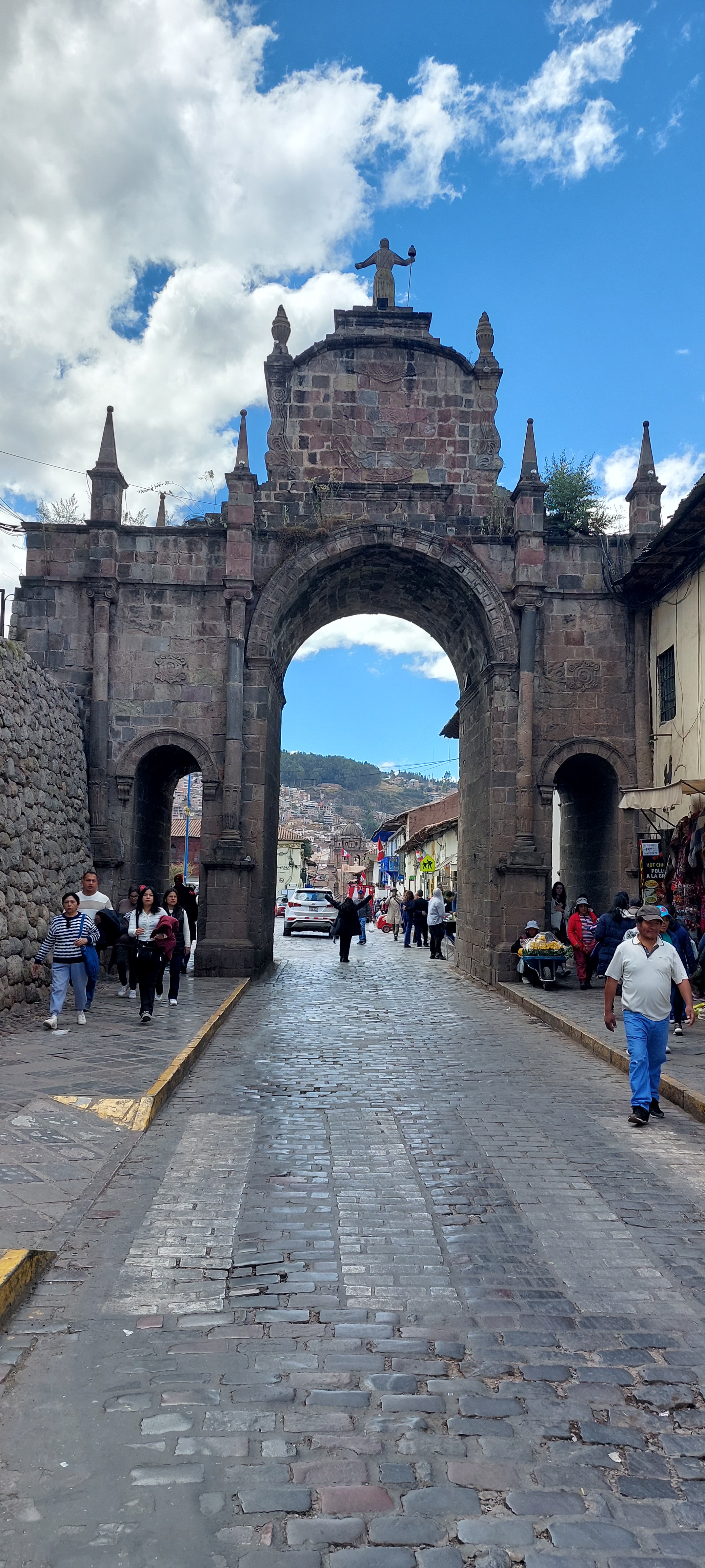
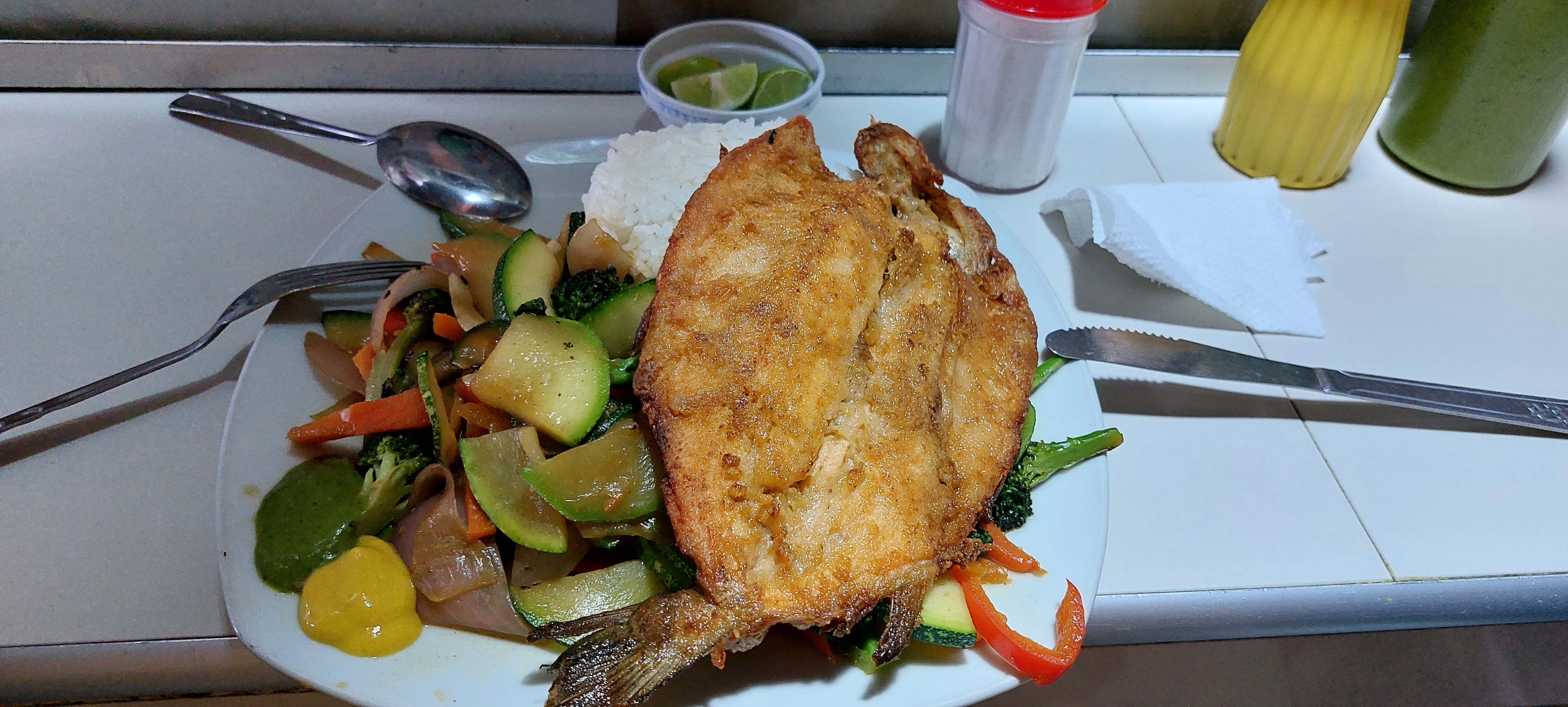

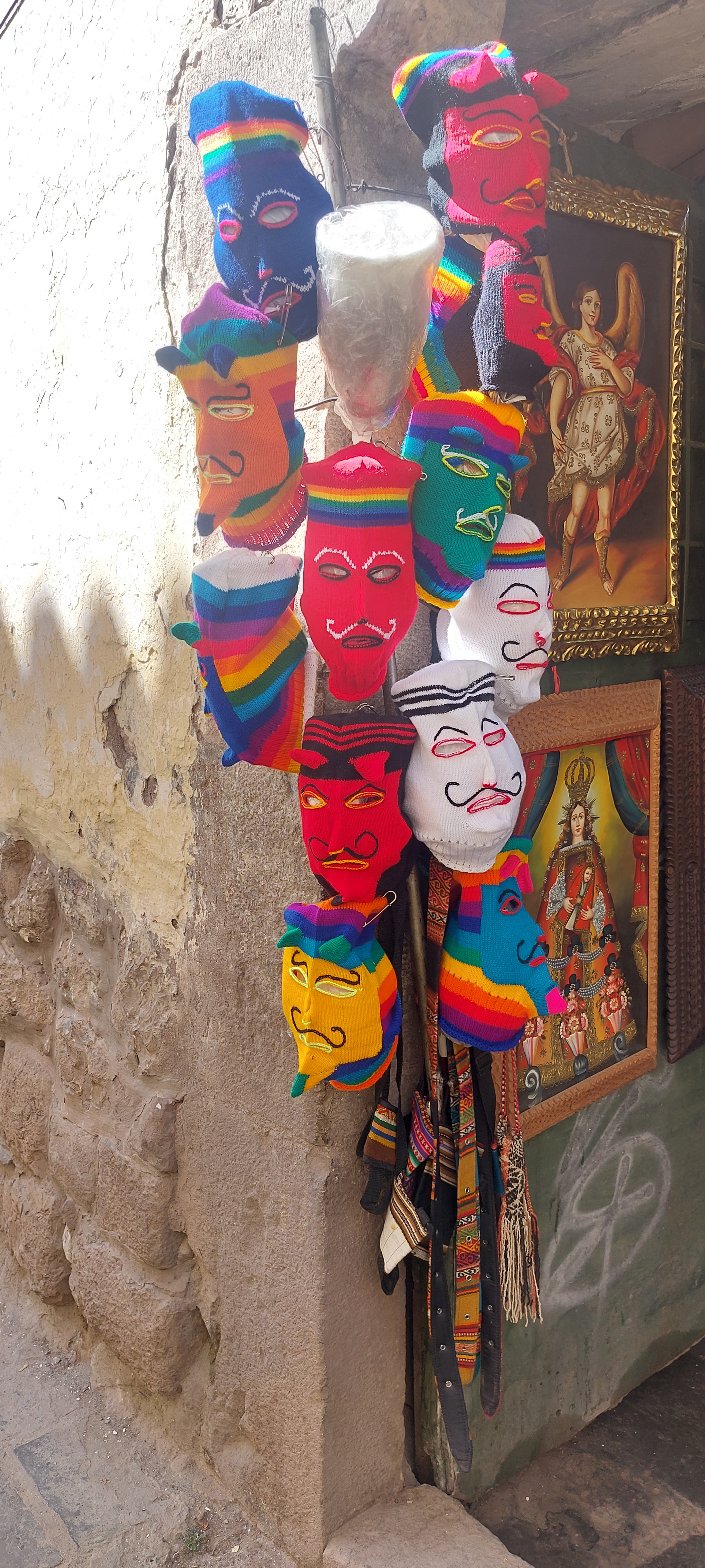
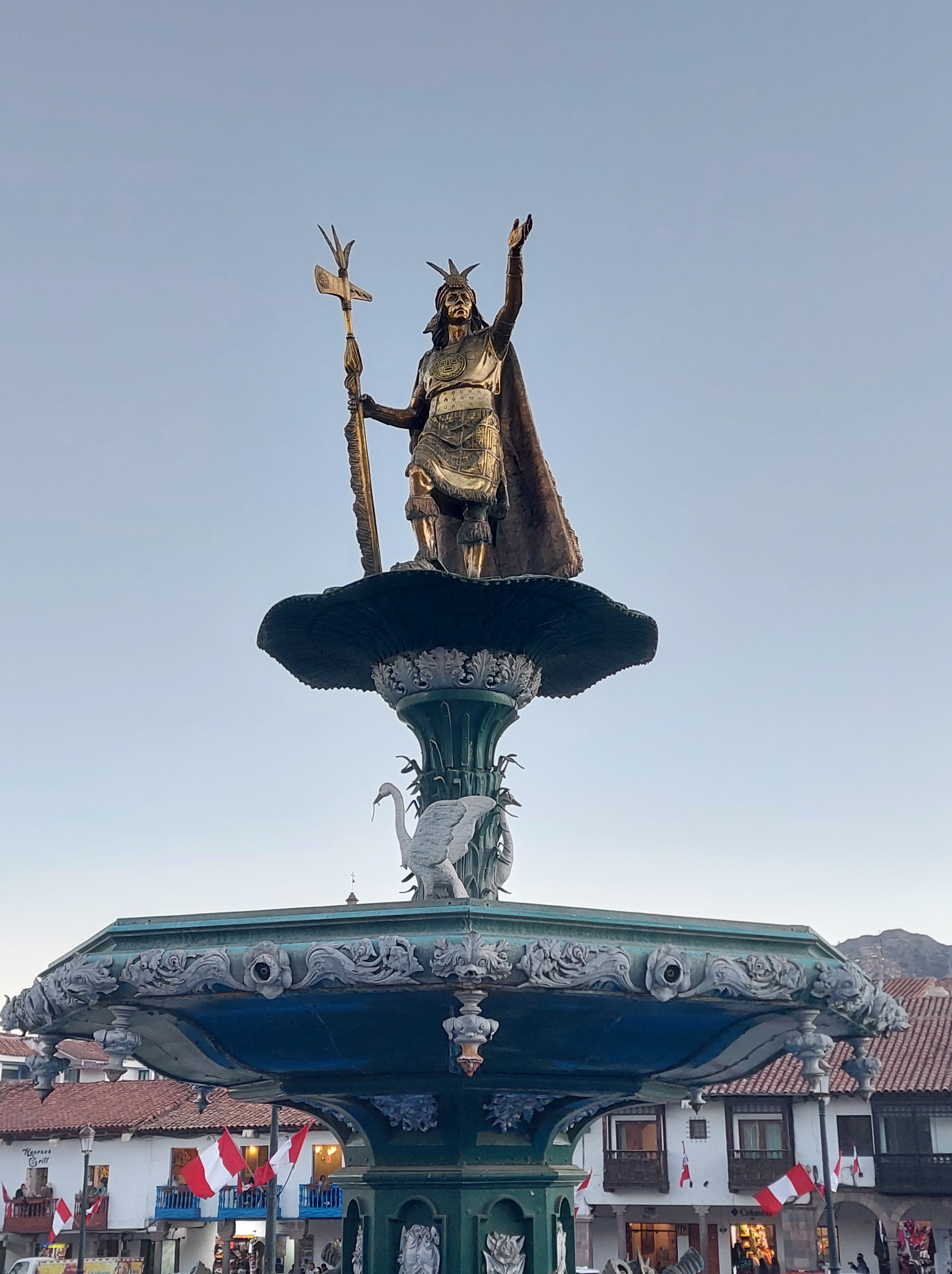
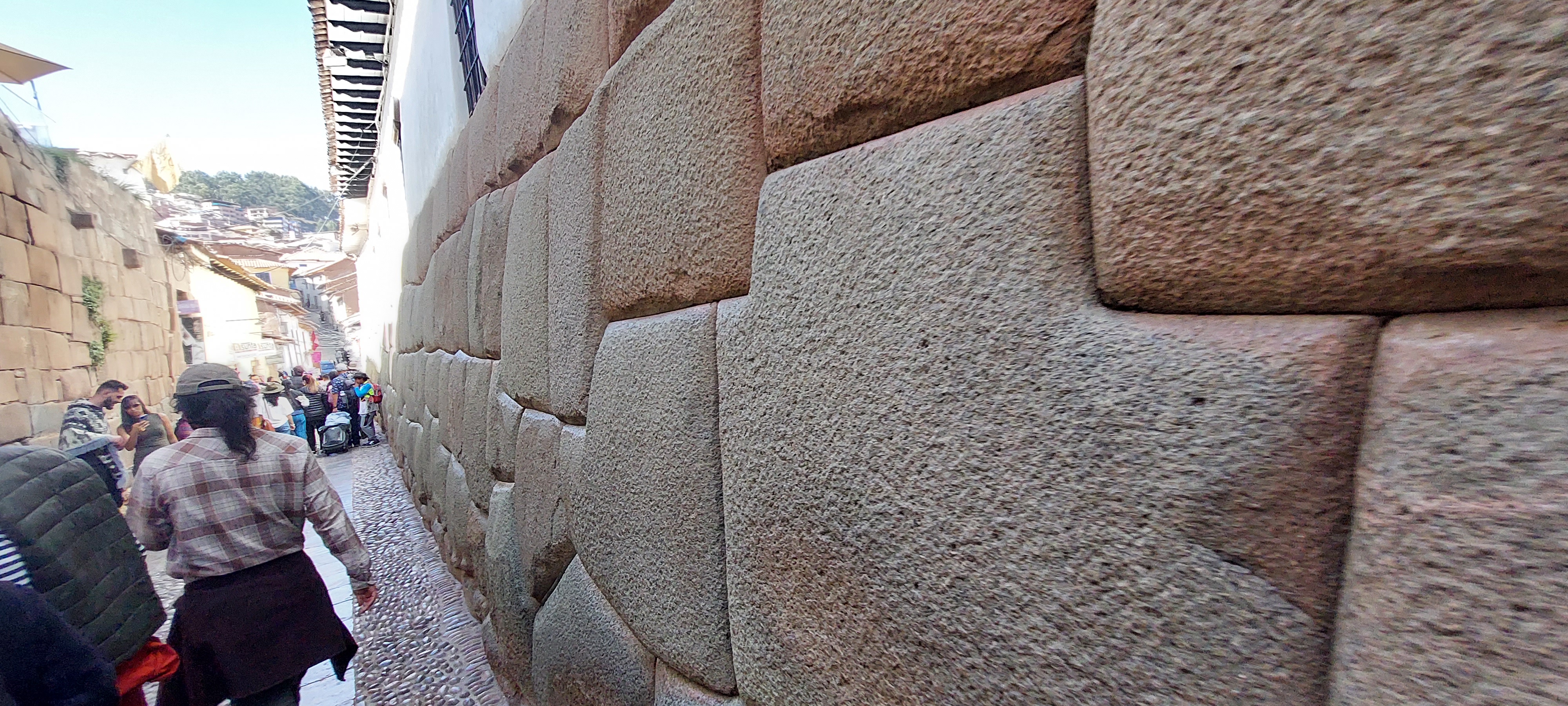
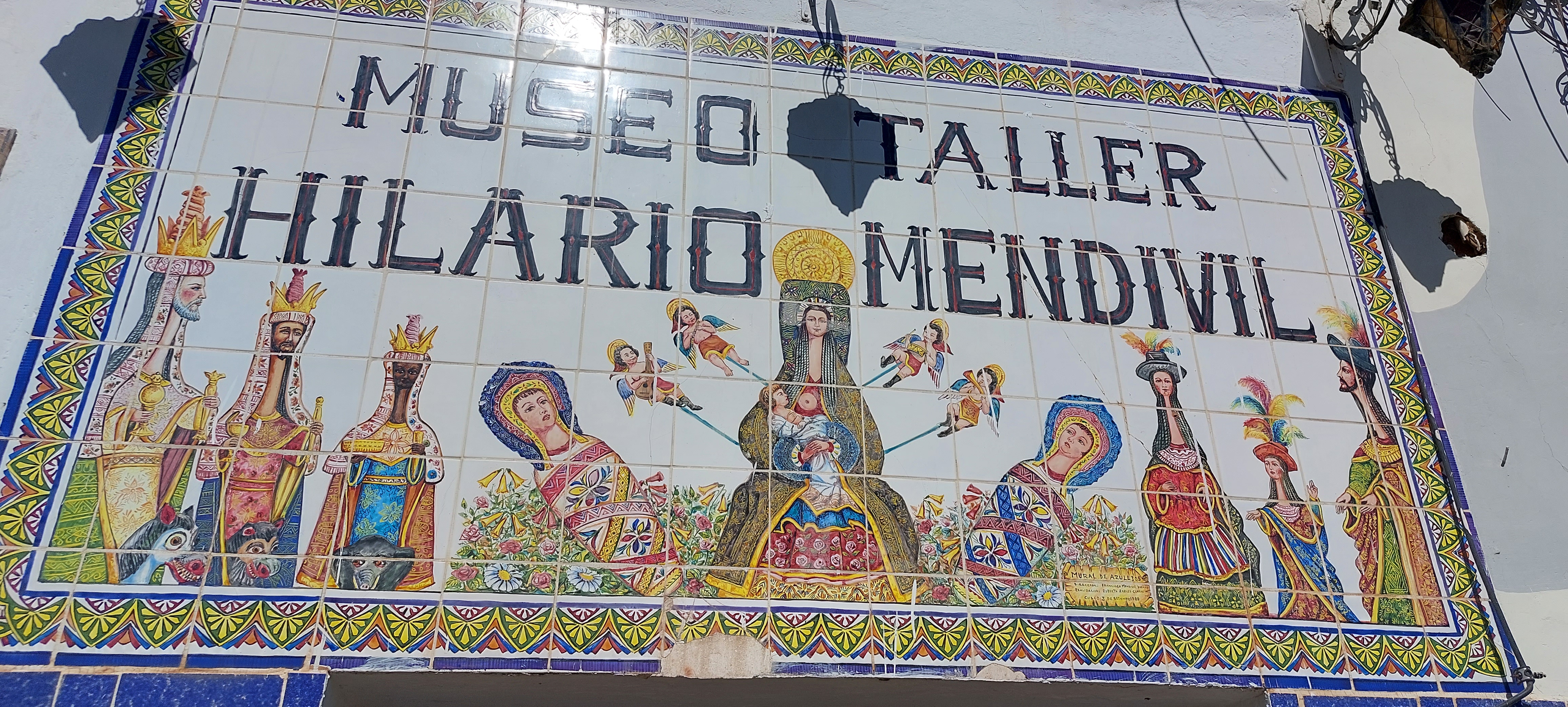
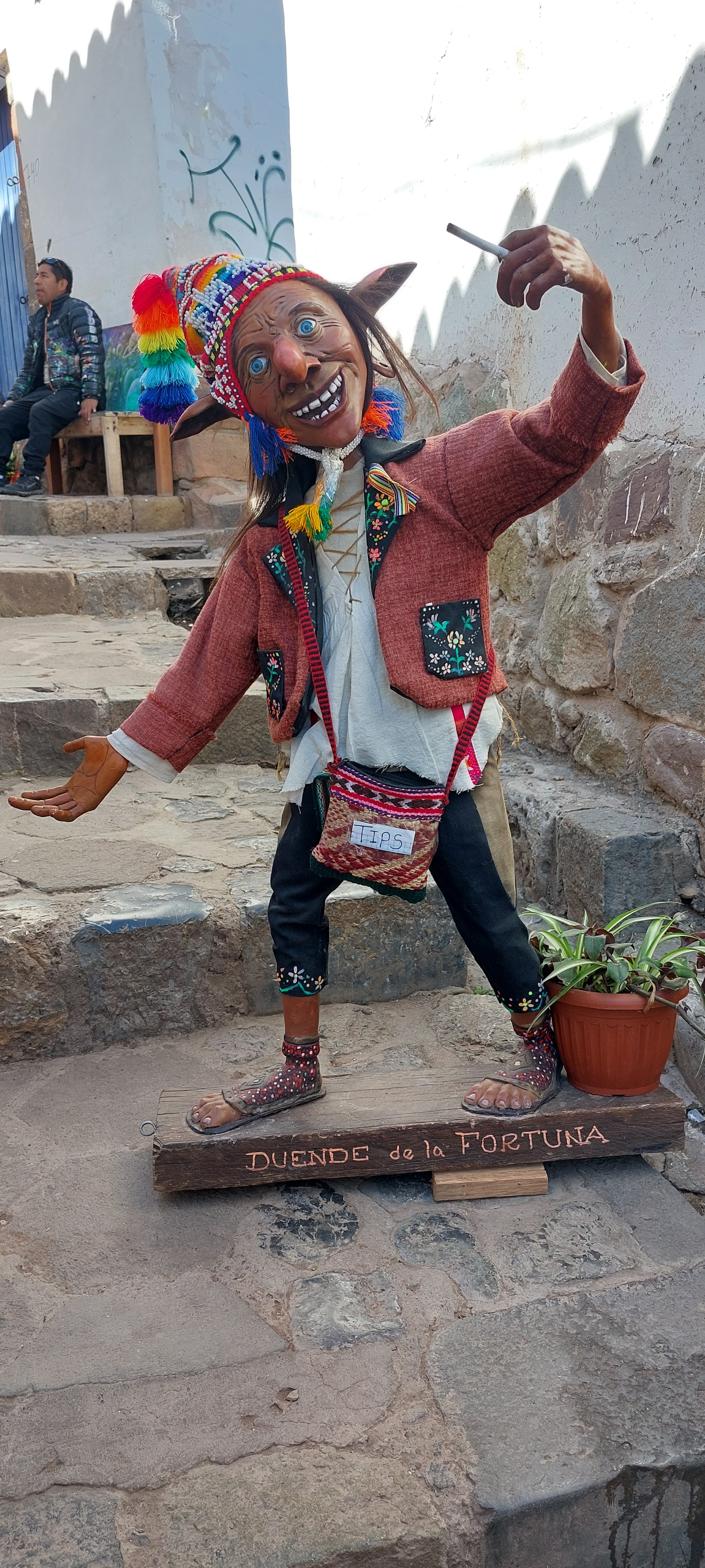

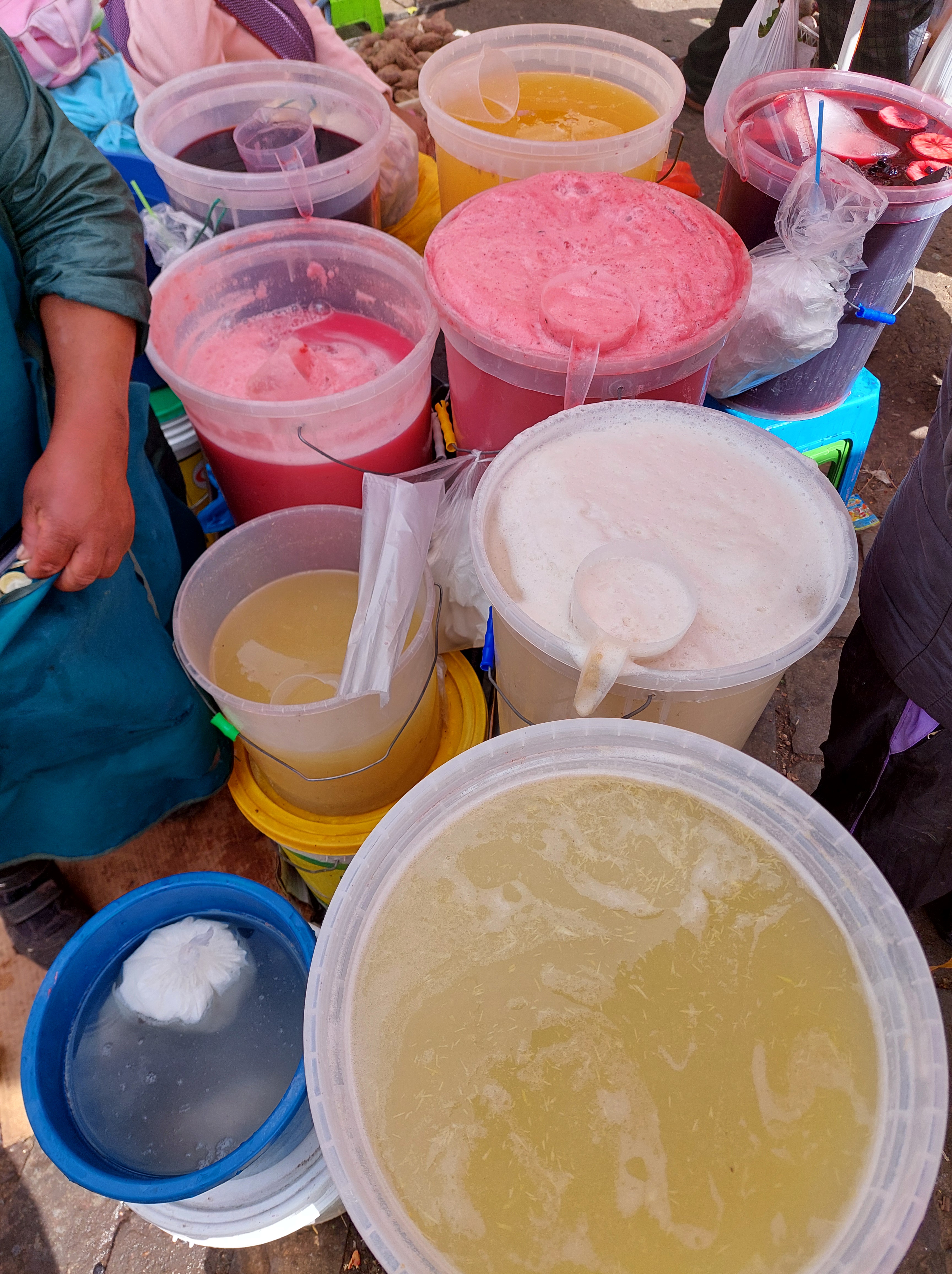
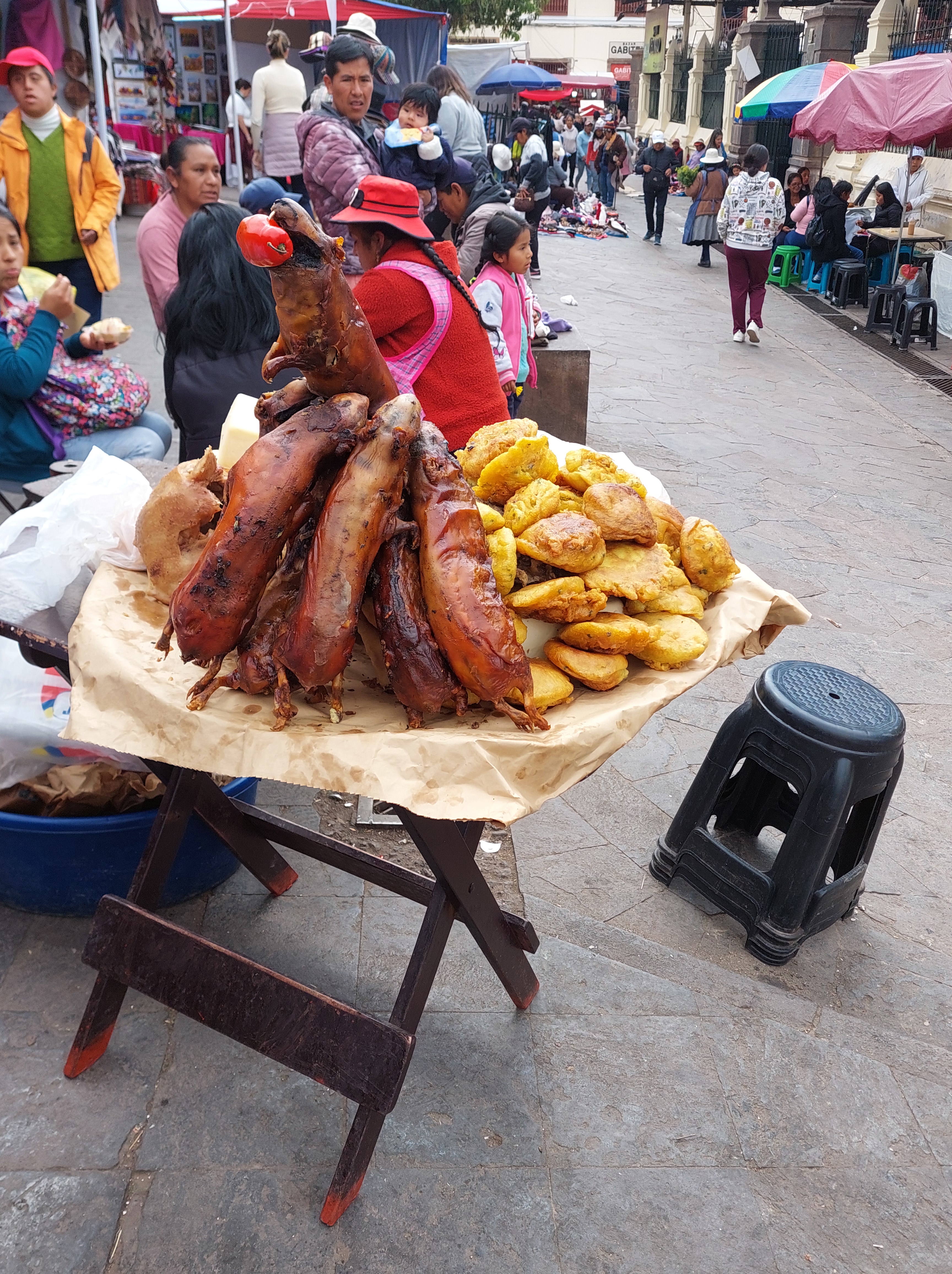
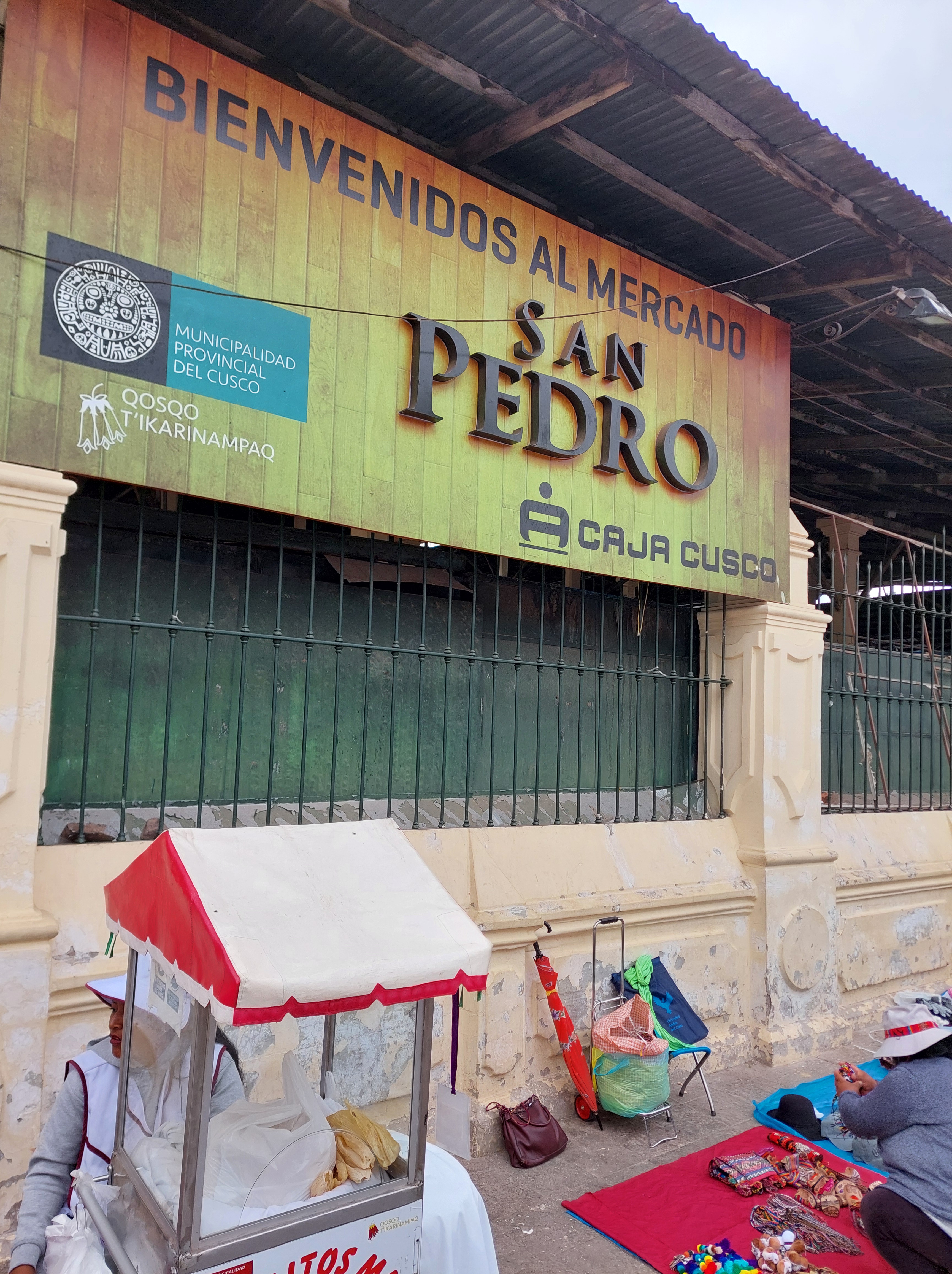
Upon coming back to me ‘senses’, I was able to see the beautiful intermingling of the lived and the imagined aspects of Cusco in the everyday where locals and tourists eat from the same San Pedro Market food stalls. One of the most imagined/staged experience I witness was these two ladies dressed in traditional Quechua clothing holding a little lamb in the city centre. They will approach people asking if they want to take pictures with them and the lamb – of course for a fee. It felt a bit cringe to me but I definitely could see that they were offering a product and service that accords with the tourist imagination of traditional life in Cusco/Peru. I was also pleasantly surprised to encounter a large number of domestic tourists in the city. I was told later that there was a 2 weeks school holiday window during which many Peruvians make the trip to the former capital of the Inca Empire and now the capital of tourism in Peru. It did make me curious to learn about the extent of ‘inflation’ in prices particularly in the local markets frequented by local and tourists alike. It didn’t feel like there was price segregation in terms of tourist prices and local prices but just a single price. Of course it’s a question of how many local residents in Cusco are able to afford these prices in the market.
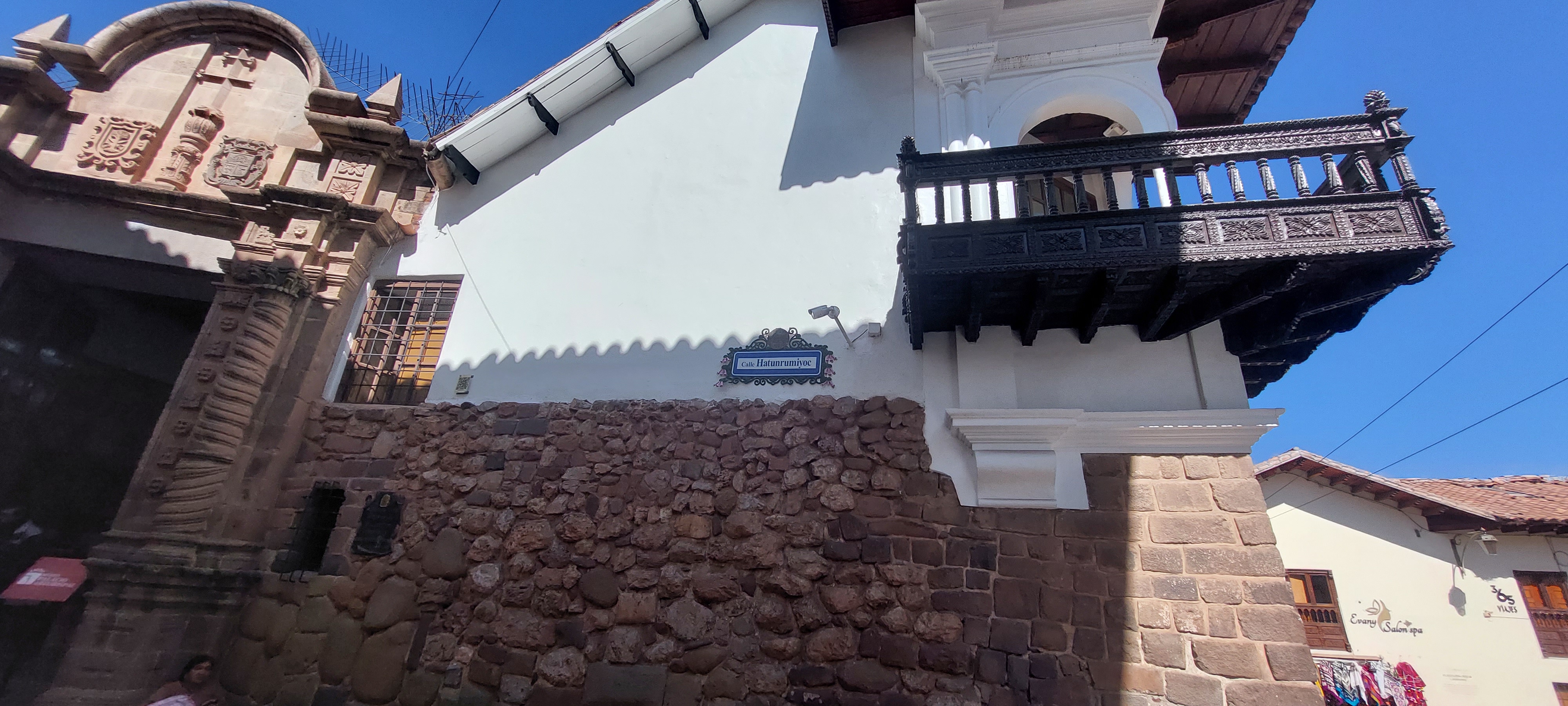
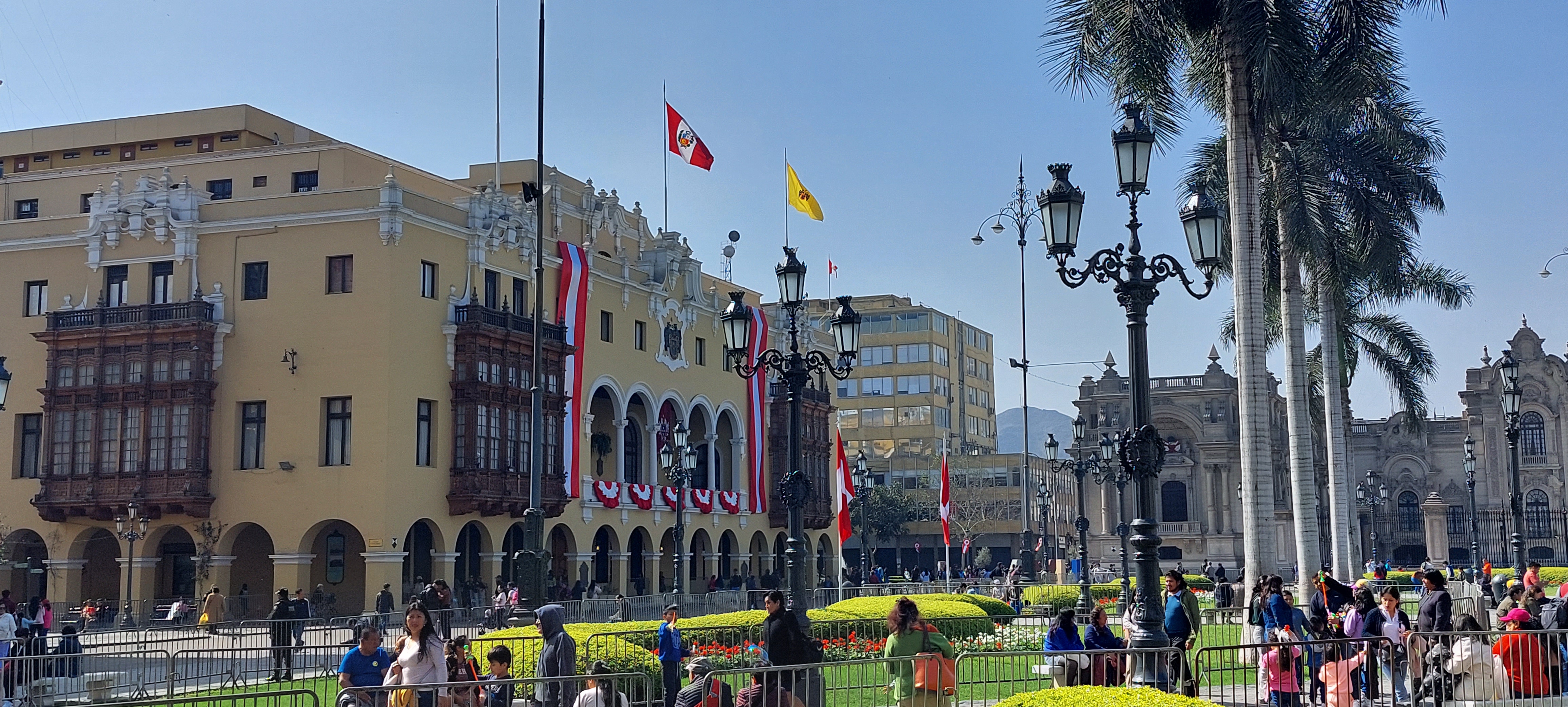
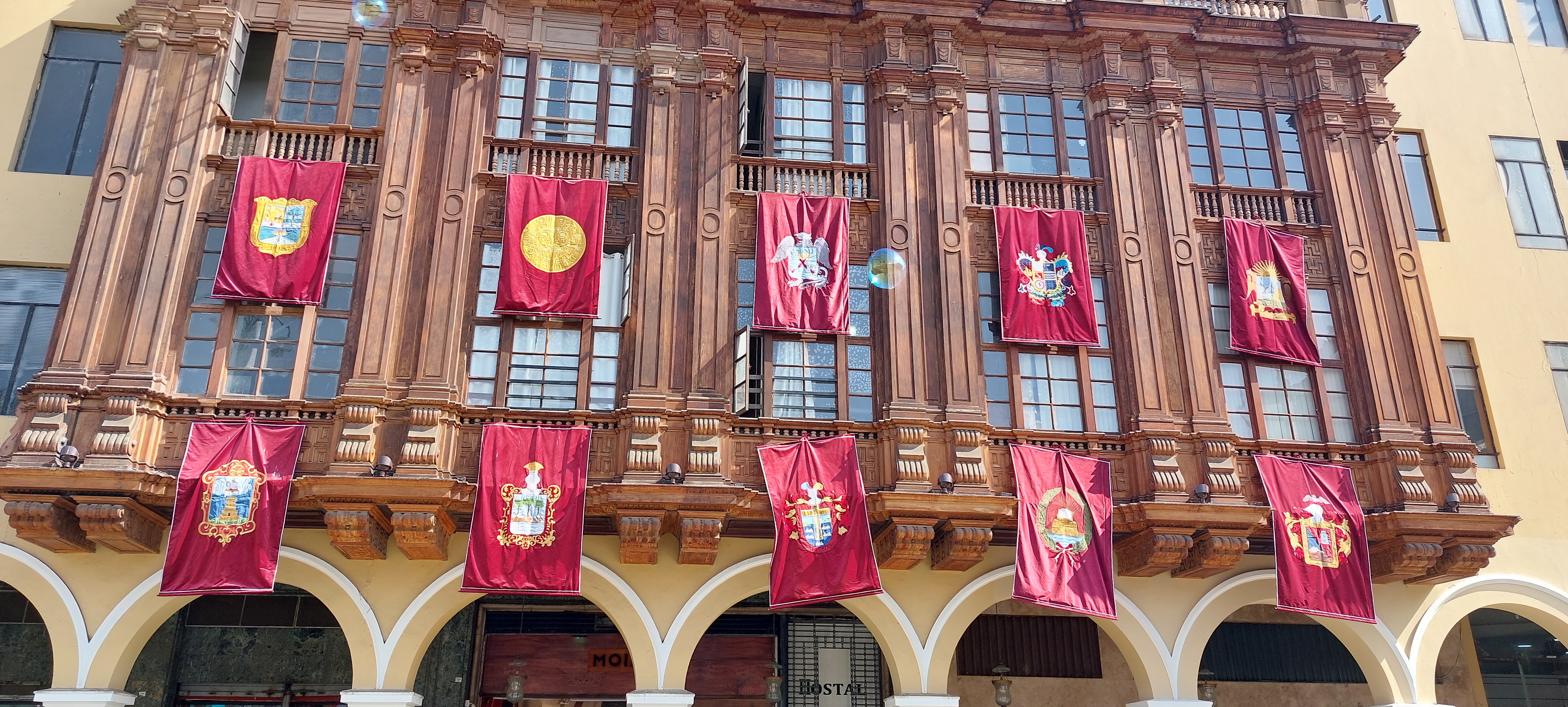
On my last day of acclimatising, I joined an interesting ‘free’ guided walking tour of the city that was mainly focused on the San Blast neighbourhood where the guide lives. I found the guided walking tour to be underwhelming. It didn’t quite meet my expectations but I did give a rather generous donation beyond the suggested amount. As the guide was quick to remind us before the donations began, we need to remember that this is his livelihood and he depends on the income to provide for his family. One of the highlights from the tour was when the guide pointed out the Moorish architectural style in some of the buildings in Cusco – particularly the ‘hanging’ wooden balconies. It was nice to see this circulation of style and influence originating from the Islamic Moorish conquest/Muslim rule on the Iberian Peninsula that travel all the way to South America through Spanish and Portuguese colonial rule. There were also glimpses of this circulation of Moorish influence on Spanish colonial architecture to be seen in Lima.

Just when it was getting more fun, my stay in Cusco was over and I had to begin the epic 3-nights and 4 days trek on the Inca Trail to Machu Picchu. How did that go? Did I survive the Dead Women’s Pass with an altitude of 4215 meters above sea level? Well, I’m here to tell the tale in the final instalment of the Peruvian Posts 😊
 Emmanuel Akwasi Adu-Ampong
Pingback: Peruvian Posts IV: Machu Picchu | Emmanuel Akwasi Adu-Ampong