Increasingly, I have come to describe ‘niche out’ my research work as being focused on the geographies of slavery and colonial heritage tourism in relation to the politics of cultural memory. This niching out process required my search for more (trans-inter) disciplinary grounding for my research. It is in this light that I arrived at Memory Studies. Under different circumstances and in a parallel universe, I could easily see myself studying for my fourth masters qualification by enrolling on an MA Memory Studies programme. But the times are achanging and these times are different which calls for different approaches. I now have to study and learn all that I can about the concepts and theorisations used in Memory Studies without the extra benefit of another degree. Thus, attending the Memory Studies Association (MSA) 2024 Conference appeared to offer me a great headstart opportunity for learning, networking and having fun with those working in this area. Of course, of course, the location was also a prime attraction 😊
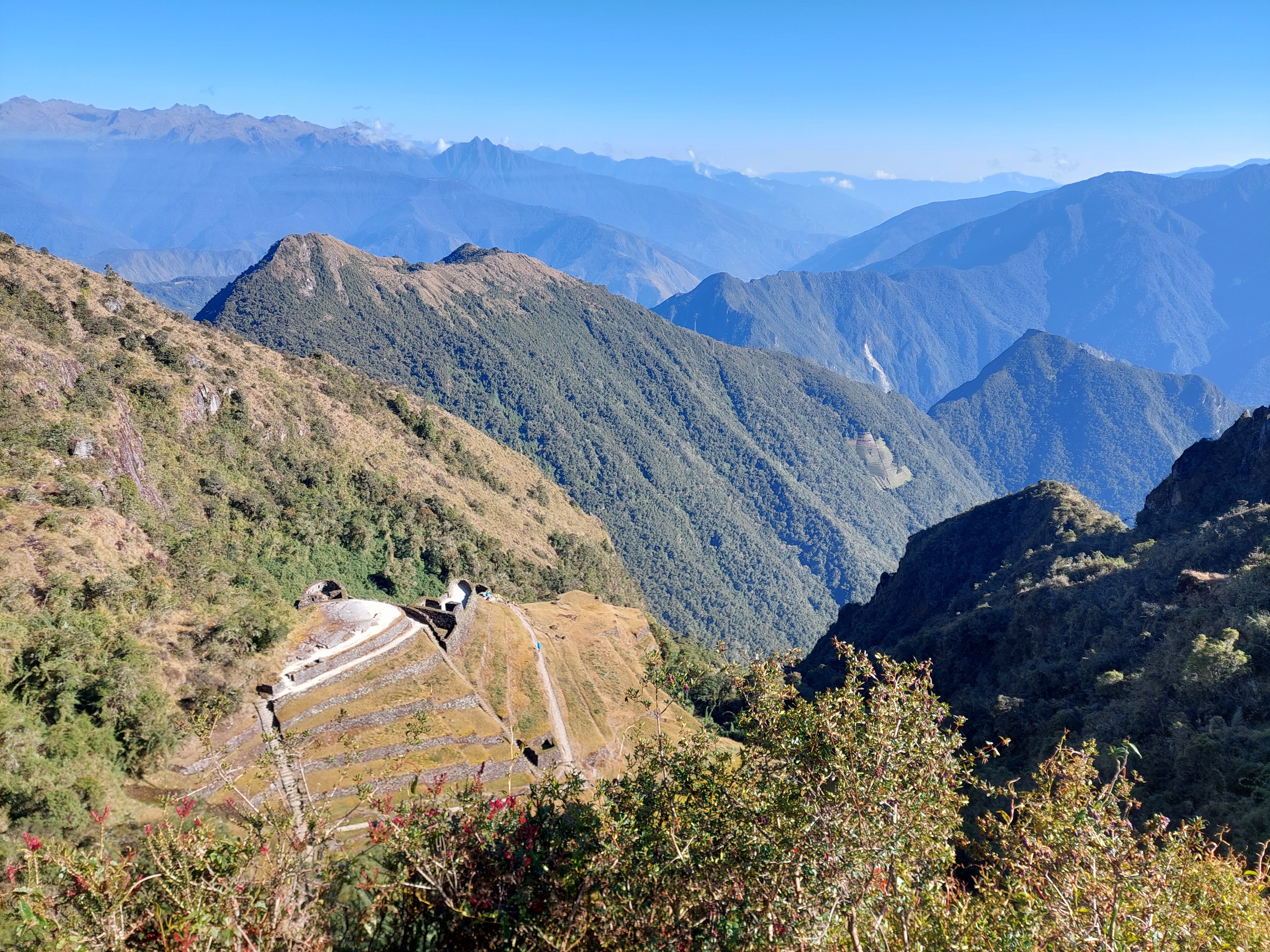

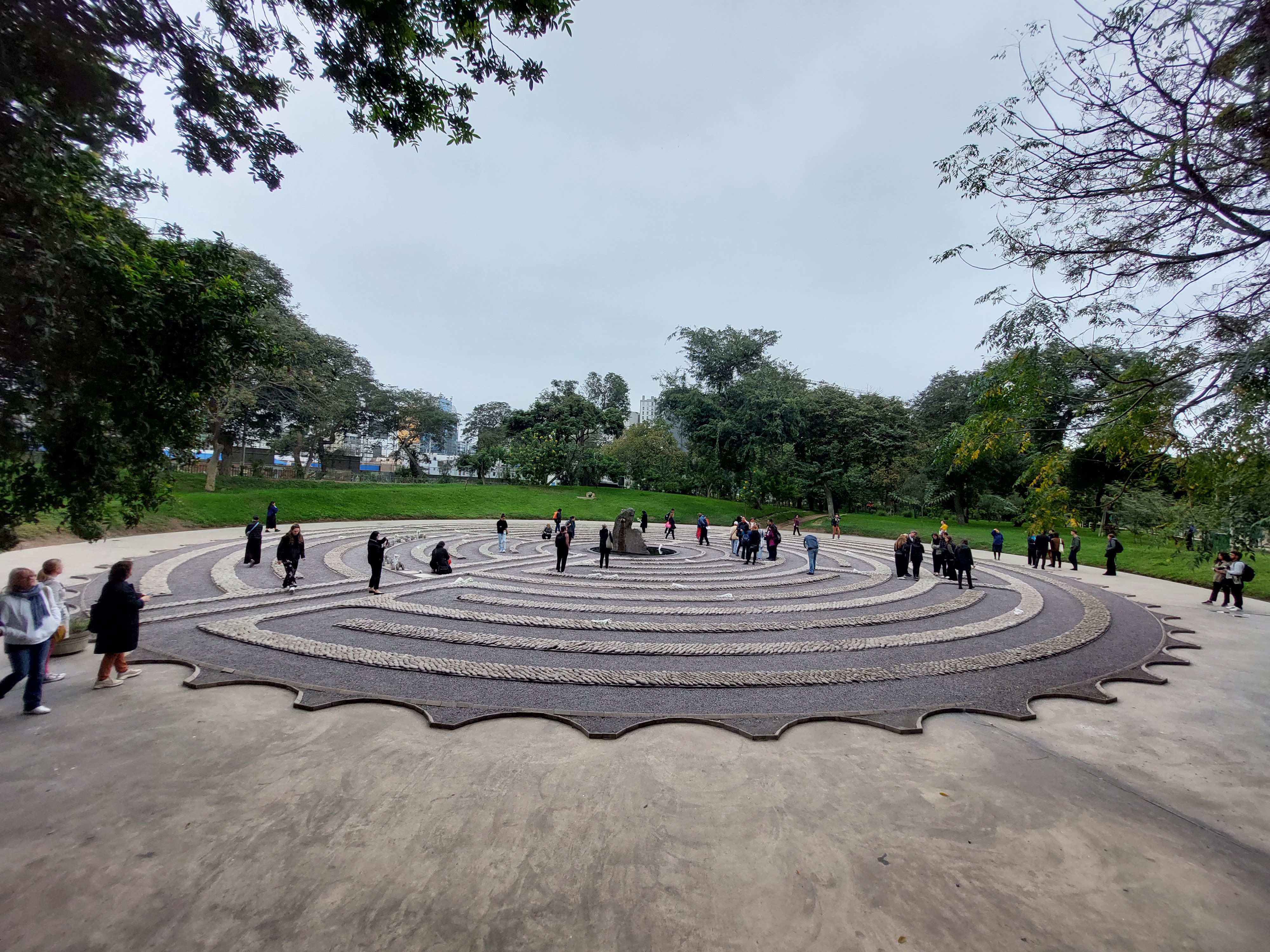
The Andean country of Peru with its capital of Lima was the location of the MSA 2024 Annual Conference. Between 17 – 20 July, we were hosted on the beautiful campus of the Pontifical Catholic University of Peru (PCUP) in the San Miguel district of Lima. Lima, the capital city of Peru, is the only capital city in Latin America to be located on the Pacific coast. Peru, I’ve now come to learn, has a pretty intense contemporary (violent) history – not least the facts about its civil wars in the very recent part. I got to learn a bit more about the country and city through the Memory Route tour that was organised on the first day by the wonderful host team at PCUP. We got to hear about the killed and the disappeared victims of the various moments of civil wars in the country’s history. As memory scholars, we were invited to participate in the process of memorialisation by laying flowers at ‘The Eye that Cries’ Memorial in Lima.
The MSA 2024 Conference in terms of the contents, conversations and connections, represent one of the very best conferences I have attended in a long while. The serendipity of the chance encounters and chance conversations that suddenly weaves us into a network because we have a shared contact, shared research interests and a shared penchant for intellectually stimulating conversations was as much intoxicating as they were invigorating. Add to this was the long nights of chats and the right amount of humour with which to take the piss out of each other. The sessions I attended were enjoyable and generative in terms of new ideas.
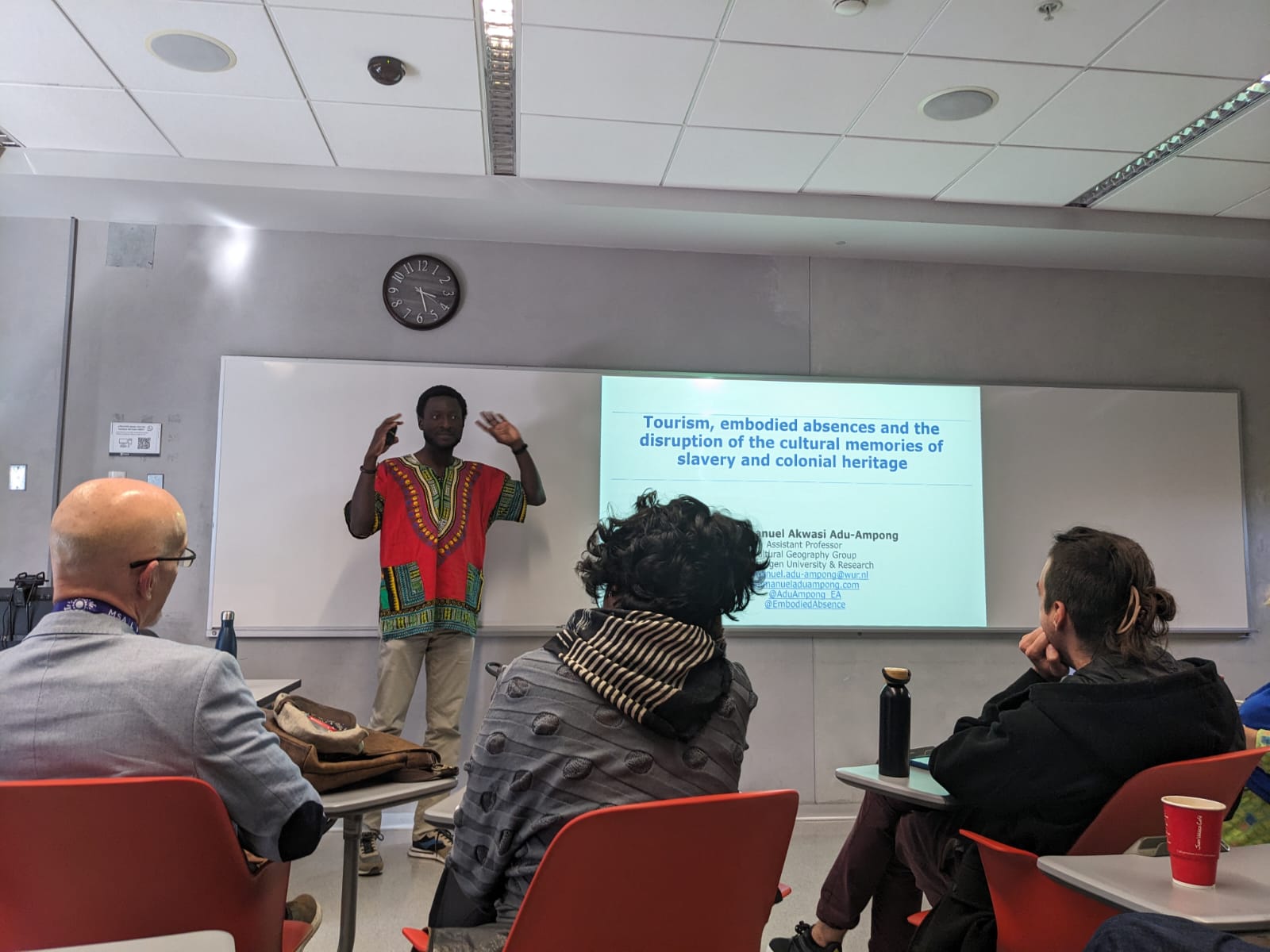
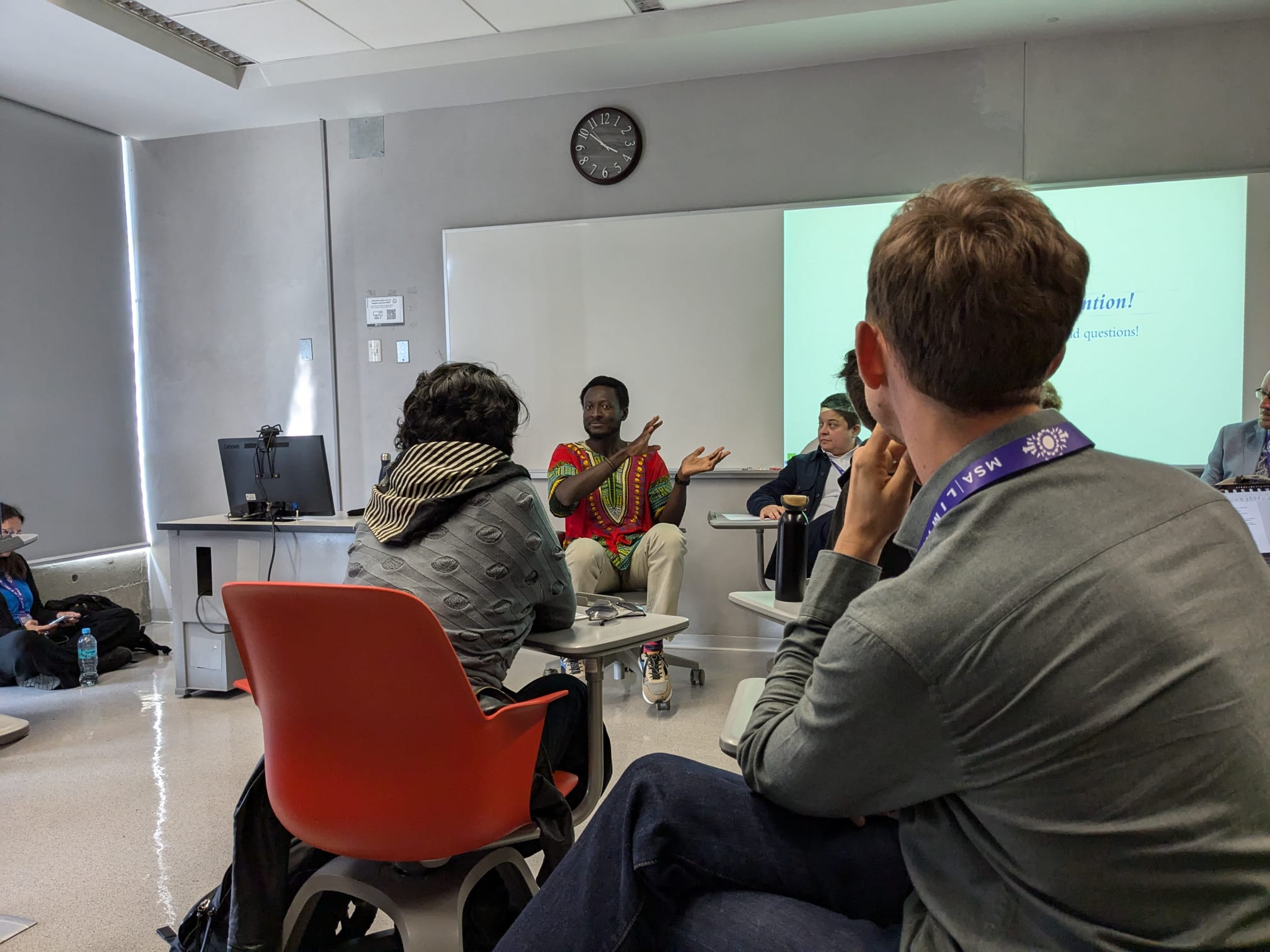
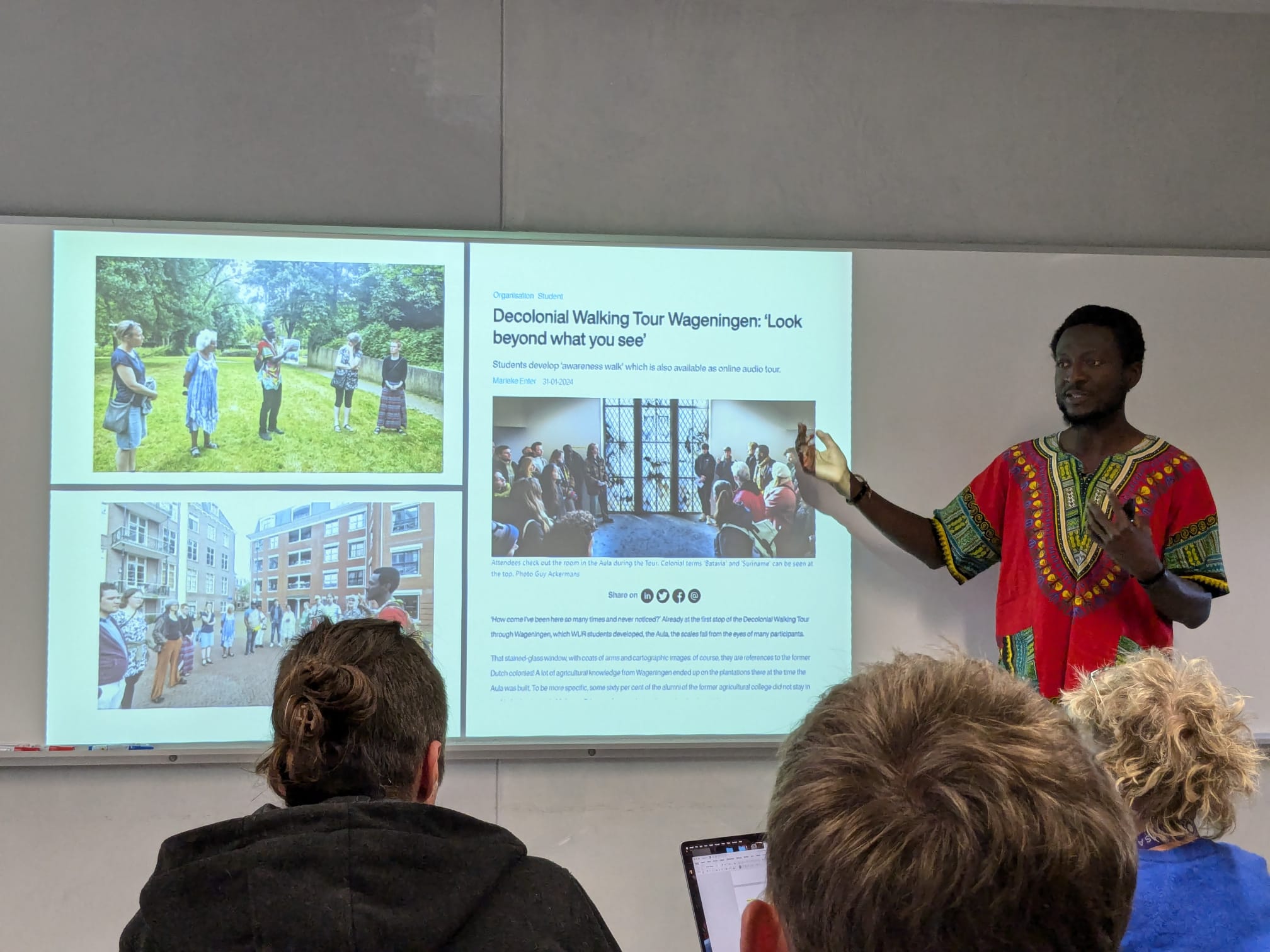
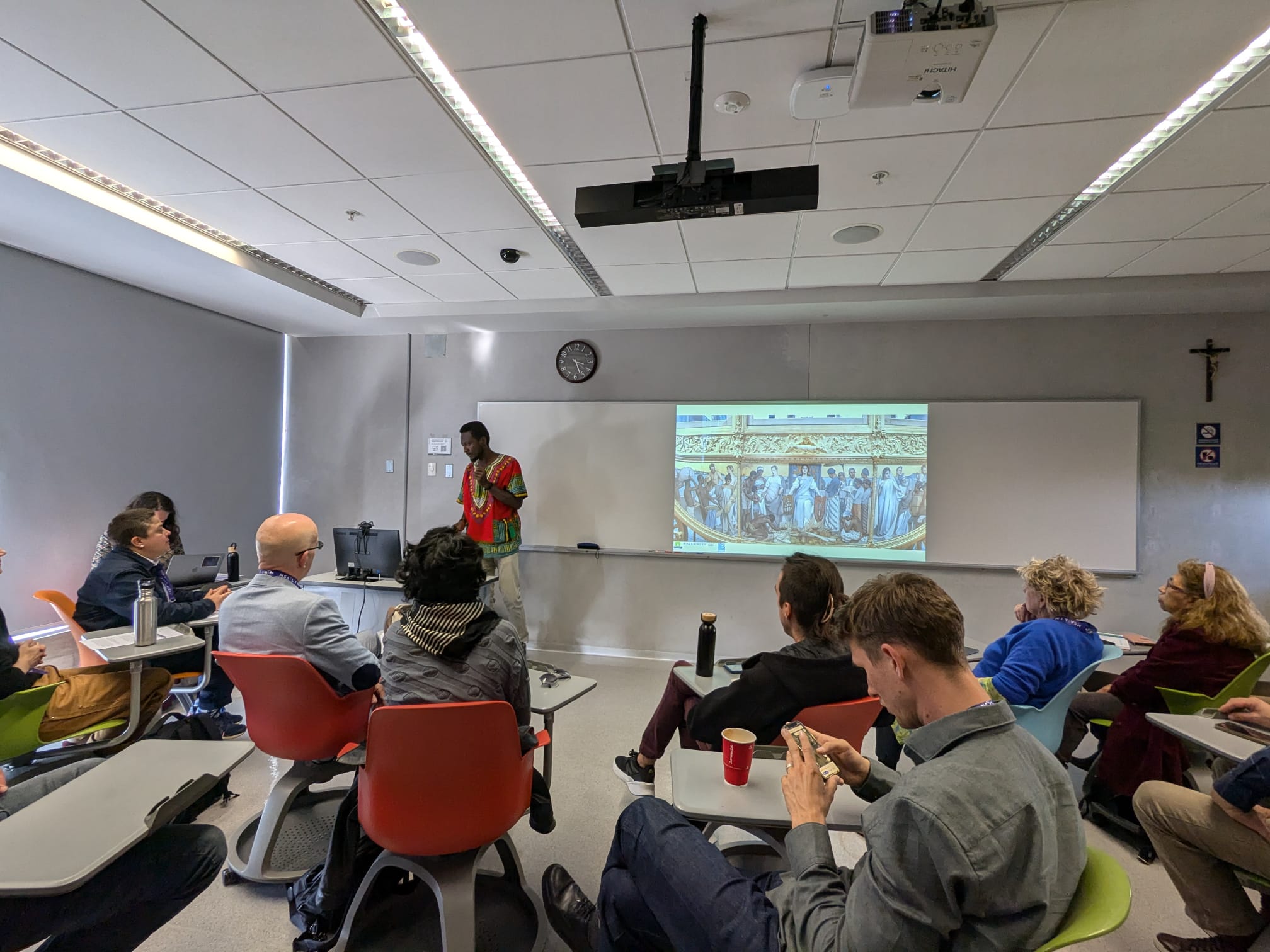
I almost missed out on my own presentation panel because I had somehow gotten it into my head that my session was on the last day of the conference. Thus on the second day of the conference, I had planned to skip the afternoon sessions in order to become a tourist exploring the old historical city centre of Lima. This is why it is not good to skip conference sessions because I would have missed my session. I was saved from this through a series of serendipitous acts and the timely reminder insistence from Kaya – a newly made acquitance at the conference. During the first morning panel session we attended, she told me she was looking forward to my session in the afternoon. I told her she must be mistaken as my session was the next day. She insisted otherwise and she was right after all when we checked the conference schedule. It took a while but I managed to get my head away from my planned tourist adventures and bring it into the right frame of mind for the presentation. In the end, my own presentation went well and the panel discussion that followed was exciting, engaging and critical in a very generative manner. I thoroughly enjoyed the session and the conference as a whole which in my view was fully worth it. I got many informal invitations to come and present my research at various institutional contexts – fingers crossed how these things develop.
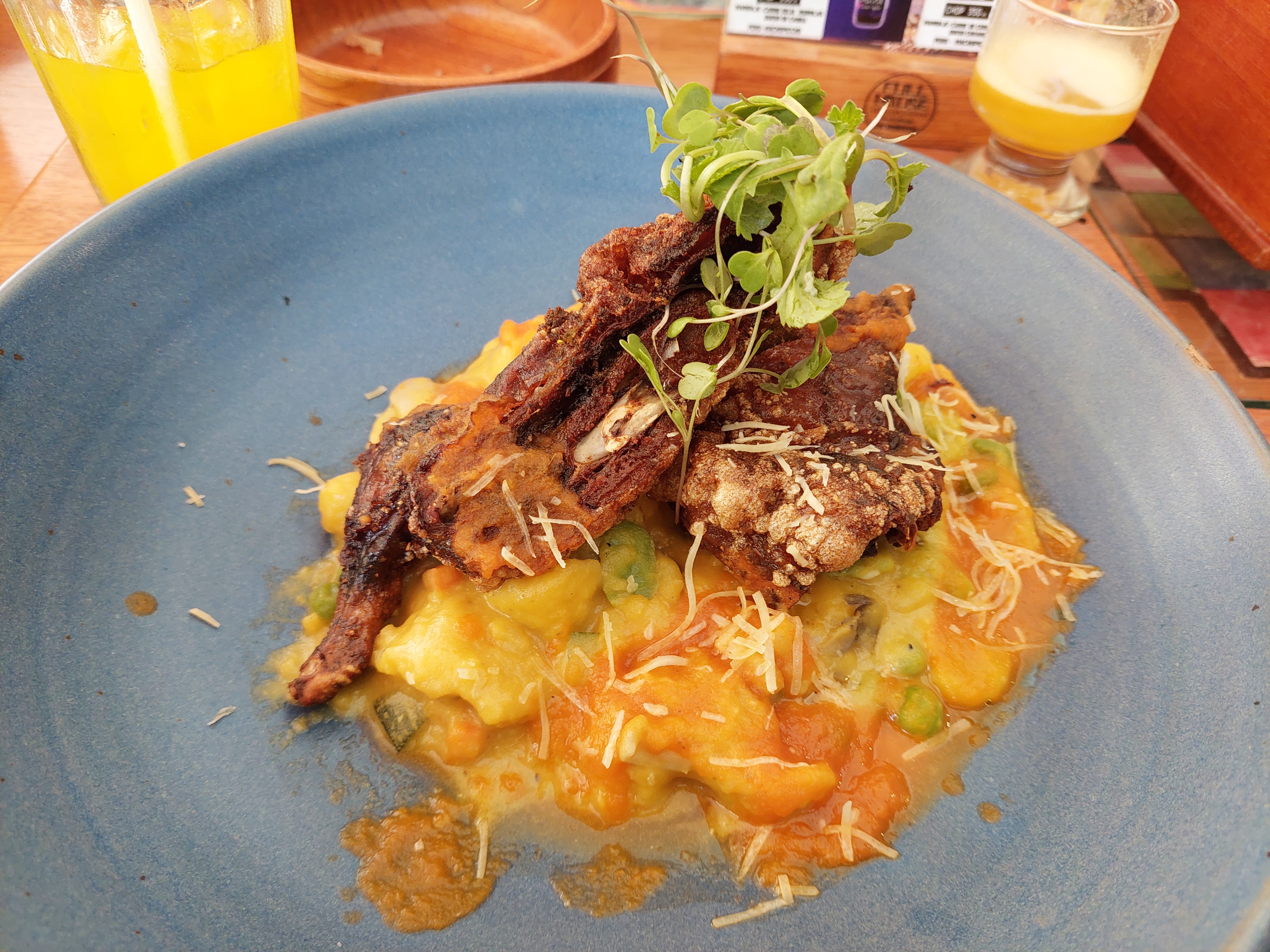
Given the touted Peruvian cuisine, I was expecting to have some warm delicious conference lunches and perhaps a conference dinner. But these two things didn’t happen so that was a bit of a disappointment. We did have the option on the first 2 days to buy warm lunches in one of the campus cafeteria if the provided sandwiches was not enough. I did manage to savour the tastes of a range of traditional Peruvian cuisine over the course of the period I spent in Peru – but that’s a story for the next Peruvian Post.
 Emmanuel Akwasi Adu-Ampong
Pingback: Peruvian Posts II: the missed flight and an unending unfolding airport drama lost in’Spanglish’ translation | Emmanuel Akwasi Adu-Ampong
Pingback: Peruvian Posts III: Cusco as an imagined destination vs. Cusco as a lived destination | Emmanuel Akwasi Adu-Ampong
Pingback: Peruvian Posts IV: Machu Picchu | Emmanuel Akwasi Adu-Ampong