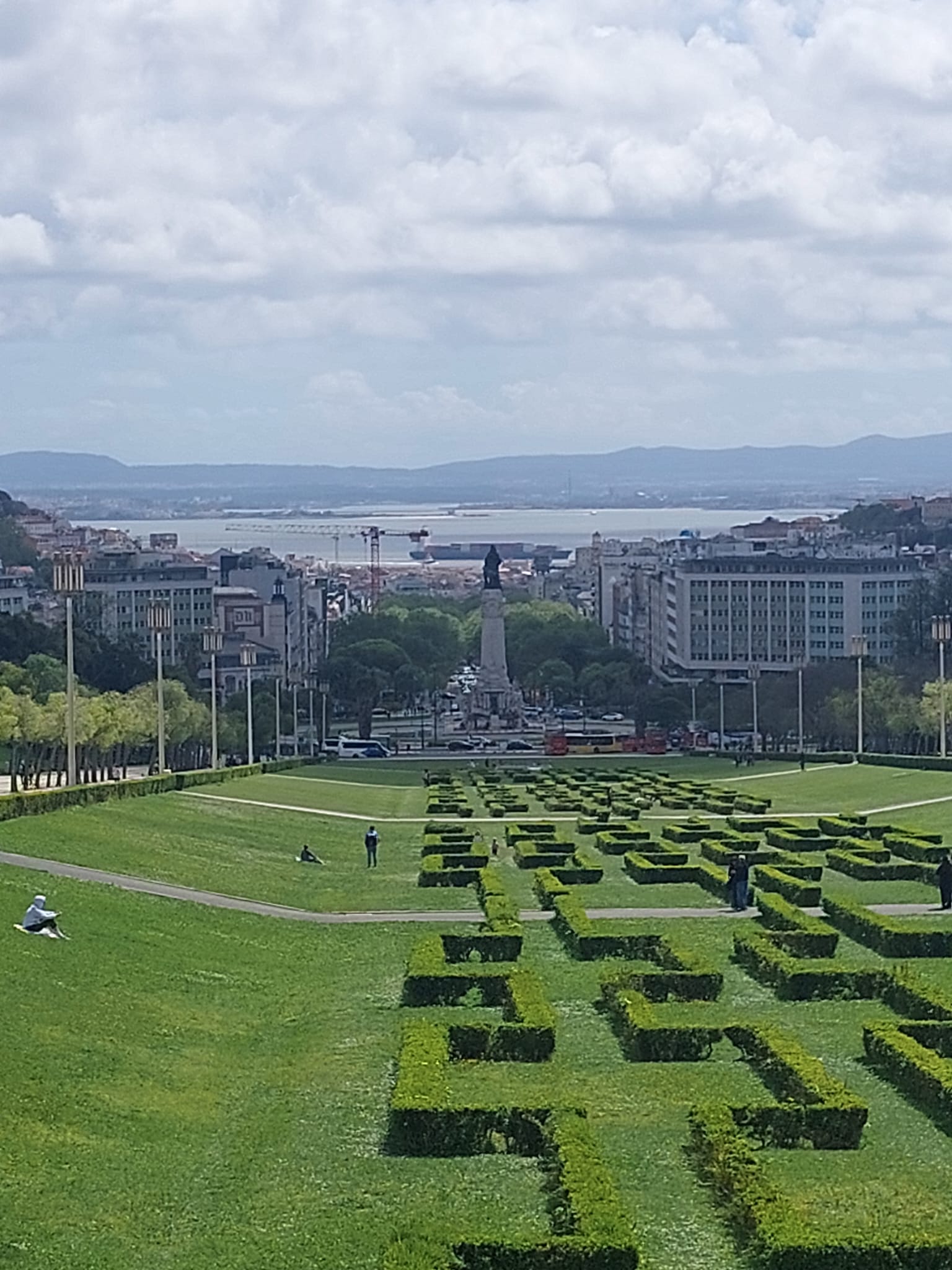
The second day of fieldwork started off with a bright sunny promise but alas it did not last long before it started pouring. I did at least manage to caught some sunshine in the morning as I wandered around with no particular itinerary. One of the things I enjoyed doing in a new city is to get on a bus/metro, get off at a random stop and just walk any-which-way in order to get myself lost with no planned route. This helps me to get off the beaten track – only to get back on the track again because many places in the city of Lisbon have been rendered as leisure/tourism spaces. As I had few hours to myself in the morning, I wandered around and ended at the Parque Eduardo (Edward VII Park) which is a public park. Here I took a seat to observe the tourist/leisure behaviour as it unfolded with the picture taking tourists, leisure runners, dog walkers and the many groups of people who make use of the park.
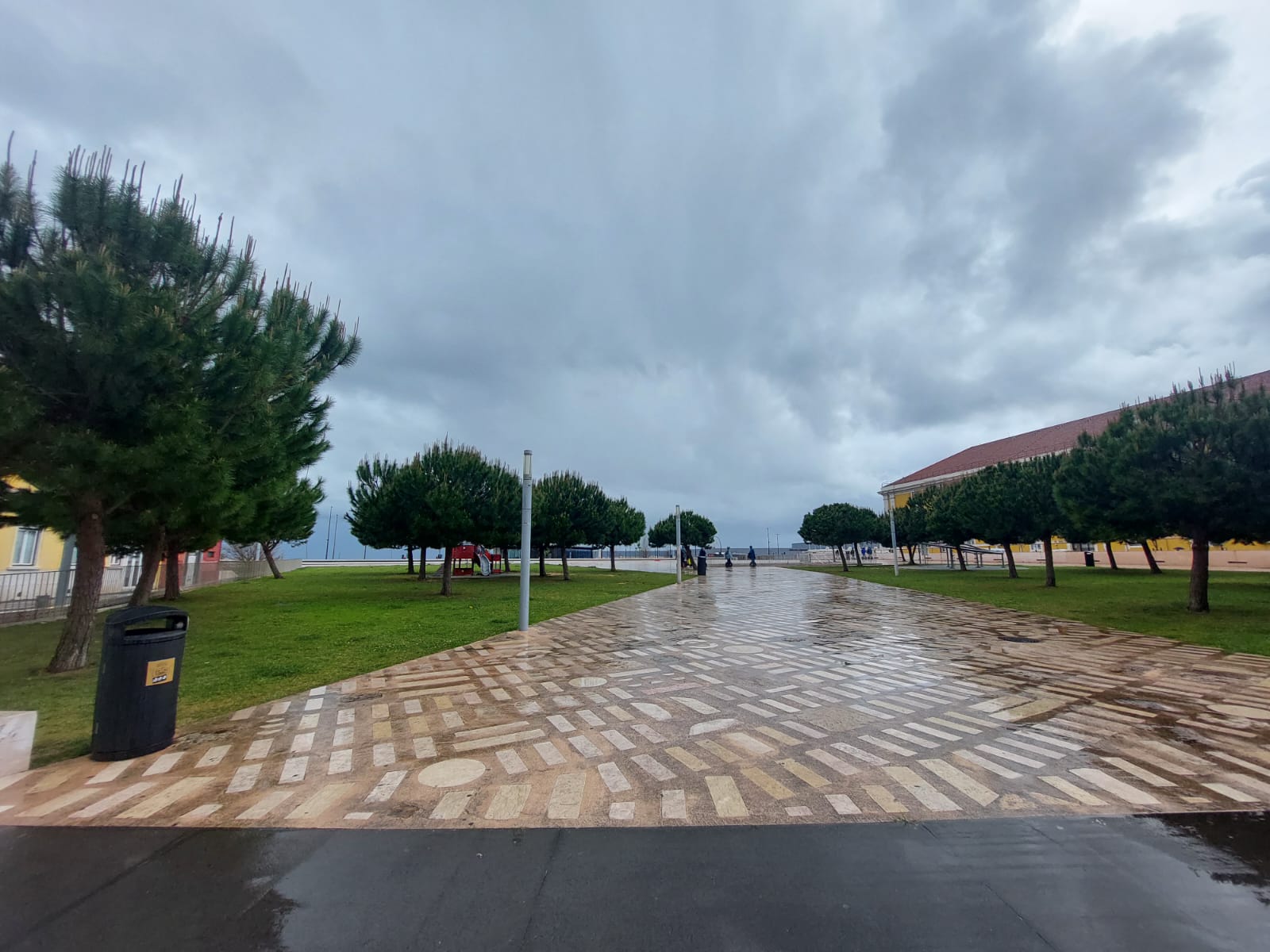
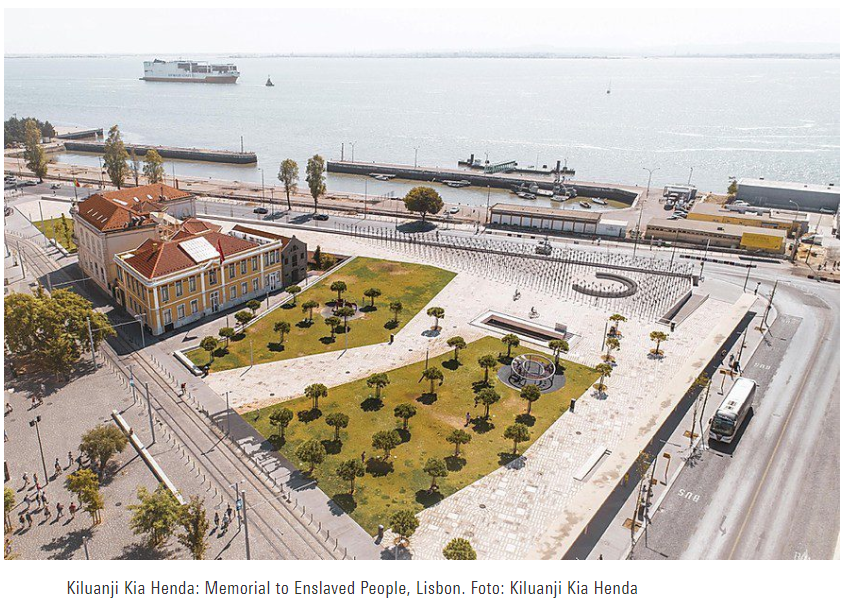
I then made my way to Alfama half by walking and half by bus. I wanted to revisit some of the sites from yesterday’s tour. I spent some time at the site of what is supposed to become the site of the “Memorial in Homage to Enslaved Persons” in Lisbon (the first slavery memorial in Portugal). It has been more than six years since this memorial was proposed and funds awarded but it is yet to see the light of day. Here are some links covering the story about the memorial and some of the reasons for the day.
https://www.reuters.com/world/europe/lisbon-mayor-accused-boycotting-slavery-memorial-2023-07-01
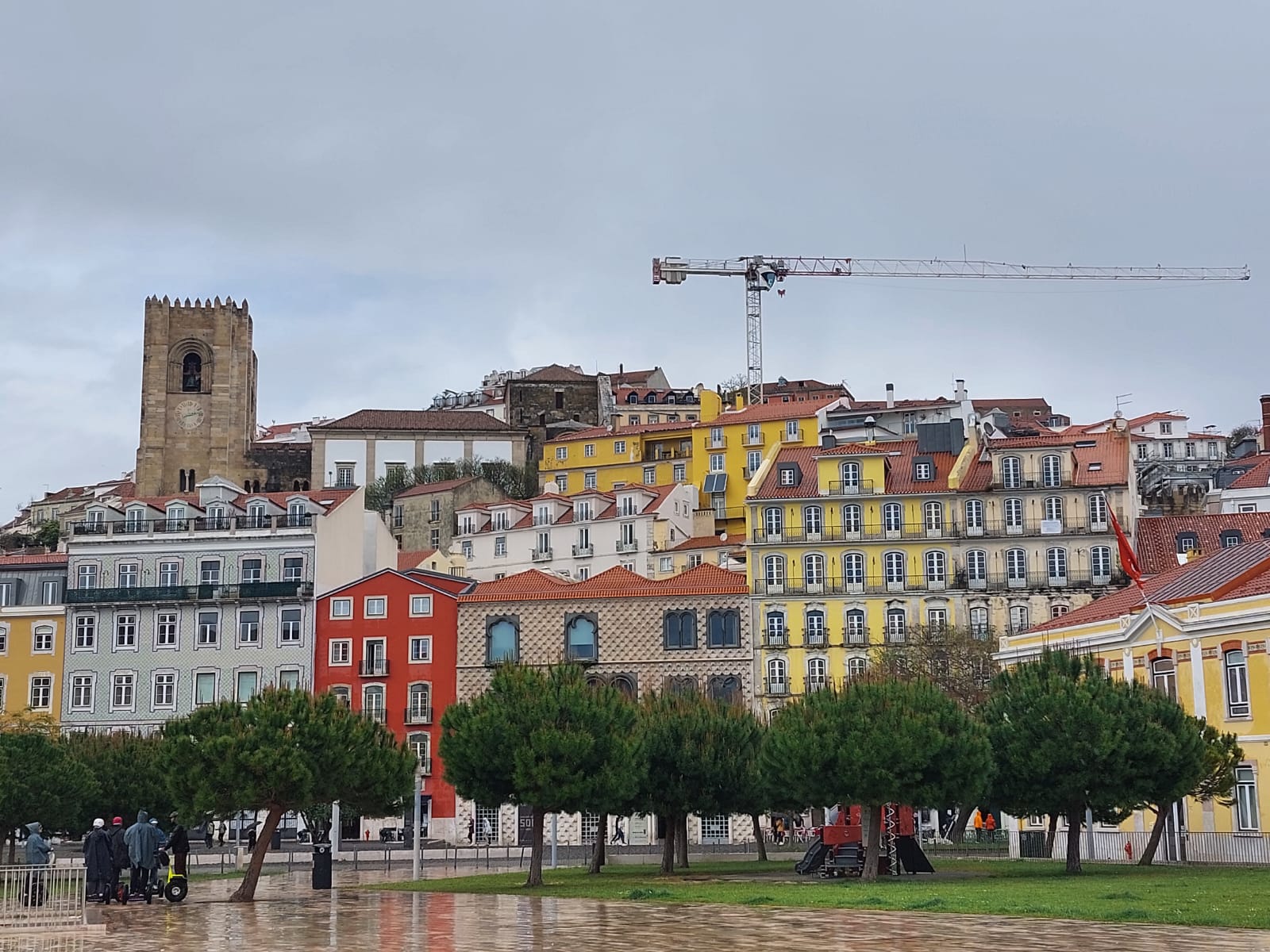
In the afternoon, I joined Naky for the African Lisbon Tour which is 4-hour walk tour which covers the history of Portugal from the 15th Century, the beginning of the Transatlantic Slave Trade, to its abolition in the 20th Century, Portugal’s colonialism and contemporary issues in Portuguese society vis-a-vis people of African descent, their history, heritage and absence presence in Portuguese cultural imaginary. It was again an engaging tour on which I learnt more and gained insights into the very practices of tourism and how tour guides as Naky perform to bring to life the heritage-memory narratives. I will unpack this more at some time…
When we got the Pai Paulino bust across the São Domingos square, Naky made a rather poignant remark about the unveiling of the bust in January 2024. He noted how many personalities in Lisbon’s socio-cultural and political circles showed up for the photo-op despite not being always supportive (and sometimes even been antagonistic) to cause of African heritage representation and related contempoary issues. He juxtaposed this to the failure of the Lisbon city (Mayor) council to realise the implementation of the long overdue “Memorial in Homage to Enslaved Persons“. While he did not explicitly state it, he made a number of references to show his own direct involvement in societal discussions around this issue beyond his role as a tour guide. This is of course something that I will be exploring with him in our planned interview as I am interested to see how tour guides like him move through multiple spaces in relation to societal discussions on the embodied absence of the past. I didn’t get to do the interview because we were both tired after the 4-hour walking tour which ended with a dinner at the MAMBO African restaurant.
The challenge of representation and also of fieldwork therefore goes on….
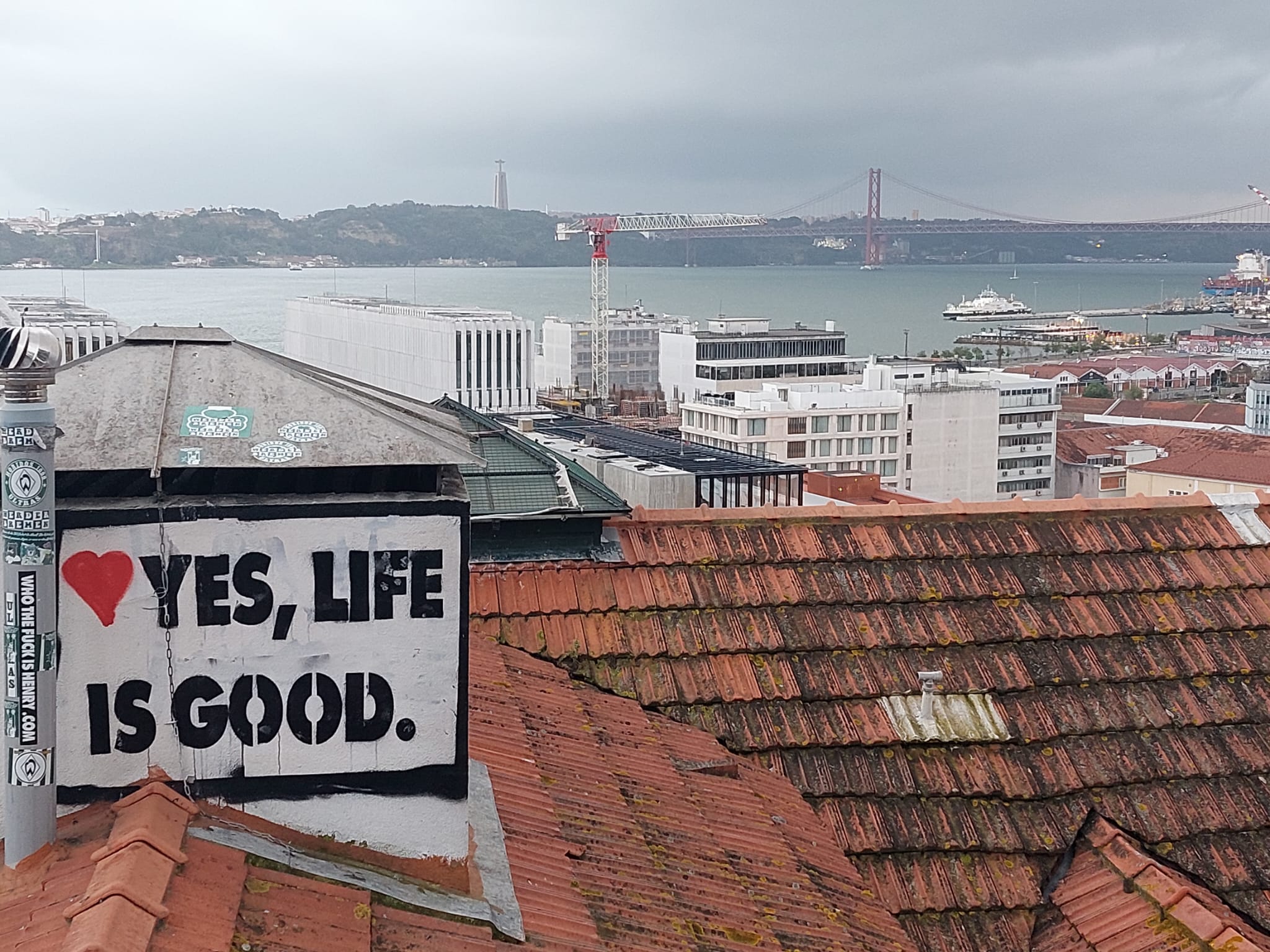
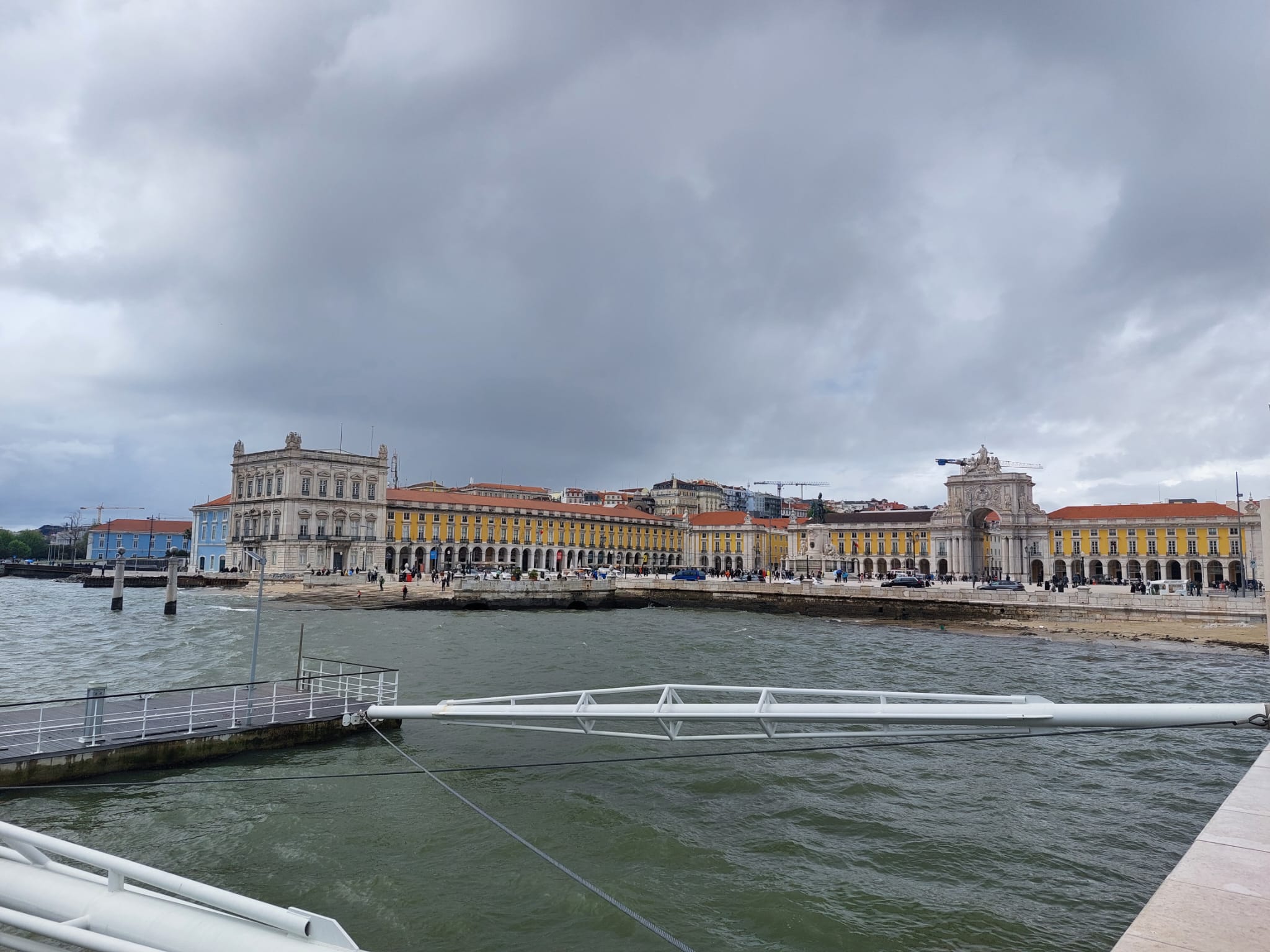
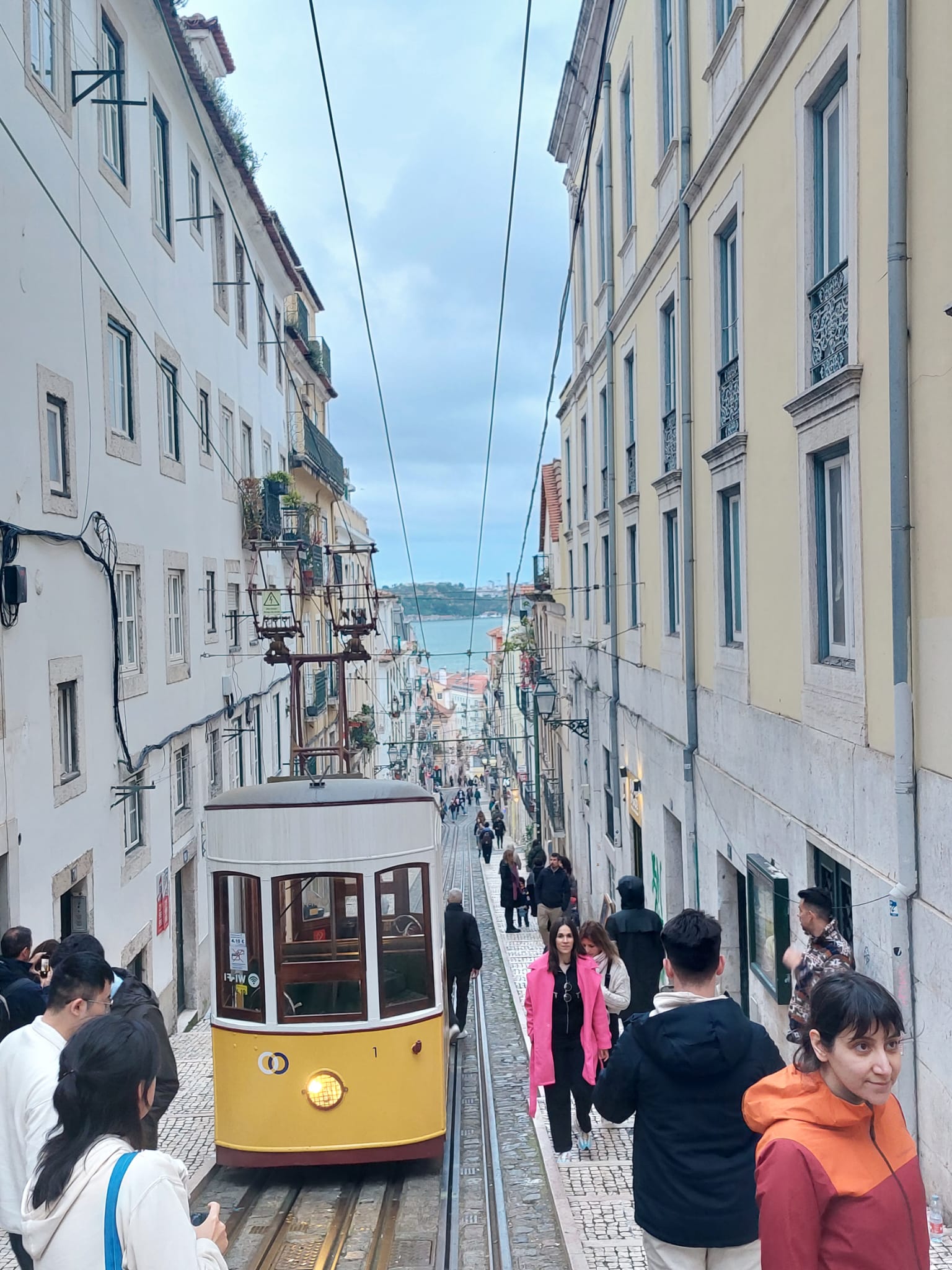
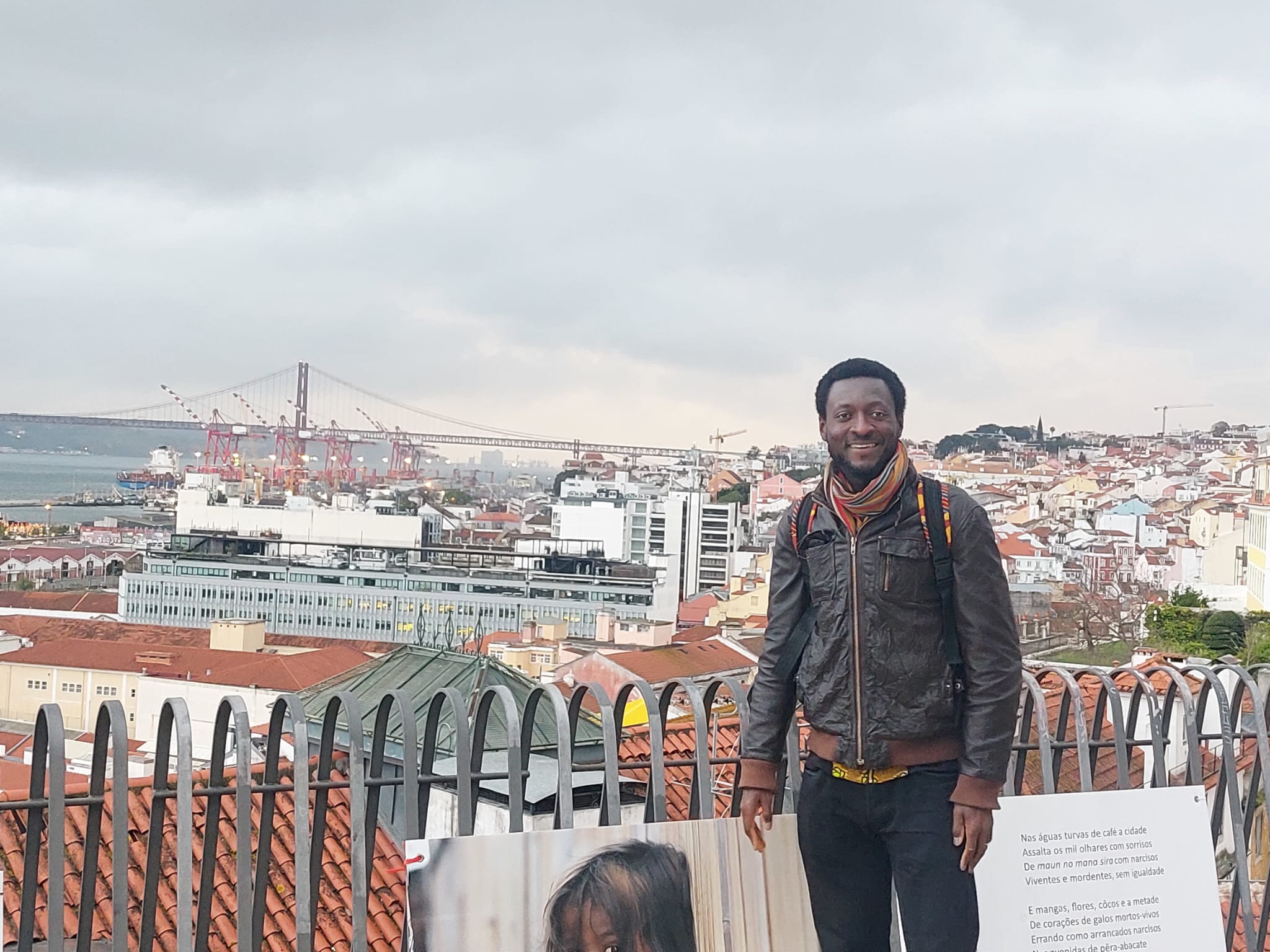
Here are some picture highlights from Day 2 of fieldwork…
Unlike yesterday’s sunny start to Day 2 of fieldwork, this morning’s Day 3 starts with pouring rain. But time is not on my side so I’m heading into the day with my umbrella and off to discover the monument of discoveries before another 4-hour walking tour in the afternoon.
 Emmanuel Akwasi Adu-Ampong