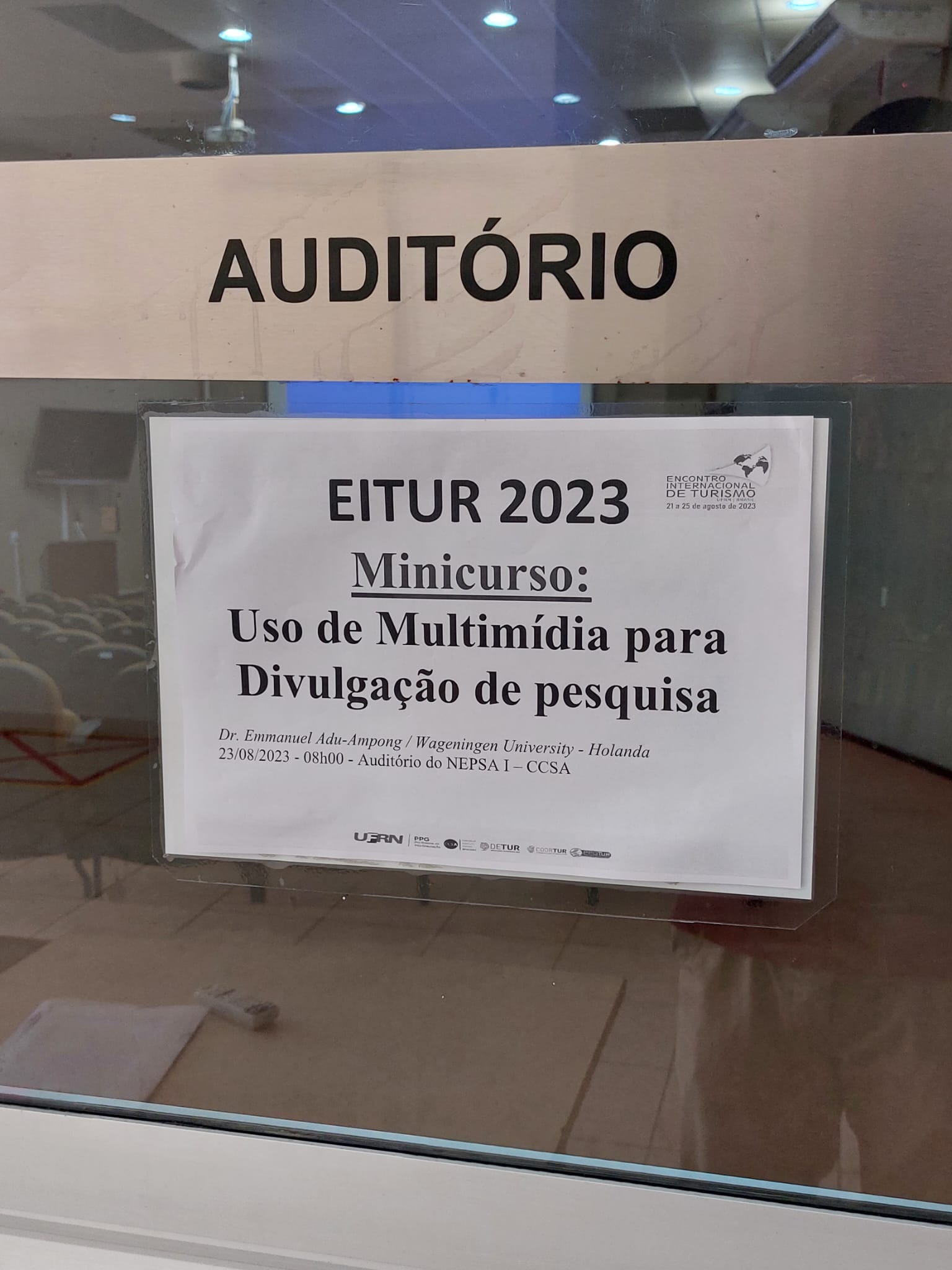
In this third instalment of the Natal Notes, I want to briefly reflect on the first half of my 2nd week stay at the Department of Tourism of the Federal University of Rio Grande do Norte (UFRN) in Natal, Brazil. I title this reflection as ‘the worldmaking possibilities of liminal spaces in academia’. This is a nod to the workshop session on ‘Using multimedia to disseminate research’ that I co-led with Mozart at the EITUR conference as well as the interactions that ensued after my keynote address on the opening day of the conference.
Firstly, some quick notes on my keynote. It was an exciting and positively nervous occasion at the start. I often get the “butterflies in my stomach” feeling on such occasion which is a good feeling because it means that I’m fired up. The official opening of the conference was quite an experience for me and gave me a part initiation into the ways of Brazilian academic culture. I did feel that I was in a liminal space during this period. One highlight was when the Brazilian national anthem was played and sang by those present in the auditorium. It was sweet and impressive – and for a moment, I felt we were about to witness a football match 🙂 It was later explained to me that given that UFRN is a federal university and the conference was a public event, there is a requirement for the national anthem to be played.
My keynote address went well and was well received. I delivered in Portuguese English without the need for simultaneous translation. I made double sides of English and Portuguese text so that everyone can follow. There were a number of very probing questions and remarks from the audience leading to a lively discussion. The questions had to be written down on paper and passed on to the moderator. This meant that questions were precise and we could address more question. The lesson I learned which might be useful for other conference occasions is to ask people to write their questions on paper. This prevents that usual case of giving people with question(s) the microphone at an event who will go on and on forever only for them to say, ‘actually this is more of a comment than a question’ 🙂 You can watch a playback of the keynote address through this Youtube link (my keynote starts from 37.00mins onward)
During the workshop on dissemination of research using multimedia formats we got into a lively and extended discussion about the question of research and the why of it. What is research? Why do we carry out research? What is the role of the university in society? How do we bridge the divergence between societal needs and academic research? Is the university still an ivory tower or does society see academic as an accessible place? What is the role of knowledge in academic-societal relations? Does our research reinforce the world of inequalities, extraction and exploitation? Do we, and can we, and should we, and how should/could we use research as a worldmaking process in giving voice to the underrepresented? How can we use research to highlight alternative ways of being, living and doing? etc.
In our discussion, we noted how researchers in the ‘field’ working closely with communities occupy liminal spaces through which they can shape the worlds of groups of people as well as academia itself. We make the world through what we research, what we write about and how we go about the research process. To craft the world of positive possibilities depend on how open we are as researchers to see differently, hear openly and report accurately. Without an open awareness and constant reflection on our positionality, we might end up filtering our research through our own (good, bad and ugly) biases and old frames of references that might discount what is actually happening int he communities we research. We also talked about how research dissemination is not only about returning to sharing research outcomes with the community of stakeholders we work with but also sharing community insights more widely within academia.
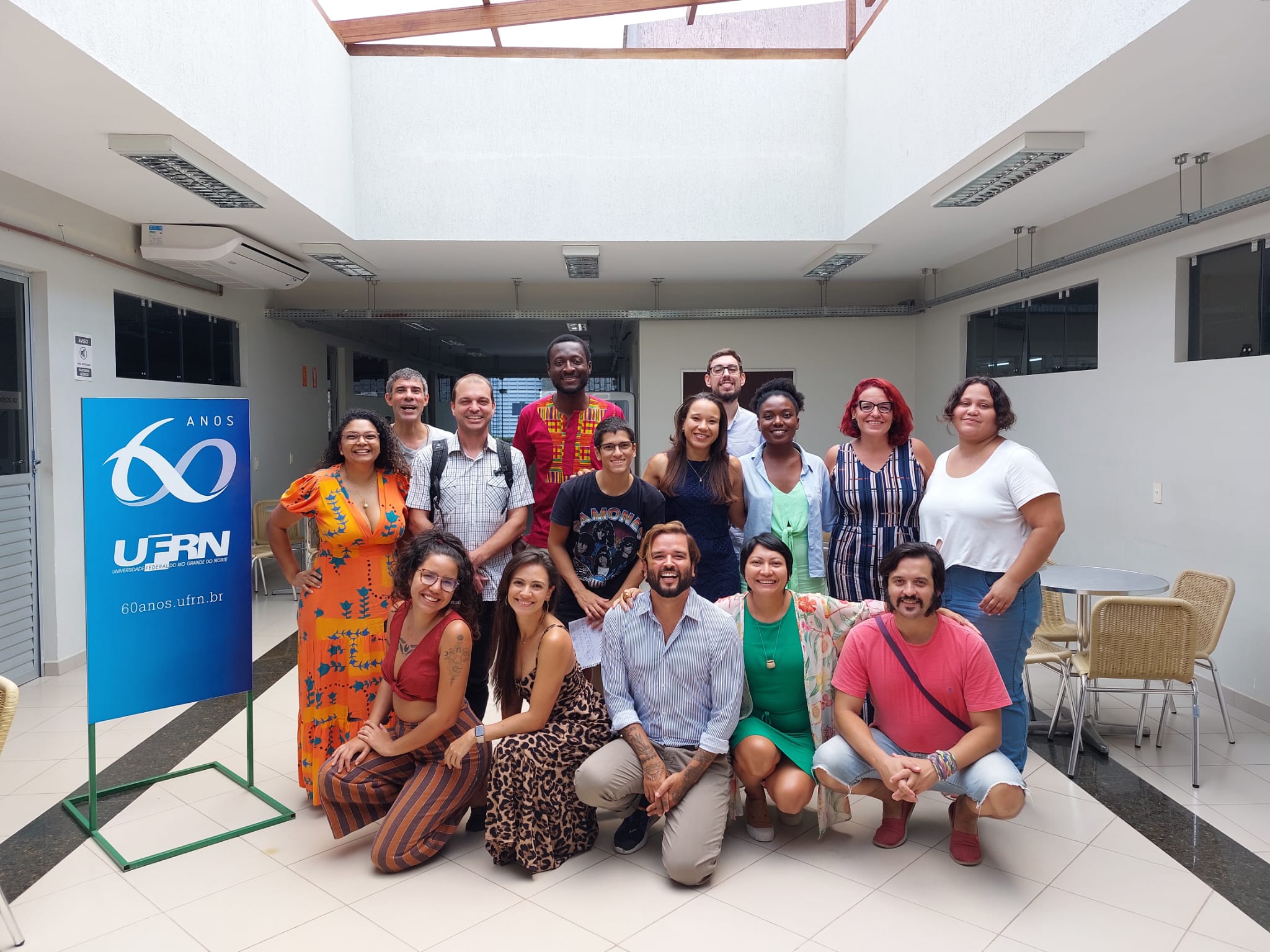
While I hadn’t plan for this directional turn of our discussion for the workshop, I was very pleased that we ended up there and that in the liminal space of a workshop session we could share, exchange and challenge ourselves as researchers to contribute to the positive possibilities of worldmaking in society and in academia.
 Emmanuel Akwasi Adu-Ampong