After two days of intensive teaching we headed out in the early hours of last Wednesday for another 2 days of intensive fieldwork in Recife and Olinda + 1 day in Natal afterwards. A largely enjoyable 4 hour road trip on highway BR-101 brought us to the old centre of Recife. I learned that highway BR-101 is the longest in the country crossing 12 states and snaking it’s way along the coast from Rio Grande do Norte to Rio Grande do Sul. I found it impressive and wished that there was such a GH-101 highway system in Ghana even between Accra (capital city) and Kumasi (second biggest city). Anyway, I digress….
We got to Recife in good spirit with a group of 9 students and were joined by the tenth student who lives in Recife and helped to set up the fieldwork itinerary. This was my first time undertaking research fieldwork as part of a group so there was a lot of learning to be done. I’m glad I got to experience this adventure even though it was a packed itinerary and we even had to skip on 2 activities. A highlight of the fieldwork and then some quick reflections…
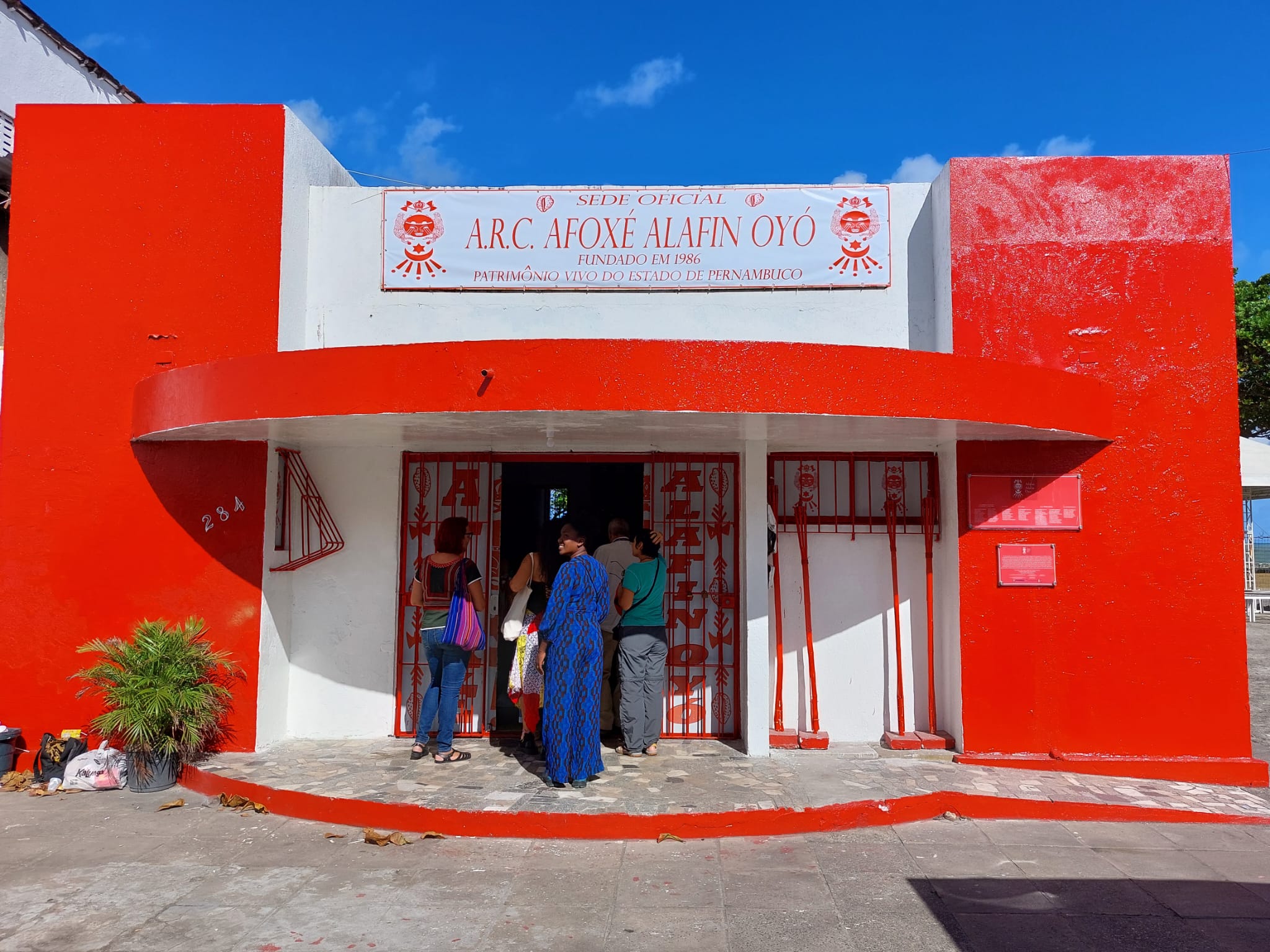
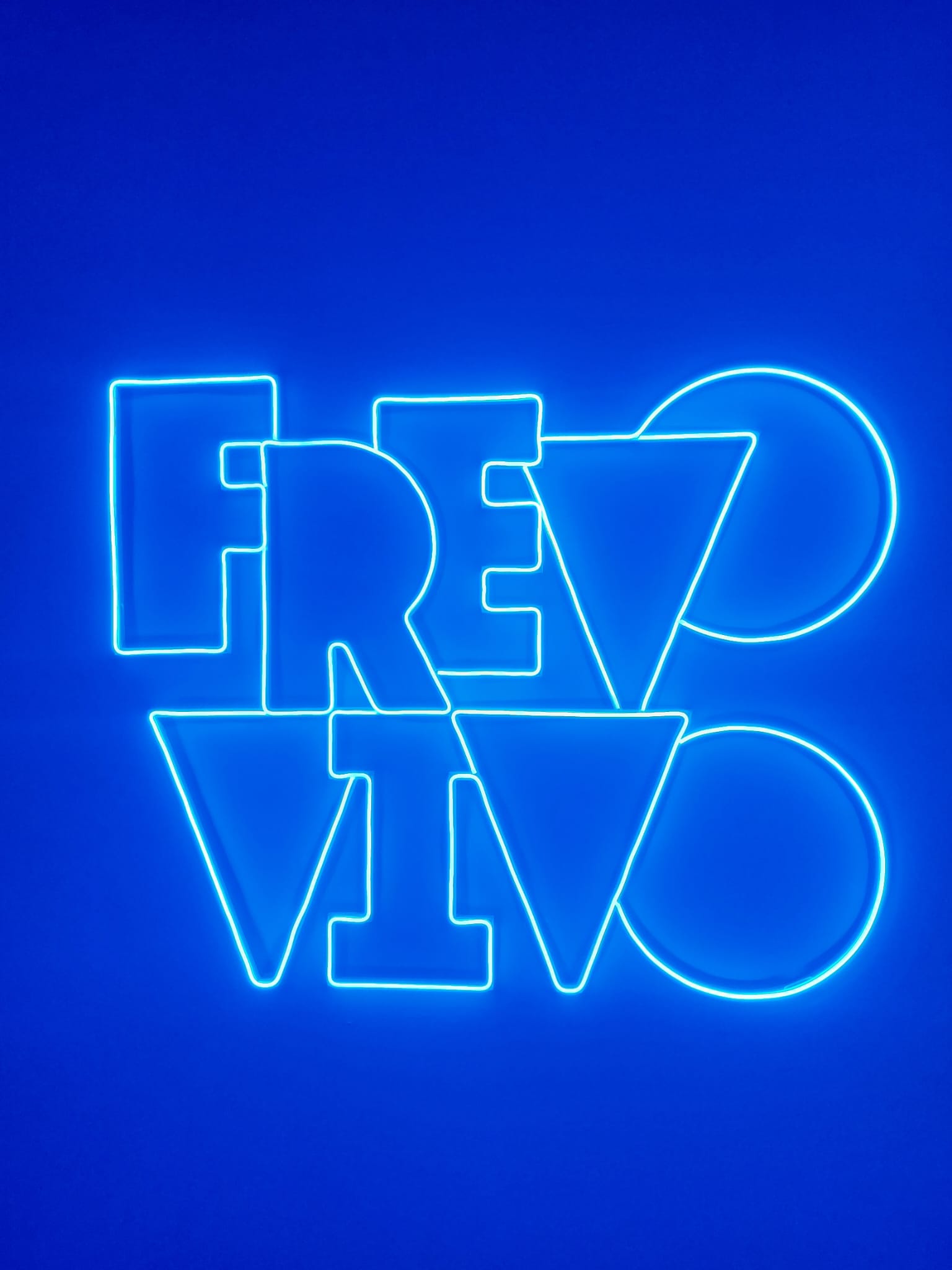
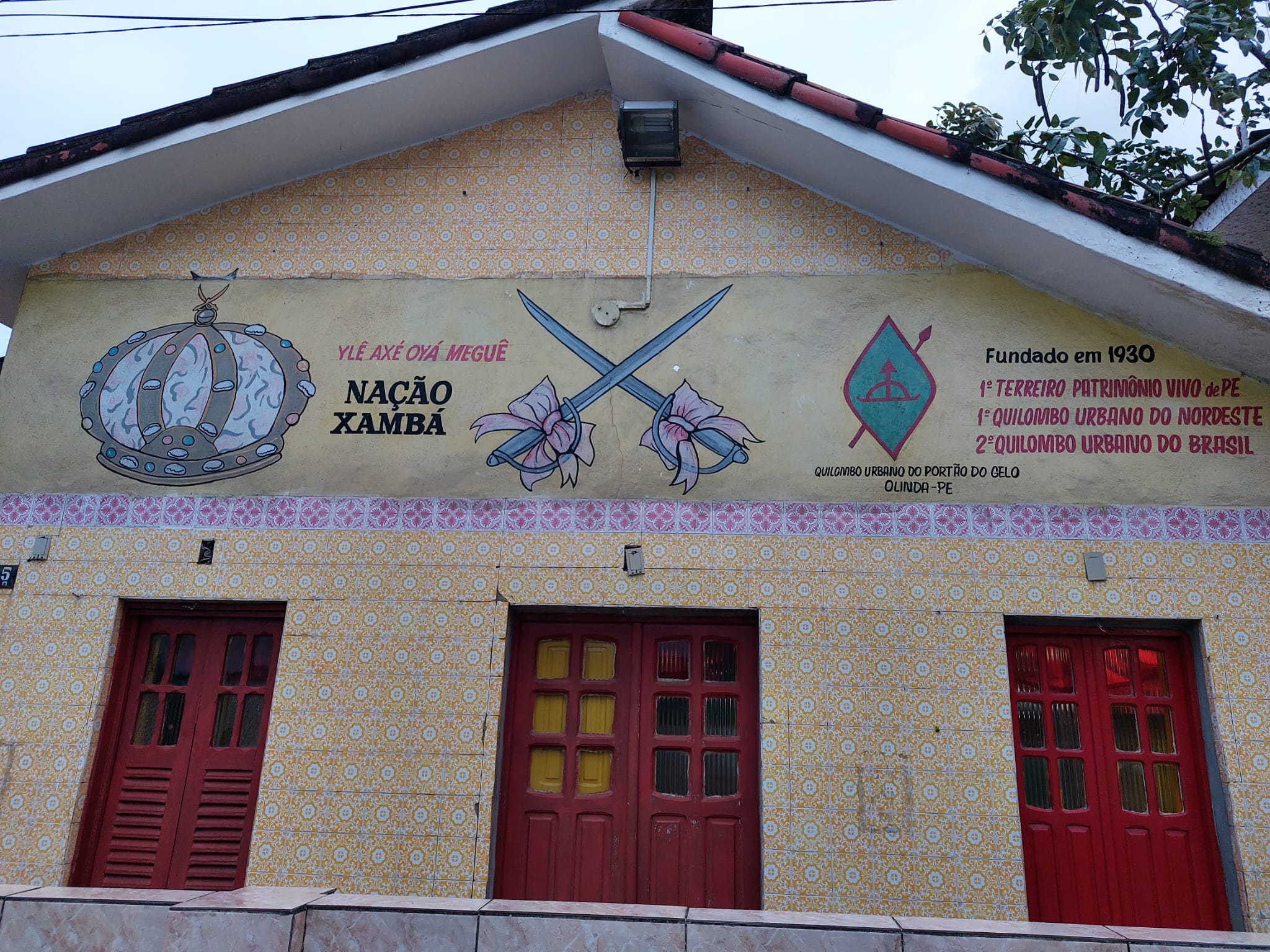
Day 1– Frevo Museum tour in Recife followed by guided walking tour of old city centre; delicious lunch at local eatery; quick tour of Forte de Säo Francisco in Olinda; visit and group interview conversations at Afro-Brazilian centre A.R.C Afoxé Alafin Oyó in Olinda; visit and group interview conversations at the Nação Xamba (Xamba Nation) which is a Quilombo Urban do Portáo do Gelo Olinda-Pernambuco: the 1st Terreiro Património Vivo de Pernambuco (1st Living Heritage of Pernambuco), the 1st Quilombo Urbano do Nordeste (1st Urban Quilombo Group in North-East) and the 2nd Quilombo Urbano do Brasil (2nd Urban Quilombo Group in Brazil); then it was back on the road to our Pousada hotel in Olinda after 7pm and a late evening hunt for dinner in the old city centre of Olinda.
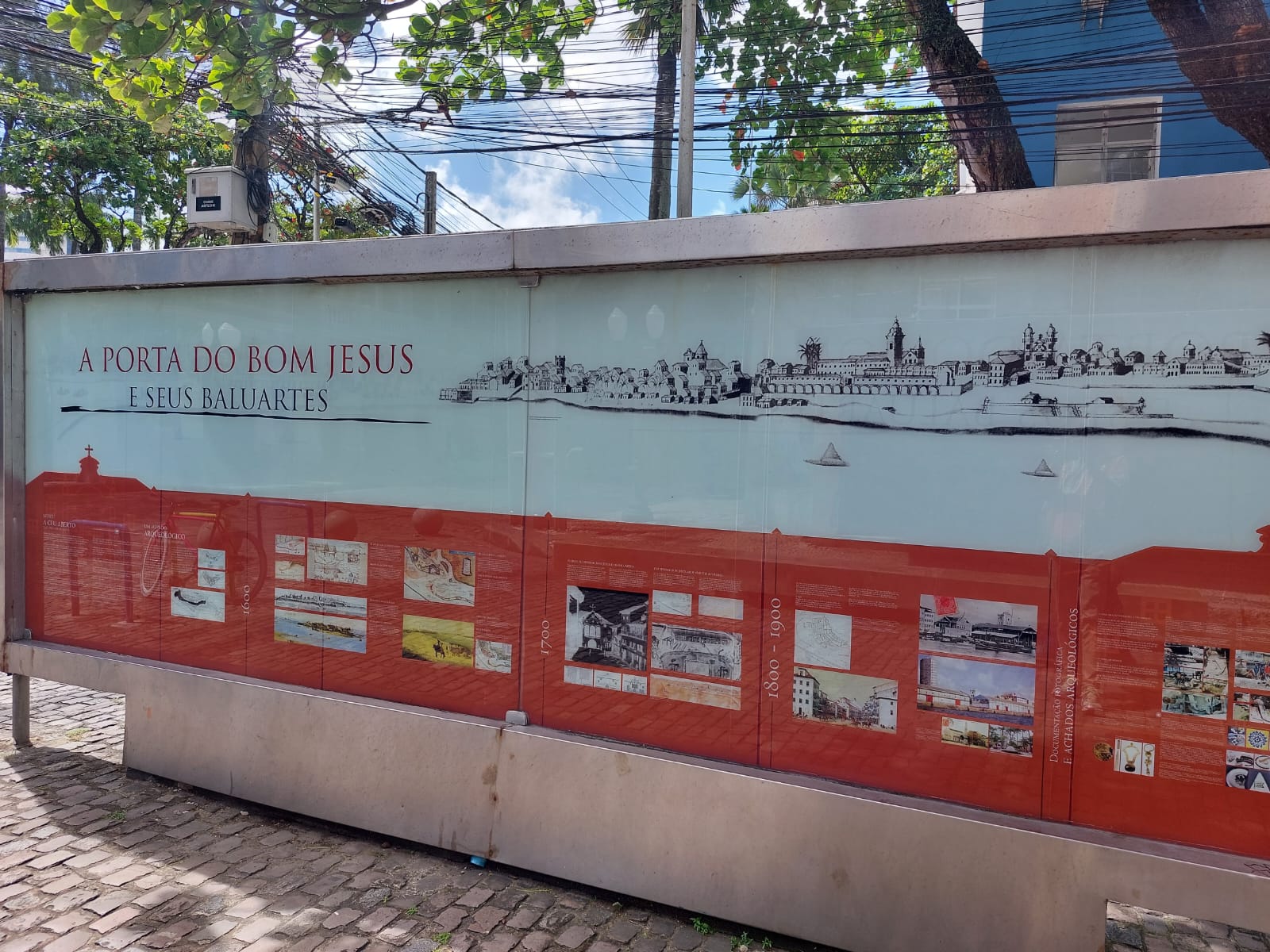
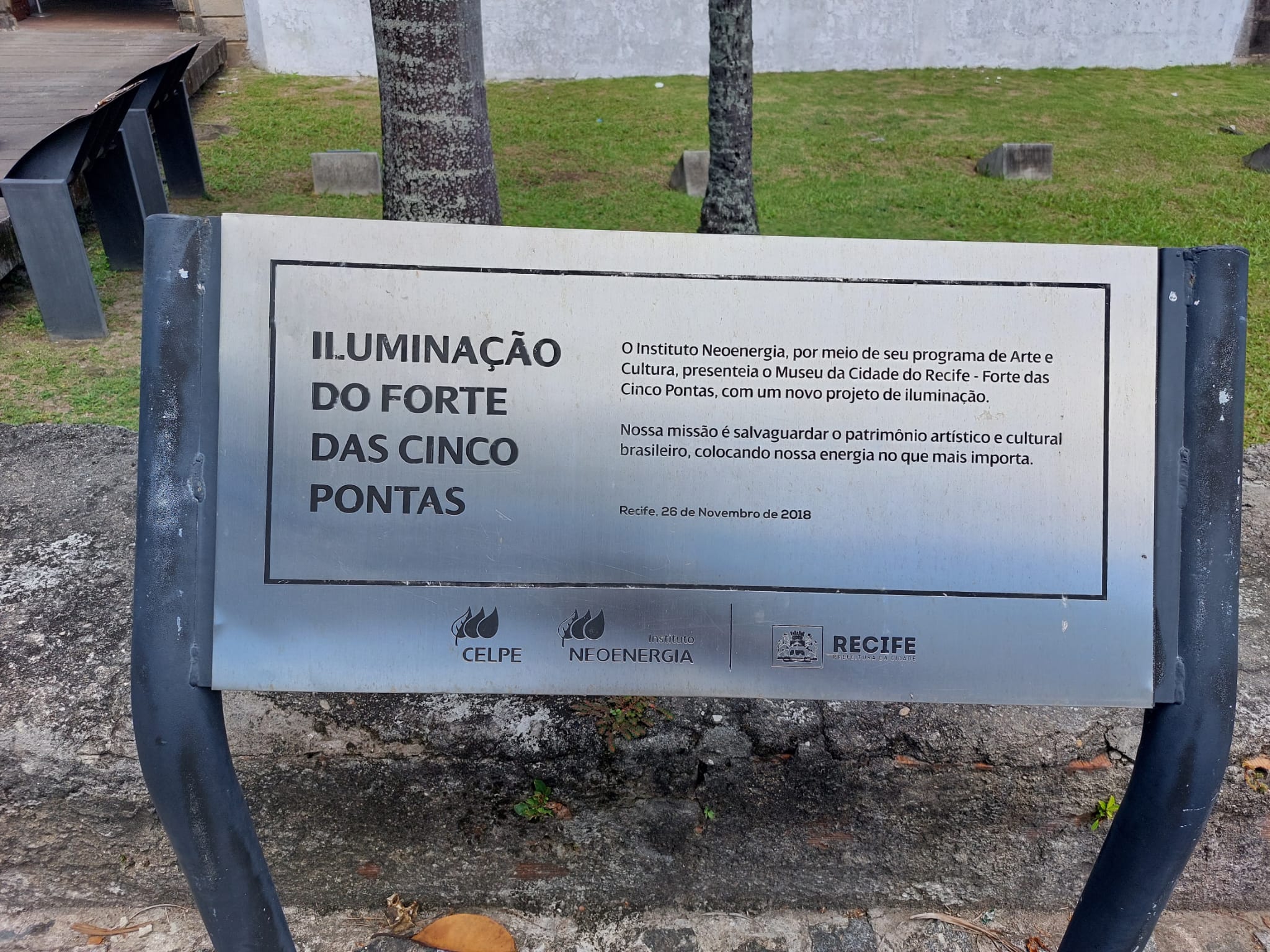
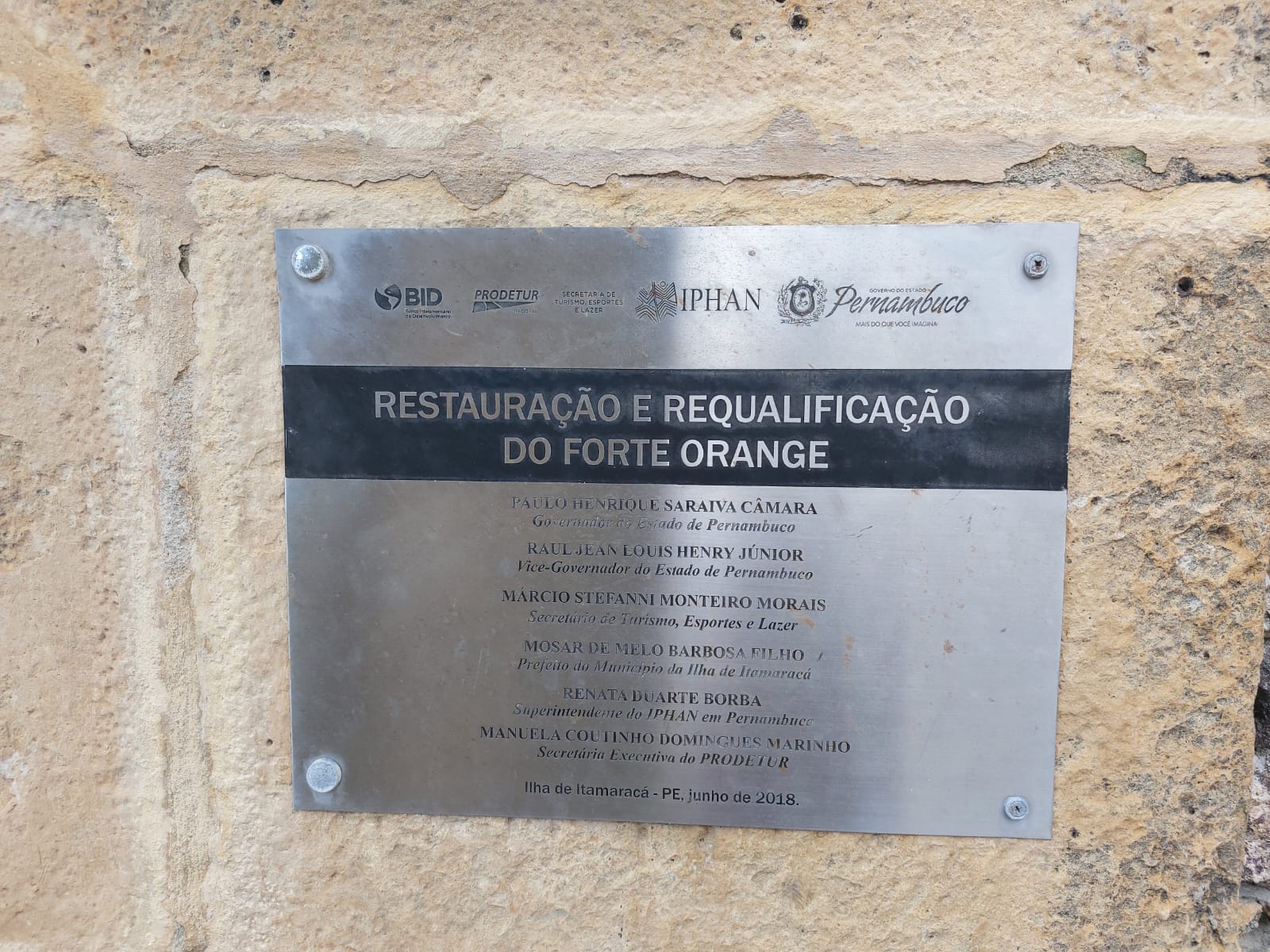
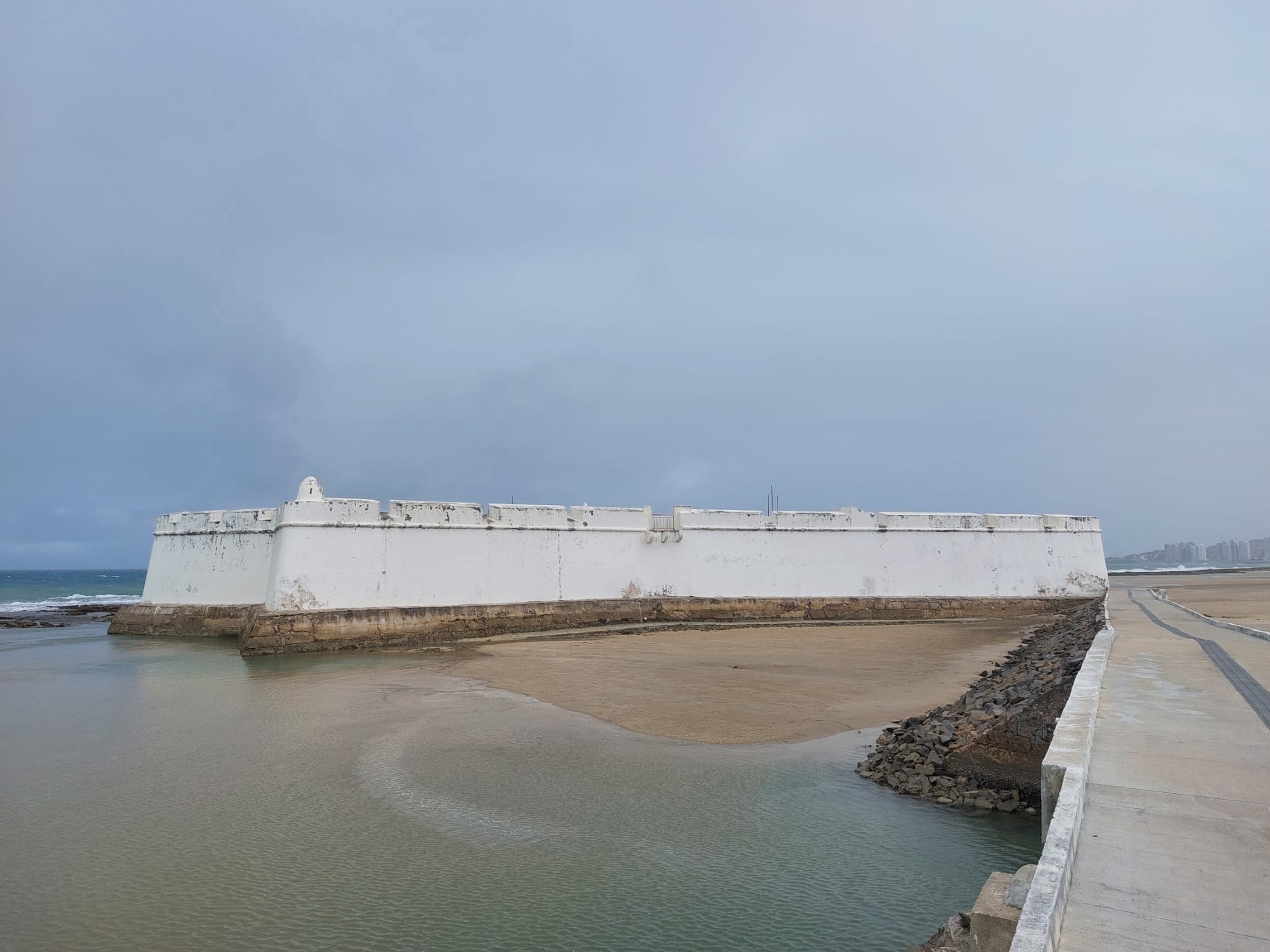
Day 2 – Guided walking tour of old city centre of Olinda; check out of our Pousada and hitting the road to Recife; a tour of Forte das Cinco Pontas (Fort of the five points); road trip to Forte Orange (Fort Orange) in Itamaracá and then onward return road trip to Natal.

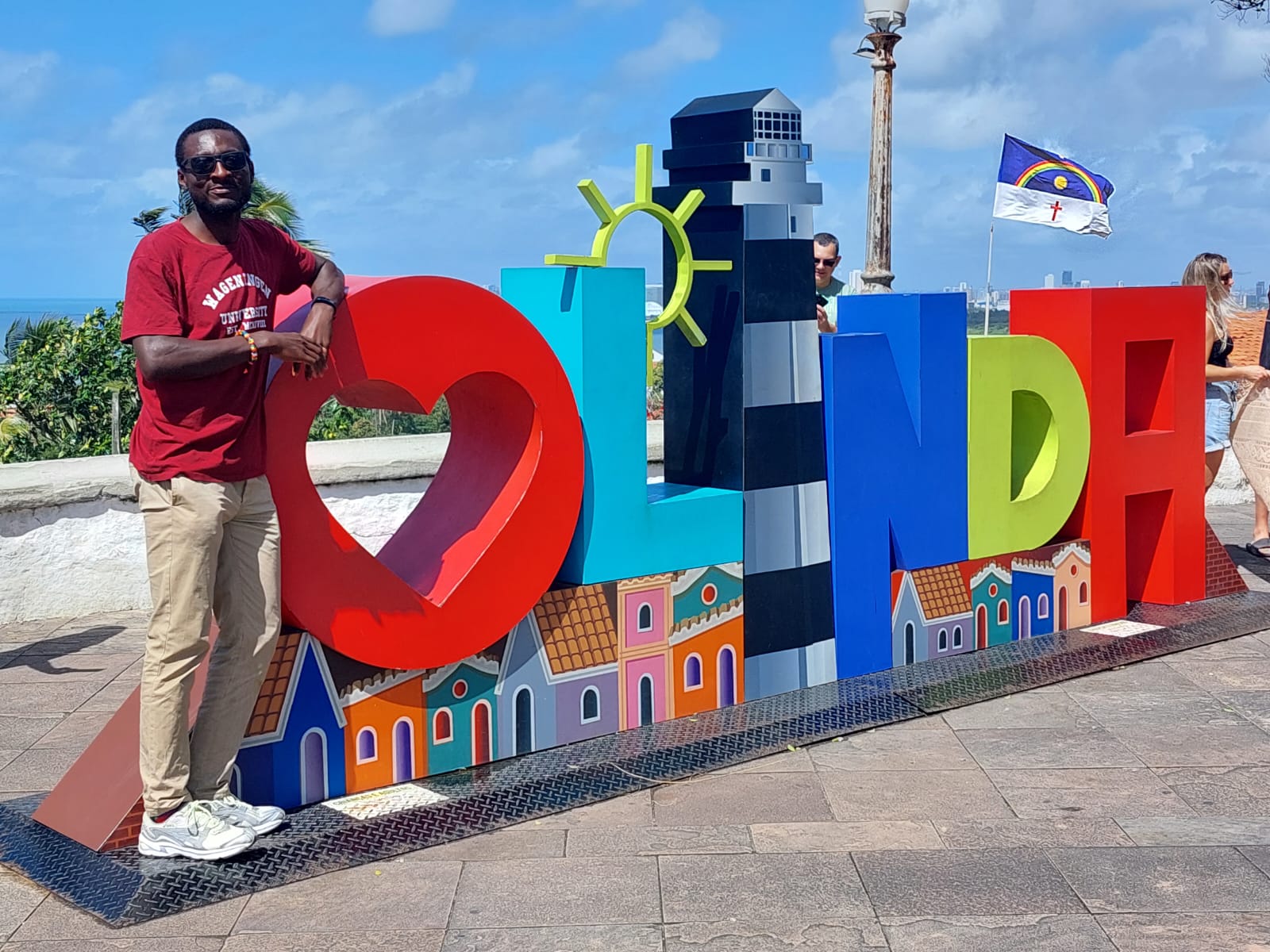
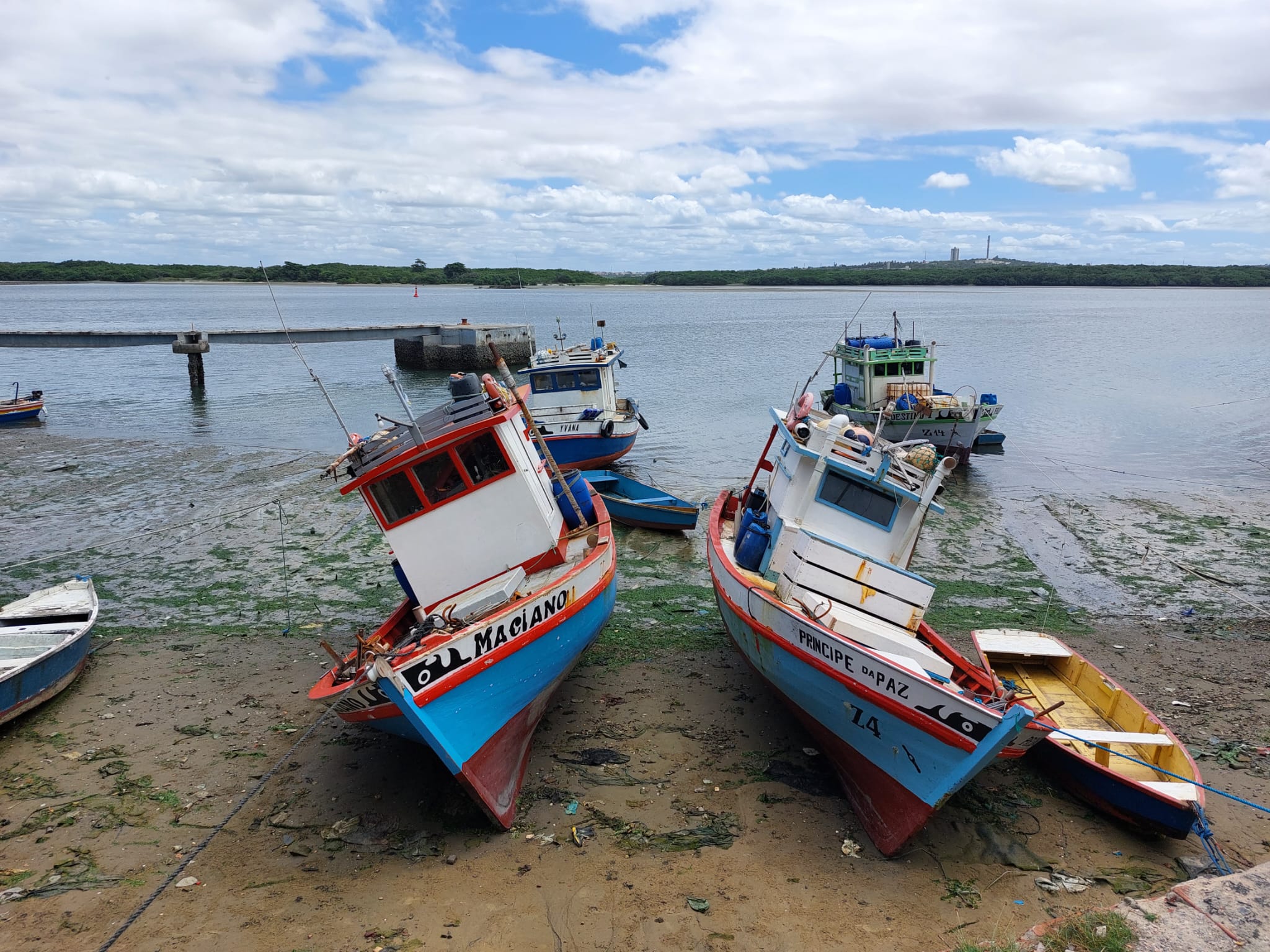
Day 3 – Guided walking tour of old city centre; visit to the Instituto Histórico e Geográfico (Institute of History and Geography); walking tour of the fishing harbour area and lunch at the best local fish restaurant; short trip to and guided walking tour of Forte dos Reis Magos (Fort of the Magi or Fort of the Three Kings or Fort of the Three Wise Men – pick your choice).

Reflections on learning:
- Doing fieldwork as a group: It was a pretty nice experience to learn how to do fieldwork as a team. I’ve become so used to solo fieldwork that I forgot how enriching it is to have others asking different questions and then being able to further discuss arising issues as you go along with the fieldwork. This is a learning point for me and one that I hope to be able to implement in future research – it can be as simple as even going along with your MSc student on their fieldwork visit or doing an interview together with others.
- Doing fieldwork through the words of another person: given my non-existent Portuguese, I had to rely on others for translations most of the time. Of course there were some places where there were English text on display for me to read but most of the guided walking tours were in Portuguese. It felt like a crash-course in learning Brazilian Portuguese and being there in person afforded me the opportunity to gain meaning and understanding of the context. Sometimes, I could pick up the bigger picture of what was being said and then I could fill in the smaller picture with the help of translators. This meant that I had to ask my questions through the translator(s) as well.
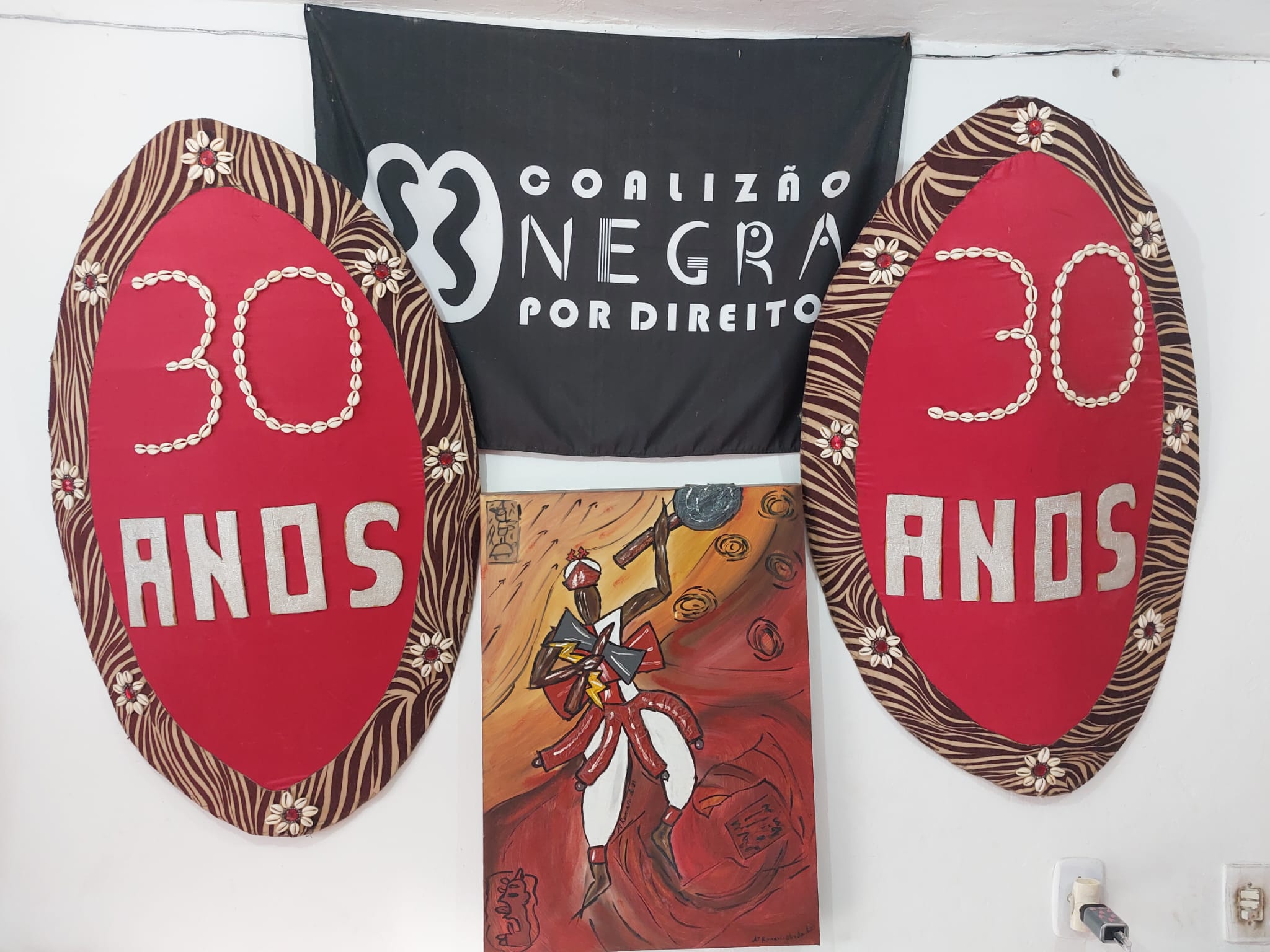
- Insider-Outsider in the fieldwork encounter: you can already read my co-author piece on this insider-outsider conundrum in the fieldwork encounter (let me know if you need a pdf copy). On this fieldwork, I did feel like I was a total outsider with little fluidity to being an insider. The most obvious of my outsider status being my non-Portuguese self. This was a new field for me and I had to learn and understand how ‘things work’ both in research and in terms of interpersonal relations. It was however on our visit to the Afro-Brazilian centre A.R.C Afoxé Alafin Oyó in Olinda that I felt a bit more fluidity towards a sort of insider status stemming from my Ghanaian roots. For their 2023 Carnival, this group had made an illustration of Yaa Asantewaa in one of their T-shirts and they brought a copy out to show me. I was asked questions about our shared (s)hero of Yaa Asantewaa and what she stood/fought for. They also had an the Adinkra symbol (in unity lies strength) in one of the banners. This is the same Adinkra symbol we have for our Adamfo Ghana Foundation so it was an opportunity to make myself a sort of an insider as I explained about the range of Adinkra symbols we have in Ghana.
- Fieldwork is hard hard hard work: on many levels be it physical, emotional, psychological, mental, linguistically etc, fieldwork is hard work.
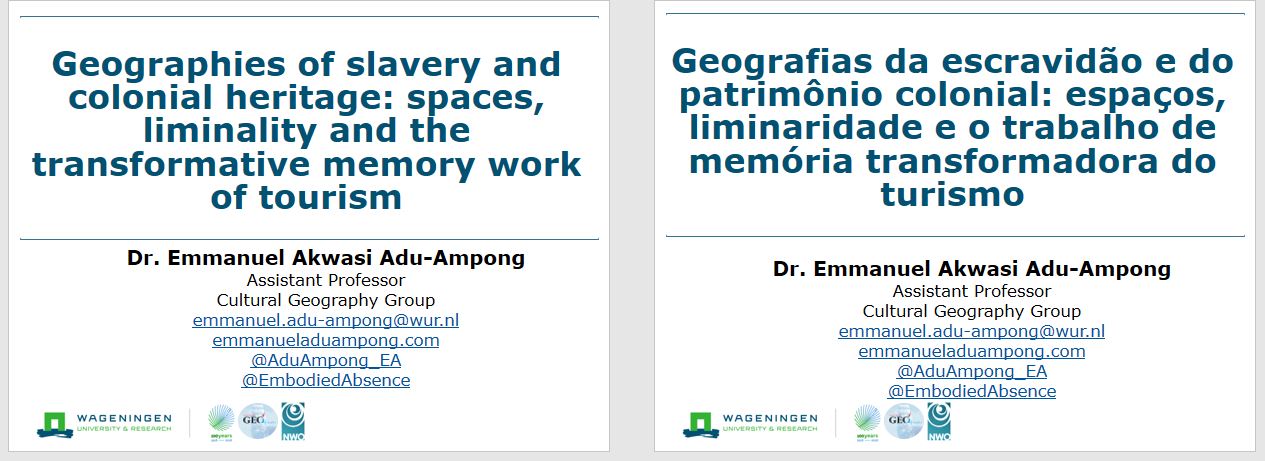
So that’s that for a quick short reflection. Next up is my keynote address which starts in about 2 hours’ time…wish me luck 😊
 Emmanuel Akwasi Adu-Ampong
Pingback: Wageningen: my guided walking tour of the traces of the slavery and colonial past | Emmanuel Akwasi Adu-Ampong